Choosing a vital signs monitor in 2026 means matching the device to the patient, setting, and care team—not simply chasing the newest screen. A bedside unit may track ECG, oxygen saturation, blood pressure, and temperature continuously. A compact spot-check monitor may suit routine rounds, while a wearable device can support mobility and remote observation. Each type answers a different clinical need.
Patient-safety expert Dr. Peter Pronovost has said, “The secret to patient safety is to design systems that make it easy for people to do the right thing and hard for people to do the wrong thing.” That principle matters when alarms compete for attention, cuffs need correct sizing, and staff must move readings into clinical records. More data is not automatically better. A monitor’s value depends on accurate measurements, clear alerts, reliable connectivity, and staff who know its limits.
The sections ahead compare bedside, transport, wearable, and spot-check monitors, then examine their sensors, users, and common trade-offs. A fingertip sensor can slip during movement; a blood-pressure cuff can feel tight; wireless signals can drop. Small details matter. Product specifications also need careful reading, since listed capabilities may vary by model and configuration. No single device fits every ward or home. That is the useful, slightly inconvenient truth: selection takes context, not a universal ranking.
What Are the Top Vital Signs Monitor Types in 2026?
What Vital Signs Monitors Measure and How They Work
Vital signs monitors track measurements that help describe how the body is functioning. Common readings include blood pressure, pulse rate, breathing rate, temperature, and blood oxygen saturation. Some bedside systems also display an electrocardiogram, or ECG, which records the heart’s electrical activity. Spot-check devices take readings at intervals; continuous monitors follow selected measurements over time. Wearable monitors can support longer-term tracking, but they do not replace clinical assessment.
Each measurement uses a different method. An inflatable cuff estimates blood pressure by sensing changes in blood flow as it deflates. A pulse oximeter shines light through a fingertip to estimate oxygen saturation and pulse. Temperature sensors detect heat, while ECG electrodes pick up electrical signals from the skin. These tools are useful, not infallible. Movement, cold hands, a loose cuff, or poor sensor contact can distort a reading. A precise-looking number can still be misleading.
Tips: Keep still during a measurement, and follow the device’s placement instructions. Warm cold fingers before checking oxygen levels. If a result seems unusual, repeat it after a short rest and note symptoms. Don’t rely on one number alone; trends and clinical context matter. I’d be cautious about treating home readings as a diagnosis.
Typical core measurement outputs by monitor type. Counts are illustrative, based on common configurations; available features vary by device and setup.
How they work: ECG monitors detect the heart’s electrical activity; pulse oximeters use light to estimate oxygen saturation and pulse rate; automated blood pressure monitors use an inflatable cuff; and multiparameter or spot-check monitors combine several measurement methods. Temperature and breathing measurements depend on the sensors and configuration used.
In 2026, the most widely used monitor types remain multiparameter bedside units, spot-check devices, ambulatory blood pressure monitors, pulse oximeters, and wearable remote monitors. Hospitals rely on bedside units to track several readings continuously, such as heart rate, oxygen saturation, and blood pressure. Clinics often choose portable spot-check models for quick observations. Grand View Research estimated the global patient-monitoring devices market at US$49.7 billion in 2023, with projected growth through 2030. That forecast signals expanding adoption, though it does not show which device type leads in every setting.
Blood pressure monitoring is especially relevant outside hospitals. The WHO’s 2023 Global Report on Hypertension estimates that 1.28 billion adults aged 30–79 have hypertension worldwide. Ambulatory monitors record readings across daily routines, while home cuffs support repeat checks. Pulse oximeters provide a quick oxygen-saturation reading, but movement, cold fingers, or poor circulation can affect results. Wearables can help follow trends; they should not replace clinical assessment. The distinction is easy to miss.
Tips: Match the monitor to the task. Check cuff fit, sensor placement, and the device’s instructions. Record readings with the time and symptoms. One reading rarely tells the whole story.
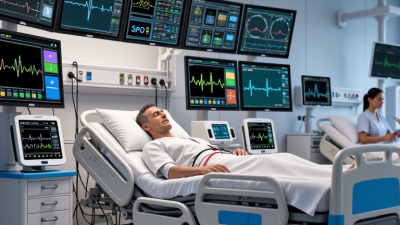
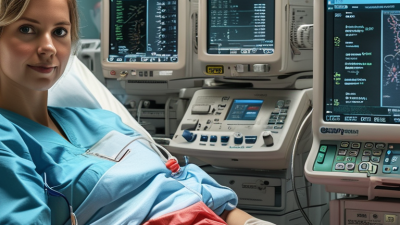
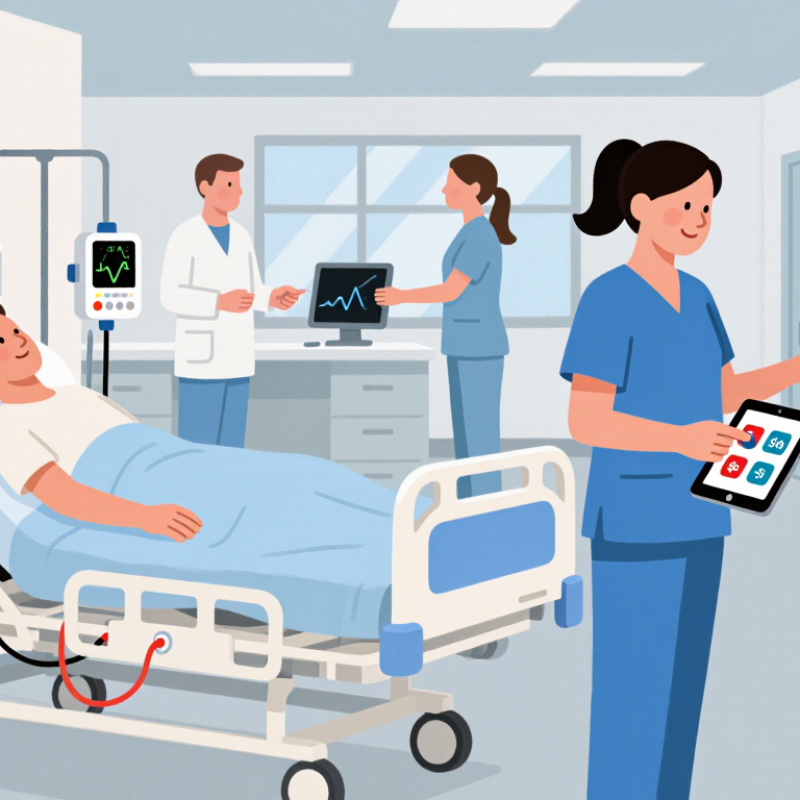
Bedside monitors are designed for continuous observation in hospitals and other supervised care settings. A screen near the patient can display heart rate, oxygen saturation, blood pressure, and, when needed, breathing or temperature data. Alarms alert staff to changes, but motion, loose sensors, and poor circulation can distort readings. The numbers need context.
Portable monitors are smaller and travel with patients during transfers or short-term monitoring. Some measure a focused set of vital signs; others support several measurements, depending on the model and care setting. Their mobility is useful in corridors or clinics, though readings may be less continuous than bedside monitoring. Battery checks and correct sensor placement matter.
Wearable monitors sit on the body, often using a wrist, finger, or chest sensor. They can track selected signals over longer periods, including during everyday movement. Convenient, but not complete. Sweat, motion, fit, and skin contact can affect results, and consumer wearables may not measure the same parameters as clinical devices. A wearable reading should not replace professional assessment when symptoms are concerning. In practice, the right type depends on whether care requires continuous alarms, movement between locations, or longer-term tracking; no format is automatically best.
Specialized vital signs monitors are designed around the needs of particular patients, not just a list of measurements. A neonatal monitor, for example, uses sensors suited to a newborn’s small body and delicate skin. It may track heart rate, breathing, oxygen saturation, and temperature. Sensor fit matters. A loose probe can produce confusing readings, even when the display looks precise.
During labor, fetal monitors track the baby’s heart rate alongside uterine contractions. Clinicians interpret these patterns together; a single number rarely tells the whole story. In intensive care, monitors may also display continuous blood pressure or carbon dioxide measurements. These tools help teams notice changes quickly, but alarms can be affected by movement, poor sensor contact, or other factors.
For people managing chronic conditions at home, portable monitors can record blood pressure, oxygen levels, or heart rhythm over time. Trends may help a care team review symptoms between appointments. However, a home reading is not a diagnosis, and devices differ in what they measure. Older adults may benefit from clear displays and simple controls, though one design will not suit everyone. The right monitor depends on the patient, the care setting, and how the readings will be used.
| Monitor Type | Typical Patient Group or Setting | Commonly Monitored Parameters | Specialized Features | Typical Use |
|---|---|---|---|---|
| Multi-Parameter Bedside Monitor | Hospital inpatients, including patients in emergency and critical-care settings | Depending on configuration: ECG, heart rate, oxygen saturation (SpO₂), respiratory rate, non-invasive blood pressure, and temperature | Continuous displays, configurable alarm limits, and options for invasive blood pressure or carbon dioxide monitoring | Ongoing observation of patients whose condition may change or who need several vital signs tracked at once |
| Neonatal Monitor | Newborns, particularly premature or critically ill infants in neonatal care | Commonly ECG or heart rate, SpO₂, respiratory rate, and temperature; blood pressure may also be monitored | Neonatal-sized sensors and cuffs, adjustable alarm settings, and support for monitoring small patients | Monitoring infants who need close observation in a neonatal unit or during transfer |
| Maternal-Fetal Monitor | People in labor and the fetus during pregnancy or childbirth | Fetal heart rate and uterine contractions; some systems also record maternal pulse and blood pressure | Separate channels and transducers for fetal heart-rate and contraction measurements | Assessing fetal heart-rate patterns and uterine activity during labor, as clinically indicated |
| Ambulatory ECG Monitor | People being evaluated for intermittent heart-rhythm symptoms outside a hospital | ECG and heart rhythm over an extended recording period | Portable recording with wearable electrodes; recording duration and event-marking options vary by device | Capturing rhythm changes that may not occur during a brief ECG examination |
| Pulse Oximeter | Adults and children in clinical, home-care, or transport settings, with appropriate sensors | Oxygen saturation (SpO₂) and pulse rate | Clip or wrap sensors in different sizes; some devices provide trend displays or alarms | Non-invasive spot checks or ongoing tracking of oxygen saturation and pulse |
| Capnography Monitor | Patients receiving anesthesia, procedural sedation, or respiratory support, and selected acute-care patients | Exhaled carbon dioxide, commonly displayed as a waveform and end-tidal carbon dioxide (EtCO₂); respiratory rate may also be shown | Airway sampling through a breathing circuit or, in some settings, a nasal sampling line | Assessing ventilation and observing changes in exhaled carbon dioxide |
| Ambulatory Blood Pressure Monitor | People undergoing assessment of blood pressure outside the clinic | Repeated blood-pressure readings, typically including systolic and diastolic pressure | Wearable cuff and recorder programmed to take readings at set intervals | Evaluating blood-pressure patterns across daily activities and sleep under clinical guidance |
| Transport Monitor | Patients moved within or between care settings, including emergency transport | Configuration-dependent ECG, SpO₂, blood pressure, and sometimes respiratory or carbon-dioxide measurements | Portable construction, battery operation, and mounts or accessories suited to transport | Continuing selected monitoring during patient movement |
| Wearable Continuous Monitoring Device | Selected patients in hospital-at-home programs, general wards, or outpatient monitoring programs | Depending on the device: heart rate, SpO₂, respiratory rate, or temperature | Body-worn sensors may transmit readings to a receiver or monitoring platform; measured parameters vary by device | Supporting remote or continuous observation when a care team determines it is appropriate |
Note: Available parameters and intended uses vary by device and care setting. Monitor readings support clinical assessment and should be interpreted alongside the patient’s condition and applicable care protocols.
In 2026, match the monitor to how often a patient needs assessment and how quickly staff must respond. A clinic room may need a spot-check device for blood pressure, pulse, temperature, and oxygen saturation. The CDC’s 2022 National Hospital Ambulatory Medical Care Survey estimated 155 million emergency department visits. In busy, high-turnover settings, portable monitors make repeat checks easier. Fast turnover matters.
For unstable patients, bedside multiparameter monitors provide continuous readings, often including ECG, oxygen saturation, and respiratory rate. On general wards, telemetry can track heart rhythm while allowing patients to move around. But rhythm monitoring does not replace routine bedside observations. For transfers, a transport monitor should keep essential measurements visible through corridors and elevators. Home care calls for simpler devices, readable displays, and clear instructions.
The WHO’s 2024 Global Patient Safety Report estimates that about one in ten patients experiences harm in health care. Monitor choice alone cannot prevent that, but alarms, staff training, and sensible escalation procedures matter. Fit the device to the workflow, too: a complex screen can slow checks when staff are stretched. The boundary between “enough monitoring” and unnecessary alarms is not always tidy. Reassess the choice when a patient’s condition or care setting changes.