What Types of Vitals Monitors Are Best for Hospitals?
Choosing a vitals monitor is not a simple brand comparison. Hospitals care for patients with different risks, from stable ward patients needing periodic checks to intensive-care patients requiring continuous observation. The right choice depends on clinical needs, staffing, room layout, and how quickly teams can respond to changes. Small details matter. Can staff read the display from the doorway? Do sensors stay attached when a patient turns? Are alarms useful, or do they become background noise?
Safety-science expert James Reason wrote, “We cannot change the human condition, but we can change the conditions under which humans work.” His principle offers a useful lens for evaluating monitoring systems: technology should support clear, timely action, not add avoidable friction. Hospitals may compare bedside multiparameter monitors, wearable or telemetry systems, and spot-check devices. Each serves different situations. A continuous monitor may suit a high-acuity unit, while a portable device may help staff check patients across a general ward. Neither is automatically best.
This guide examines accuracy, alarm design, connectivity, ease of use, maintenance, and total cost. It also considers training and workflow, which purchasing teams can underestimate. A technically capable monitor can still disappoint if staff cannot use it confidently or data fail to reach the right clinical team. That is the uncomfortable part. Device specifications alone do not guarantee better care, and no monitor replaces clinical judgment. There is room for trade-offs, and hospitals should test those trade-offs in their own settings before choosing.

Vital Signs Monitors and the Measurements They Track
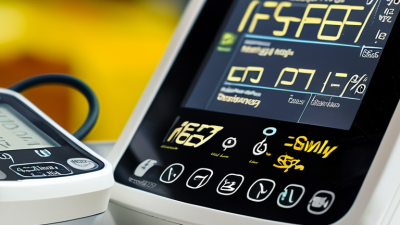
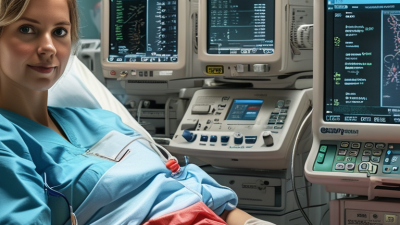
Hospital vital signs monitors bring several measurements into one bedside view, but the right combination depends on the patient and care setting. A basic setup commonly tracks heart rate, oxygen saturation, blood pressure, temperature, and respiratory rate. In practice, nurses may compare the displayed values with the patient’s appearance and symptoms, rather than treating every number as equally urgent.
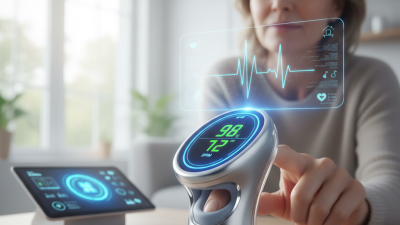
An electrocardiogram shows the heart’s electrical activity and can reveal rhythm changes. Pulse oximetry estimates blood oxygen levels through a sensor on a finger or other suitable site. Noninvasive blood pressure cuffs provide periodic readings, while temperature probes help identify fever or unexpected cooling. Some monitors also measure end-tidal carbon dioxide, which can help assess ventilation, especially during certain procedures or critical care. Small differences matter.
Each measurement has limits. Motion, cold hands, poor sensor contact, or an incorrectly sized cuff can produce misleading readings. A steady line on the screen is not the whole story. Clinicians should consider trends, measurement quality, and the patient’s condition together. Alarm settings also need thoughtful adjustment: overly sensitive alarms can create noise, while thresholds set too loosely may delay attention. I have seen how easy it is to focus on the display and miss a change at the bedside. The monitor supports observation; it does not replace it.
Main Types of Vital Signs Monitors Used in Hospitals
Main Types of Vital Signs Monitors Used in Hospitals
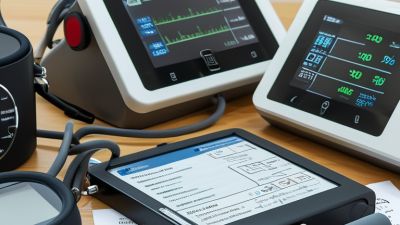
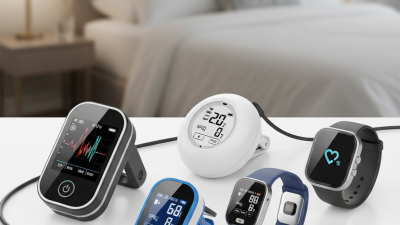
Hospitals commonly use bedside multiparameter monitors, telemetry systems, portable transport monitors, and spot-check devices. Bedside units continuously track measures such as heart rate, oxygen saturation, blood pressure, and breathing rate. Telemetry lets mobile patients remain monitored through wearable sensors and a central station. Transport monitors keep key readings visible during transfers between departments. Spot-check devices suit routine observations, but they cannot show every change between checks.
The right type depends on patient acuity, mobility, and care setting. A peer-reviewed ICU observational study by Drew and colleagues reported that 88.8% of more than 2.5 million alarms were nonactionable (PLOS ONE, 2014). That finding highlights a practical risk: more continuous data can also mean more noise. More data is not always better. Staff need suitable alarm limits, reliable sensor placement, and clear escalation procedures. A loose finger probe, for example, may produce readings that prompt unnecessary checks.
Tips: Match the monitor to the patient’s needs and movement. Confirm sensor contact when readings seem inconsistent, and review alarm settings during handovers. Portable units are useful, but battery life and signal interruptions deserve attention. Small details matter. Hospitals should also train staff to distinguish urgent alerts from artifacts; otherwise, even a capable monitor may be overlooked.
How to Compare Monitors by Accuracy and Clinical Needs
What Types of Vitals Monitors Are Best for Hospitals?
How to Compare Monitors by Accuracy and Clinical Needs
Hospitals use bedside multiparameter monitors, portable spot-check devices, and continuous wearable monitors for different clinical situations. The best choice depends on patient risk, care setting, and how often staff need readings. Accuracy is not a single number: results can vary with movement, poor circulation, sensor placement, or an incorrectly sized blood pressure cuff. Compare devices using clinically validated measurements and the hospital’s patient population. Check how readings are confirmed, maintained, and documented. Small details matter.
A monitor for continuous observation should provide dependable trends and clear alarms, while a portable device may need fast readings and easy cleaning. Review performance for each required measure, such as oxygen saturation, temperature, pulse, and blood pressure. Ask clinical staff and biomedical engineering teams to assess setup, alarm fatigue, data integration, and maintenance needs. Test devices in realistic workflows, not only in a quiet demonstration room. A comparison table helps, but it can miss the strain of a busy ward.
Tips: Match the monitor to the care area and patient needs. Verify cuff sizes and sensor fit. Check calibration and service records. Have staff try routine tasks, including responding to alarms. Reassess after implementation; the first choice may not suit every unit.
Choosing Monitor Types for Different Hospital Departments
What Types of Vitals Monitors Are Best for Hospitals?
Choosing Monitor Types for Different Hospital Departments
Choosing monitor types by department means matching measurements to clinical risk and workflow. In intensive care, multiparameter bedside monitors commonly track ECG, oxygen saturation, blood pressure, and temperature continuously. In emergency departments, portable monitors help staff follow patients between triage, imaging, and treatment bays. Operating rooms need ECG, oxygen saturation, blood pressure, and capnography, especially during anesthesia. General wards may use spot-check vital-sign devices for stable patients, while telemetry suits patients who need ongoing cardiac observation.
More data is not always better.
Alarm settings deserve equal attention. The Joint Commission’s 2013 Sentinel Event Alert reported 98 alarm-related sentinel events from 2009 through 2012, including 80 deaths. That report highlights the risk of poorly managed alarms, not a reason to avoid monitoring. Hospitals should set limits for each patient, review alarm trends, and train staff to respond consistently. Department needs vary, and local workflow can complicate even sensible choices.
Tips:
Before selecting a device, map where patients move and which measurements clinicians act on. Check battery life, cleaning needs, and whether readings transfer reliably to the medical record. Reassess after implementation; the first setup may not fit real practice.
Integration, Maintenance, and Safety Considerations for Hospital Monitors
Vitals monitors support continuous observation, but their value depends on safe integration with hospital workflows. Before procurement, confirm compatibility with bedside systems, central stations, and electronic health records. Check how alarms, patient identifiers, and time stamps transfer. A clean display is not enough. Poorly mapped data can create gaps or duplicate entries. Staff should test the full pathway with simulated cases before routine use.
Maintenance needs a clear schedule for inspections, calibration, battery checks, and cable replacement. Keep service records accessible, and label devices awaiting repair. During rounds, staff can check for cracked sensor housings, loose connectors, and unreadable screens. Small faults matter. Alarm settings also need review as patient needs change; default thresholds may not suit every care area. Busy teams can miss these checks unless responsibilities are assigned.
Tips: Test alarms at the bedside and central station, verify backup power, and train staff on each monitor model. Keep spare sensors nearby. Review false alarms with clinical teams; reducing noise must never hide a real deterioration. Some integration issues have no quick fix, so document workarounds and revisit them.