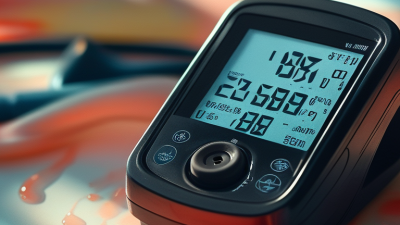
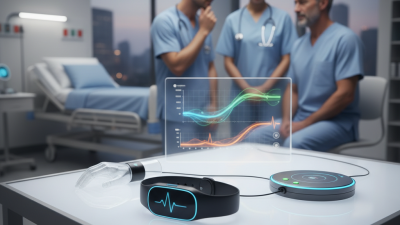
A finger oximeter is a crucial device in the monitoring of oxygen saturation levels in the blood. This small, non-invasive instrument has gained popularity for its efficiency and ease of use. According to a recent study by the Global Oximeter Market Research report, the demand for finger oximeters has surged by 30% over the past year. This reflects an increasing recognition of their importance in healthcare settings and home use.
Dr. Emily Chen, a leading expert in respiratory health, emphasizes, “Finger oximeters are essential tools that offer real-time insights into a patient’s oxygen levels.” This highlights the device's role in prompt medical responses. Despite their advantages, finger oximeters can sometimes yield inaccurate readings due to poor circulation or nail polish interference. Such challenges point to the need for thorough understanding and careful usage.
The rise of telehealth services further amplifies the importance of finger oximeters. Accurate readings can guide healthcare professionals remotely, offering necessary support during consultations. While the technology is advancing, continuous education on their limitations remains vital for effective use.
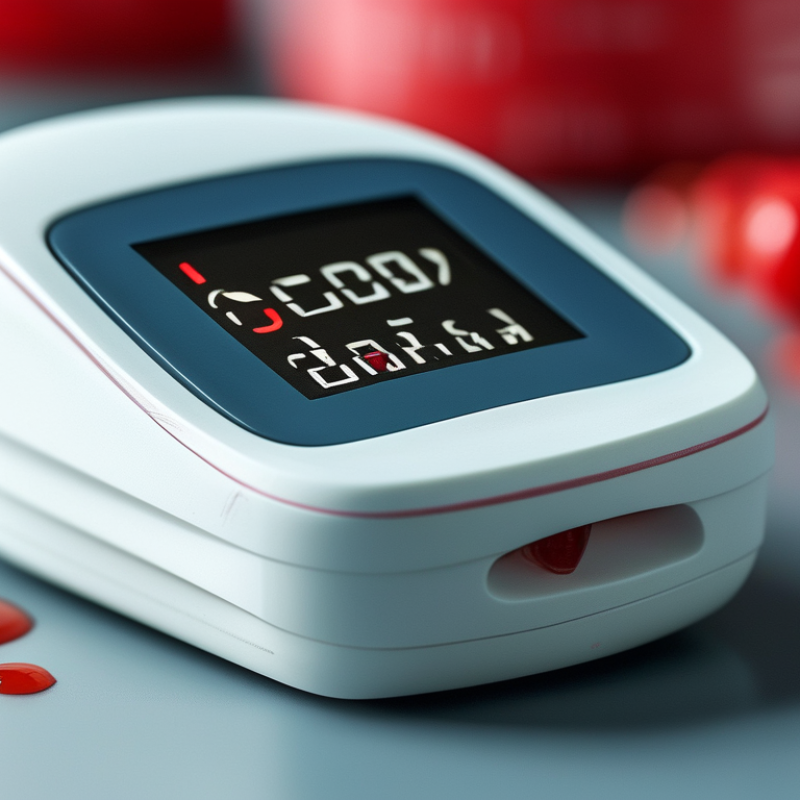
A finger oximeter is a small, non-invasive device used to measure oxygen saturation levels in the blood. This tool is crucial for monitoring respiratory conditions and assessing overall health. By simply placing your finger in the device, it can quickly gauge how well your blood is transporting oxygen. The purpose of the finger oximeter is to provide immediate feedback on a person’s respiratory status, especially in critical situations.
When using a finger oximeter, ensure your hands are warm. Cold fingers can lead to inaccurate readings. It's also important to keep the device clean. Dirty sensors may affect performance. Always follow the guidelines provided with the device for optimal use.
While finger oximeters are reliable, they are not infallible. Factors like nail polish or artificial nails can interfere with readings. If you notice inconsistent results, consider alternative methods. Regular checks and calibration of the device can enhance its accuracy. Being aware of its limitations can improve your understanding of the data it provides.
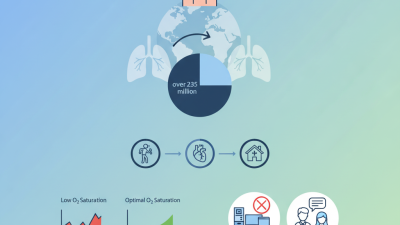
Pulse oximetry is a non-invasive method to measure oxygen saturation in the blood. By using light sensors, a finger oximeter detects how much oxygen is bound to hemoglobin. This measurement is crucial in various medical settings. Research shows that maintaining blood oxygen levels above 90% is essential for optimal organ function. Low levels can lead to serious complications.
The device works by emitting red and infrared light through the fingertip. Hemoglobin absorbs these light wavelengths differently based on whether it is oxygenated or deoxygenated. The oximeter calculates the ratio of absorbed light, determining the oxygen saturation level. According to a study published in the Journal of Clinical Monitoring and Computing, pulse oximetry has a sensitivity of about 90% in detecting hypoxemia. Yet, it is not infallible. Factors such as nail polish, poor circulation, or skin pigmentation can influence accuracy.
Despite advances in technology, challenges remain. Pulse oximeters can sometimes yield false readings, especially in patients with darker skin tones. A report by the FDA highlights this disparity, calling for improved accuracy across diverse populations. Clinicians are urged to use additional assessments when interpreting oximeter readings. The need for ongoing research emphasizes that while pulse oximetry is a valuable tool, it should not be the sole determinant of patient care.
Finger oximeters are essential devices in healthcare. They measure blood oxygen saturation and pulse rate. Understanding their key components is important for effective use. The main parts of these devices are sensors and displays.
The sensors in finger oximeters use light absorption principles. They emit light at different wavelengths to measure oxygen levels in the blood. When the light passes through the finger, it detects the amount of oxygenated and deoxygenated blood. This interaction is key to obtaining accurate readings.
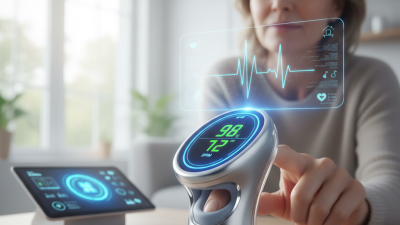
The display presents the results clearly. Most displays show blood oxygen saturation levels as a percentage and pulse rate in beats per minute. A good display should be easy to read, even in low light. Users need to ensure the device is placed correctly on their finger for accurate results.
It’s useful to keep the finger oximeter clean to ensure proper function. Regular calibration checks can also improve accuracy. If readings seem off, consider factors like movement or inadequate placement. Understanding your device’s limitations is vital for better self-monitoring.
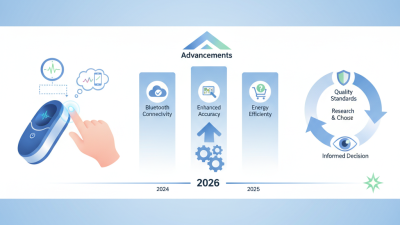
When selecting a finger oximeter, industry standards and accuracy are essential factors. A reliable oximeter should provide readings that are consistent and valid. Look for devices that comply with clinical guidelines established by health organizations. These guidelines ensure the technology meets specific performance requirements, enhancing reliability in various conditions.
Accuracy is crucial when monitoring oxygen saturation levels. A quality oximeter should measure within a specific range, typically ±2% of the actual value. Factors such as skin pigmentation, motion, and nail polish can affect readings. Regularly check the device's performance against trusted benchmarks. Users should reflect on their experiences, noting any discrepancies or anomalies in readings. This critical evaluation helps determine the device's worth over time.
Moreover, ease of use and visible display contribute to a good experience. A clear screen that shows real-time data is important. However, simplicity should not compromise robustness. Some users may encounter challenges with reading accuracy in certain environments. Consider these factors when evaluating your options. Continuous learning from personal experiences will enhance your understanding of finger oximeters.
Finger oximeters are essential tools in modern healthcare. They provide quick and accurate readings of blood oxygen saturation and pulse rate. These devices are compact and easy to use, making them perfect for both hospitals and home settings. In medical environments, they can detect oxygen deficiency in patients, allowing for timely interventions.
At home, finger oximeters offer peace of mind for individuals with respiratory conditions. Patients can monitor their oxygen levels conveniently. This empowers them to act quickly if readings drop below normal. Many users find confidence in tracking their health daily. However, relying solely on this device can lead to oversights. Regular consultations with healthcare professionals remain crucial.
In emergency situations, having a finger oximeter at hand can be life-saving. It provides immediate data that can inform necessary actions. Yet, incorrect usage or misinterpretation of readings can lead to anxiety or false security. It's important to seek guidance on proper usage. Balancing technology with professional advice is vital for effective health management.