Skip to content

Top 10 Remote Patient Monitoring Solutions for 2026?

The demand for remote patient monitoring solutions is rapidly increasing. A report by Markets and Markets estimates that the global telehealth market will reach $559.52 billion by 2027. This growth reflects the shift in healthcare delivery towards patient-centered models. With the advent of artificial intelligence and wearable technology, the landscape of monitoring solutions is evolving.

Telehealth is becoming integral, especially since the COVID-19 pandemic. According to a survey by McKinsey, 40% of patients now use telehealth services. The convenience of remote monitoring enhances patient engagement and compliance. However, some concerns remain about data privacy and technology accessibility. As the sector matures, solutions must address these issues.

In 2026, we expect innovative remote patient monitoring solutions to emerge, focused on improving outcomes. Vendors will need to balance effectiveness with security. The future holds promise, but challenges such as integration with existing systems still exist. Thus, a comprehensive review of the top solutions will help stakeholders navigate this evolving landscape.
Top 10 Remote Patient Monitoring Solutions for 2026?

Overview of Remote Patient Monitoring Solutions

Remote Patient Monitoring (RPM) is transforming healthcare delivery. By 2026, it's expected that the RPM market will reach $3 billion, growing at a compound annual growth rate (CAGR) of 25%. This is driven by the increasing need for chronic disease management and the demand for cost-effective healthcare solutions. Data indicates that nearly 70% of healthcare providers believe RPM enhances patient outcomes, providing vital insights into real-time health metrics.

The solutions available range from wearable devices to mobile applications. These technologies collect data on vital signs, enabling timely interventions. Studies show that using RPM can reduce hospital readmissions by up to 30%. Reports emphasize that while adoption rates are improving, challenges remain. Many patients express discomfort with technology, raising questions about usability. Ensuring user-friendly interfaces is essential. Additionally, interoperability among different systems is still a hurdle that needs addressing.

While RPM shows great promise, issues such as data privacy and security cannot be overlooked. A recent survey found that 50% of patients are concerned about how their health data is used. This reflects the need for stringent security measures to build trust. Ongoing education for both patients and healthcare providers is crucial to overcome these hurdles and maximize the potential of RPM technologies as we approach 2026.

Key Features to Look for in Remote Monitoring Systems

Remote patient monitoring (RPM) solutions are evolving rapidly. By 2026, the demand for such systems is projected to increase dramatically. Key features are essential for ensuring effectiveness in patient care. Integration with existing healthcare systems is crucial. This feature allows seamless data exchange, enhancing efficiency and reducing errors. A report from the HIMSS Analytics indicates that 70% of healthcare organizations prioritize system interoperability.

User-friendly interfaces also matter significantly. Healthcare providers must navigate rapidly changing data. RPM with intuitive designs can improve user experiences. In fact, a study by the Patient Experience Journal highlighted that 65% of users abandoned RPM tools due to complexity. Simple dashboards and straightforward navigational tools can mitigate this issue, encouraging better usage compliance.

Security features are non-negotiable. With sensitive patient data at stake, robust encryption and secure access protocols are essential. The Verizon Data Breach Investigations Report reported that healthcare is the most attacked sector, accounting for 79% of breaches in 2022. This underscores the need for solutions prioritizing data protection while enhancing patient trust and engagement. Balancing these aspects presents challenges but also opportunities for innovation in RPM solutions.

Top Ten Remote Patient Monitoring Solutions for 2026

Remote patient monitoring (RPM) is transforming healthcare. By 2026, we expect significant advancements in technology and usability. These solutions will empower patients and healthcare providers alike. The technology aims to improve chronic disease management, reduce hospital visits, and enhance patient engagement.

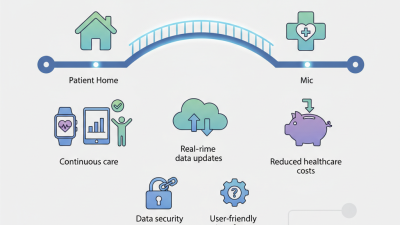
Innovative devices will likely feature user-friendly interfaces. Simple data capture methods, like wearables and mobile apps, will ensure accessibility for all age groups. RPM solutions should also focus on seamless data integration, ensuring that healthcare professionals receive real-time updates. This will foster timely interventions, potentially preventing complications. However, challenges remain in patient compliance and data security.

The ideal RPM solutions must empower patients while maintaining their privacy. Balancing convenience with security is difficult. Moreover, some patients need training to use these systems effectively. The evolution of RPM will require ongoing feedback from users to refine these tools. This two-way communication will help develop solutions that truly meet everyday healthcare needs.

Comparative Analysis of Leading Platforms in Remote Monitoring

Remote patient monitoring (RPM) is transforming healthcare delivery. The global RPM market is projected to reach $3.4 billion by 2026, according to a recent report by Allied Market Research. This growth reflects a rising demand for innovative healthcare solutions, driven by an aging population and increasing prevalence of chronic diseases.

In comparing the leading platforms, key factors emerge. Many systems excel in real-time data collection, offering insights into patient vitals like heart rate and glucose levels. However, interoperability remains a significant challenge. Some systems struggle to integrate with existing electronic health records. This can hinder data sharing between healthcare providers. A 2023 survey indicated that 65% of healthcare professionals see this as a barrier to RPM adoption.

User experience also varies widely among platforms. Some applications are lauded for intuitive interfaces, improving patient engagement. Conversely, others facing usability issues may lead to frustration, particularly amongst older patients. A deeper understanding of user needs is crucial. This can help developers refine their offerings and address concerns in a rapidly evolving landscape.

Future Trends in Remote Patient Monitoring Technologies

Remote patient monitoring (RPM) is evolving rapidly. By 2026, we can expect innovative technologies to transform the healthcare landscape. Wearable devices will play a central role, offering real-time data on patient vitals. These devices will empower patients, allowing them to manage their health proactively. They’ll track heart rates, glucose levels, and other crucial metrics. However, reliance on technology may also lead to data overload, complicating interpretation for patients and providers alike.

Artificial intelligence (AI) is set to enhance RPM significantly. AI can analyze vast amounts of health data quickly. It will identify patterns and predict health issues before they escalate. This predictive capability could improve patient outcomes and streamline care workflows. Yet, we must address the challenges of data privacy and security. Patients may be hesitant to share health information with AI-driven platforms. Trust and transparency will be essential for widespread acceptance.

Telehealth integration will also be a major trend. Virtual appointments will become the norm as patients seek convenience. Remote monitoring data will guide healthcare professionals, making these sessions more effective. Nevertheless, not all patients may feel comfortable with this method. Some may prefer traditional face-to-face interactions. Striking a balance between technology and human touch will be key to successful RPM adoption.

Top 10 Remote Patient Monitoring Solutions for 2026

Rank Solution Type Key Features Target Users Estimated Adoption Rate (%)
1 Wearable Devices Real-time monitoring, heart rate tracking, sleep analysis Chronic disease patients 70%
2 Mobile Health Apps Medication reminders, health tracking, teleconsultation General public 65%
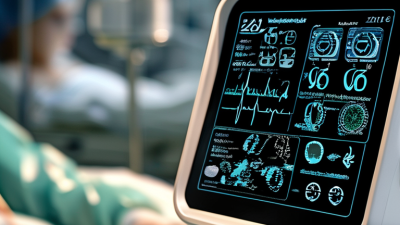
3 Remote ICU Monitoring 24/7 monitoring, data analytics, alert systems ICU patients 85%
4 Telehealth Services Video consultations, diagnosis, follow-up care All patients 75%
5 Smart Pill Bottles Adherence tracking, alerts, refill reminders Elderly patients 60%
6 Chronic Disease Management Platforms Data tracking, care coordination, patient education Diabetes and heart disease patients 72%
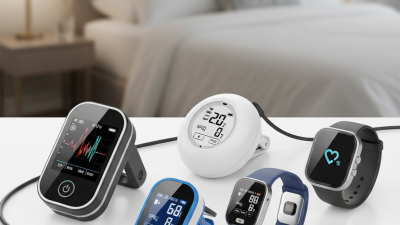
7 Home Diagnostic Tools Self-testing, health analytics, telemonitoring Homebound patients 68%
8 Integrated Care Platforms Patient portals, care team communication, workflow management Health systems 80%
9 Virtual Reality for Therapy Therapeutic applications, patient engagement Mental health patients 57%
10 AI-Powered Monitoring Systems Predictive analytics, automated alerts, personalized care All age groups 78%