The rise of technology has transformed healthcare significantly. One such advancement is the remote patient monitoring system. This innovative approach allows healthcare providers to track patients' health from a distance. It is especially beneficial for those managing chronic conditions.
Chronic care management requires continuous monitoring. The remote patient monitoring system enables healthcare professionals to collect real-time data. This data leads to more accurate assessments and timely interventions. These systems improve patient engagement, making individuals feel more connected to their care teams.
Despite the advantages, challenges remain. Not all patients are tech-savvy. Some may struggle with the technology or lack access to necessary devices. Healthcare providers must address these barriers. Trust and security also play vital roles in patient acceptance. As such, careful implementation is crucial for maximizing the benefits of remote patient monitoring systems.
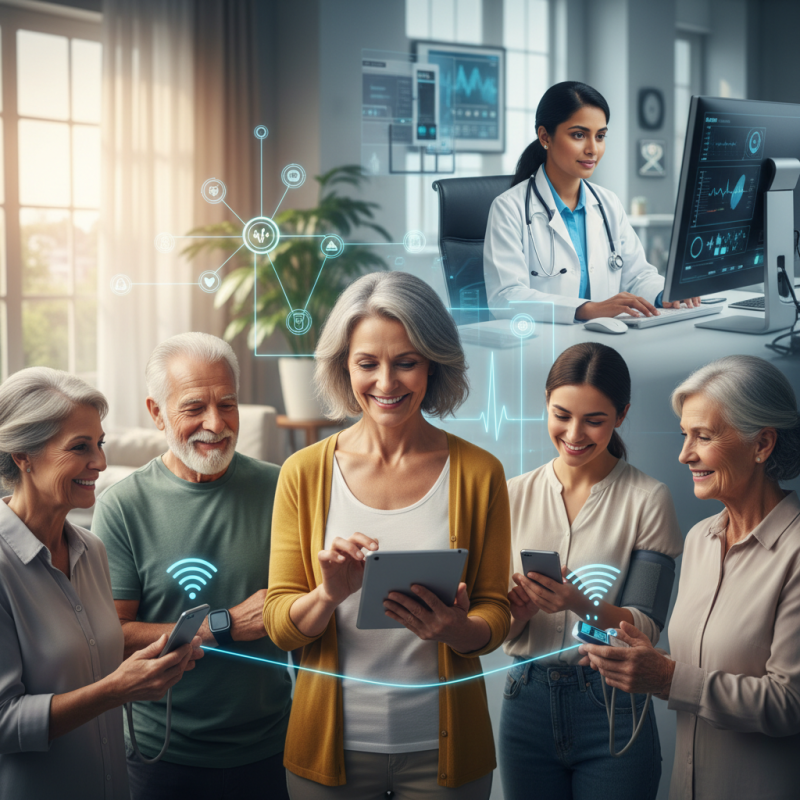
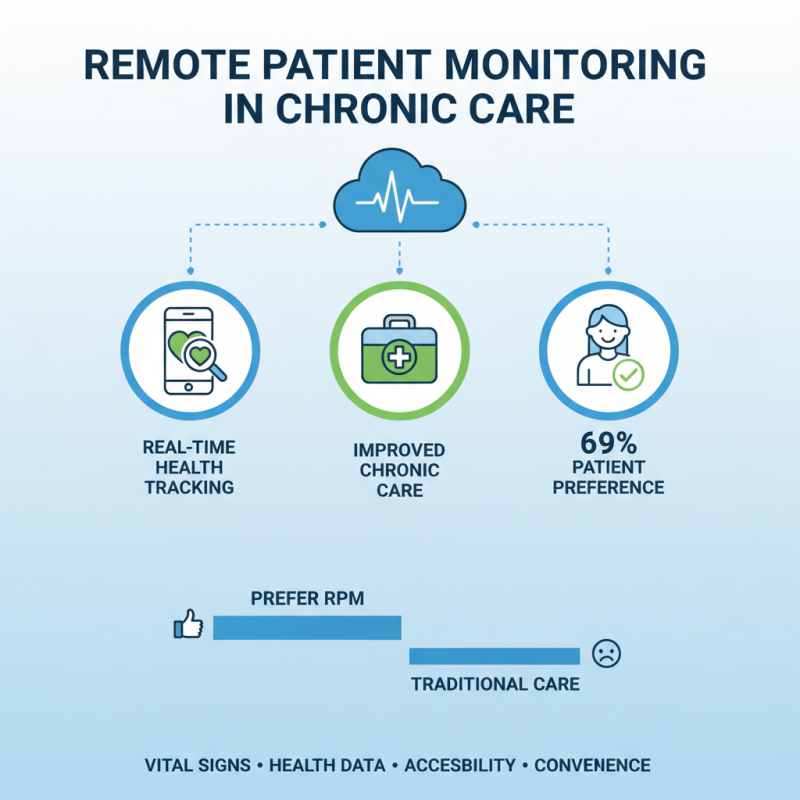
Remote patient monitoring (RPM) systems have revolutionized chronic care management. These systems allow healthcare providers to track patients' vital signs and health data in real-time. Studies show that 69% of patients prefer using RPM technology for ongoing health management. This preference highlights the importance of accessibility and convenience in care.
RPM systems enable continuous monitoring of conditions such as diabetes and heart disease. For instance, a report from the American Heart Association indicates that consistent monitoring can reduce hospital readmissions by 30%. This data suggests RPM is not only effective but also essential for enhancing patient outcomes.
However, challenges remain. Data security and patient privacy are crucial concerns. Many patients are apprehensive about sharing personal health information. Moreover, healthcare providers must ensure data accuracy to avoid potential misdiagnoses. While RPM offers significant benefits, ongoing evaluation is necessary to address these concerns effectively.
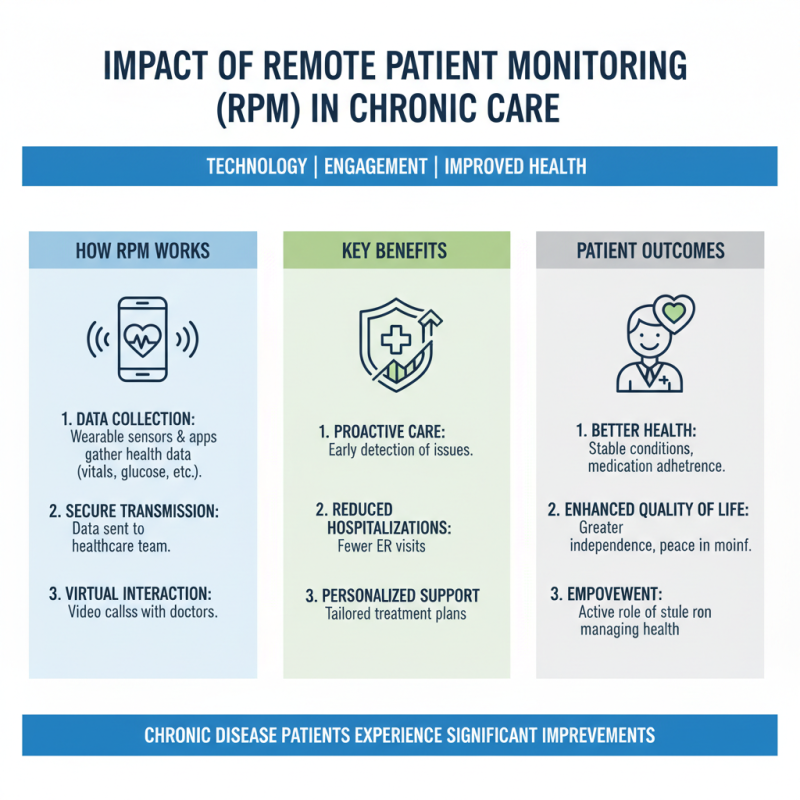
Remote Patient Monitoring (RPM) offers a revolutionary approach to chronic care management. One key feature of RPM is its ability to collect health data in real time. Patients use wearable devices to track vital signs like heart rate and blood pressure. A report from the American Telemedicine Association states that RPM can lead to a 30% reduction in hospital readmission rates for chronic illnesses. This is significant for both patients and healthcare systems.
Another vital aspect is patient engagement. RPM systems often include reminders for medication and appointments. This feature aims to improve adherence to treatment plans. According to a study published in the Journal of Medical Internet Research, patients using RPM reported a 50% increase in medication compliance. Simplifying access to doctors through telehealth can also enhance communication, making it easier for patients to raise concerns.
However, the technology is not without its challenges. Some patients struggle with the complexity of devices. There can be a learning curve, especially for older adults. Data security is another concern, as sensitive information must be protected. While RPM shows great promise for chronic care management, addressing these hurdles is essential for maximizing its effectiveness.
The chart above illustrates the key benefits of using Remote Patient Monitoring (RPM) systems in chronic care management. Each benefit is represented as a percentage of effectiveness based on recent studies, demonstrating how RPM can significantly enhance patient care.
Remote monitoring technologies have transformed chronic care management. These systems allow patients to monitor their health from home. They collect vital data, such as blood pressure and glucose levels. With this information, healthcare providers can assess patient conditions more accurately.
Using remote monitoring, patients engage more in their care plans. They can see their health data regularly and understand their progress. This transparency fosters a sense of responsibility. However, not all patients adapt easily to these technologies. Some may feel overwhelmed by the constant data flow. It's essential for healthcare teams to offer guidance and support.
Patient engagement is not just about technology. It requires human connection. Healthcare providers should encourage feedback from patients about their experiences. This interaction can highlight areas for improvement. By combining technology with a personal touch, remote patient monitoring can enhance overall care. Finding the right balance remains a challenge.
Remote patient monitoring (RPM) is revolutionizing chronic care management. One of its most crucial benefits is cost-effectiveness. A study by the American Journal of Managed Care reported that RPM could reduce hospital readmissions by up to 30%. This reduction translates to significant savings, making RPM an appealing option for healthcare providers.
The 2022 report from the Centers for Medicare & Medicaid Services (CMS) indicated that RPM has the potential to cut healthcare costs by as much as 20%. Continuous monitoring helps providers identify issues early. This proactive approach can prevent expensive emergency care and lengthy hospital stays.
However, there are challenges to consider. Integrating RPM technologies into existing practices requires investment in training and infrastructure. Not all patients are tech-savvy, which may hinder engagement and compliance. These factors must be addressed to fully realize RPM's cost-saving potential. By carefully evaluating the implementation process, healthcare providers can improve care delivery while optimizing resources.
Remote patient monitoring (RPM) has drastically changed the landscape of chronic care management. By utilizing technology, patients can engage with healthcare professionals without frequent visits. This shift can lead to significant improvements in health outcomes.
According to a study by the American Journal of Managed Care, patients using RPM demonstrate a 35% reduction in hospital readmissions. With continuous monitoring, healthcare providers can catch health issues early, preventing complications. For instance, regular blood pressure readings can help manage hypertension effectively. This proactive approach not only enhances health metrics but also improves patients' quality of life.
Tips: Establish a routine for daily health tracking. Set reminders for vitals checks or medication. Involve family members for additional support.
Despite these benefits, challenges remain. Some patients may struggle with technology. Others might feel isolated from in-person interactions. It’s essential for healthcare providers to address these issues by offering training and mental health support. Consequently, integrating tech into chronic care requires careful thought and adaptation.
Tips: Seek user-friendly devices. Ensure access to tech support. Communicate openly with healthcare teams about concerns.