Skip to content

What Are the Top RPM Devices for Global Buyers?

Remote patient monitoring is changing how clinicians follow patients beyond the hospital. For global buyers, rpm devices now support blood pressure, oxygen saturation, glucose, temperature, weight, and heart-rate tracking. The strongest choices are not always the most expensive. They are practical, clinically credible, and suitable for daily use.

Digital-health expert Dr. Joseph Kvedar frames this shift clearly: “The future of healthcare is in the home.” That vision requires more than attractive hardware. Buyers should examine clinical validation, measurement accuracy, connectivity, battery life, data encryption, and compatibility with existing healthcare platforms. A blood-pressure cuff that loses Bluetooth connection in a rural clinic may create more work, not less. A wearable with poor comfort may remain unopened after one week.

Small details matter.

Regional network coverage, language support, charging options, and technical service can shape real-world performance. Buyers should also confirm whether manufacturers provide transparent documentation and responsible data practices. Standards and purchasing requirements differ across markets, so local professional advice remains valuable. No shortlist is perfect. Even trusted rpm devices may need testing with actual patients, nurses, and IT teams before large-scale deployment.

This guide compares leading device categories for international purchasers. It focuses on usability, reliability, integration, and long-term value. The goal is not to promote one universal winner. It is to help buyers make careful decisions that fit their clinical setting, budget, and patient needs.

What Are the Top RPM Devices for Global Buyers?

What RPM Devices Measure and Why They Matter

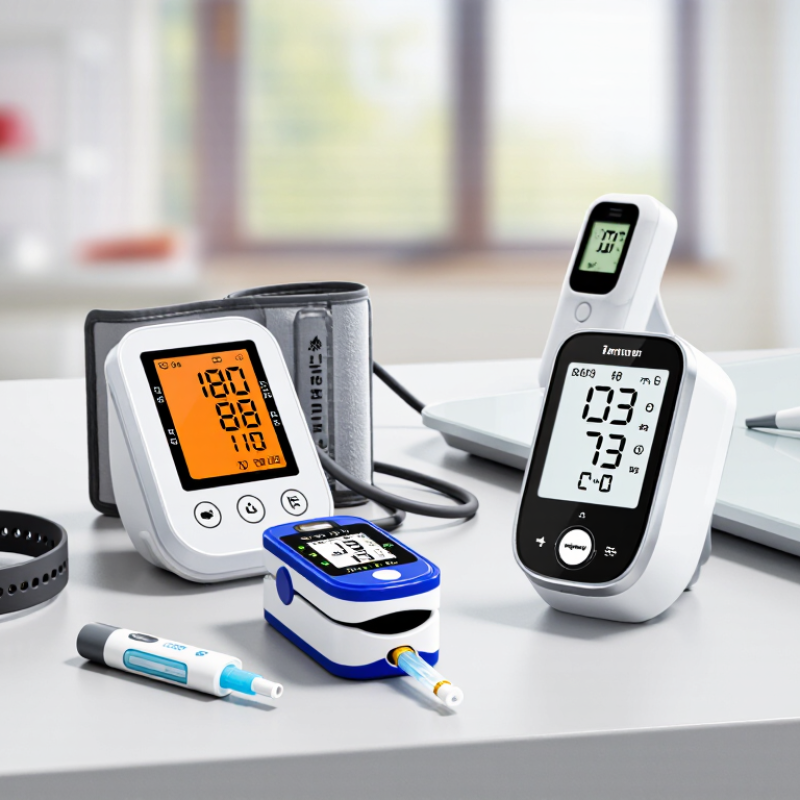
Remote patient monitoring (RPM) devices collect health data outside clinics. Common options include blood pressure cuffs, pulse oximeters, glucose meters, thermometers, weight scales, and ECG patches. Each device measures a different warning sign. Blood pressure readings can reveal hypertension trends. Oxygen saturation may signal breathing difficulties. Glucose data helps patients and clinicians adjust daily care safely. Weight changes can indicate fluid retention before swelling becomes obvious. These details matter because one isolated reading rarely explains a patient’s condition. Repeated measurements create a clearer clinical picture and support earlier professional decisions.

Reliable data depends on more than advanced hardware. Devices should offer proper calibration, comfortable use, secure transmission, and clear instructions. Global buyers also need to check language support, connectivity options, battery life, and local approval requirements. A device may perform well in a hospital but fail at home. Small buttons, weak signals, or confusing alerts can reduce daily use. I have noticed that convenience is often underestimated. Accuracy still needs independent evidence, not attractive specifications alone.

Tips: Choose devices that fit the patient’s routine. Confirm measurement instructions with a qualified professional. Record unusual readings with the time and symptoms. Do not treat a device alert as a diagnosis. Even dependable technology can produce errors when sensors are placed incorrectly, batteries are weak, or users rush the measurement.

Main Types of RPM Devices for Different Applications

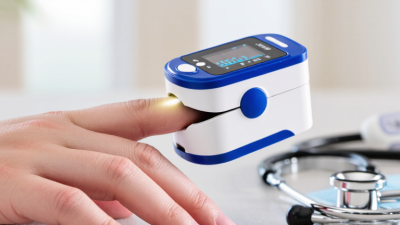
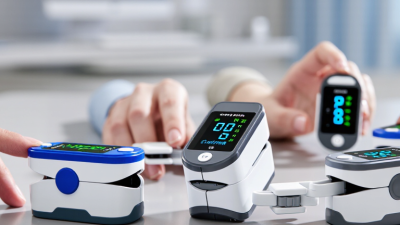
Remote patient monitoring (RPM) devices vary according to the condition being observed, the care setting, and the patient’s daily routine. Blood pressure monitors support hypertension management at home. Digital thermometers help track fever patterns during recovery. Pulse oximeters measure oxygen saturation and pulse rate, making them useful for respiratory care. Simple devices often perform best.

Blood glucose meters serve patients who need regular diabetes monitoring. Weight scales can reveal fluid changes in heart failure management, especially when readings are taken consistently. Single-lead ECG devices help capture irregular heart rhythms between clinical visits. Wearable sensors may collect heart rate, activity, sleep, or temperature data throughout the day. However, continuous data does not always mean better care.

Global buyers should examine measurement accuracy, calibration procedures, connectivity, battery life, and data security. Cellular devices can help patients without reliable home internet. Bluetooth models may suit clinics using smartphones or tablets. Larger displays and clear voice guidance support older users. Language settings also matter across international markets. No device is perfect. Motion, cold fingers, poor sensor placement, or skipped readings can distort results. A practical evaluation should include real household conditions, not only laboratory performance. Procurement teams should verify regulatory documentation, technical support, software compatibility, and clinician-friendly reports before adoption.

Top RPM Devices for Global Buyers

Common remote patient monitoring devices differ by application and the number of primary physiological variables they capture. Blood pressure monitors and pulse oximeters typically provide two core readings, while glucose meters, thermometers, weight scales, and single-lead ECG devices generally focus on one primary measurement.

The figures represent the primary physiological variables commonly captured by each device type; exact capabilities vary by device configuration and local clinical requirements.

Key Specifications to Compare Before Buying

For global buyers, RPM means remote patient monitoring, not simply a connected gadget. Grand View Research’s 2024 market report projects strong growth for remote monitoring devices through 2030. That expansion makes specification discipline essential. Start with the clinical measurement: blood pressure, oxygen saturation, temperature, weight, or glucose. Check accuracy against recognized validation standards, not advertising language. A familiar cuff may outperform a stylish device with unclear testing.

Connectivity is equally important. Compare Wi-Fi, Bluetooth, cellular, and offline storage. Cellular devices can help patients without reliable home internet, but roaming costs may become uncomfortable. Battery life, charging time, screen readability, and physical durability matter in real homes. They matter more in rural settings. The World Health Organization’s Global Strategy on Digital Health 2020–2025 stresses interoperability and secure data exchange. Therefore, confirm support for accepted healthcare data standards, encryption, user authentication, and exportable records.

Integration should be tested before purchase. Ask whether readings can enter existing clinical workflows through an API, rather than requiring another isolated dashboard. Also examine device calibration, replacement sensors, warranty coverage, and technical support across time zones. Total cost includes subscriptions, SIM fees, training, and failed readings. A low unit price can mislead. I would not treat every published accuracy figure as equally reliable; patient movement, skin condition, and poor placement can change results. Request independent validation reports and a small field trial before scaling. Five devices tested well may reveal more than a polished sales presentation.

Global Safety, Certification, and Compatibility Requirements

When global buyers evaluate remote patient monitoring devices, safety evidence should come before features. A clean interface cannot compensate for unreliable readings or weak risk controls. Look for manufacturers operating under ISO 13485 quality systems. Relevant testing may include IEC 60601-1 for electrical safety, ISO 14971 for risk management, and IEC 62304 for medical software. Requirements vary by device type and destination market.

Regulatory acceptance also needs careful checking. A European conformity assessment does not automatically permit sales everywhere. Buyers should verify local registration, authorized representation, labeling rules, and post-market reporting duties. Data protection matters too. Encryption should protect readings during transfer and storage. Access logs should show who viewed patient information. The device must also work with local networks, power standards, mobile frequencies, and clinical software. Test Bluetooth pairing in a real ward, not only in a quiet office. Small failures become expensive at scale.

Compatibility is more than a connector. Confirm API documentation, data formats, update policies, and integration with existing hospital systems. Battery performance should match the intended monitoring schedule. Skin-contact materials require appropriate biocompatibility evidence. Alarm behavior deserves practical testing. A silent alert can create serious clinical risk. Certification documents may look complete, yet field performance can still disappoint. Buyers should request sample units, independent test reports, calibration procedures, and support response times. Some procurement teams overlook replacement sensors and regional service capacity. That mistake is common.

What Are the Top RPM Devices for Global Buyers? - Global Safety, Certification, and Compatibility Requirements
RPM Device Category Primary Measurements Typical Clinical Use Key Safety and Performance Standards Common Regulatory Pathways Connectivity Options Interoperability Requirements Global Buyer Compatibility Checks
Automated Blood Pressure Monitor Systolic pressure, diastolic pressure, pulse rate; some models also detect irregular pulse patterns. Hypertension monitoring, cardiovascular follow-up, post-discharge observation, and medication management. IEC 60601-1 IEC 60601-1-2 ISO 81060-2 Market-specific medical-device authorization may be required, such as United States FDA clearance, European Union MDR conformity assessment, or United Kingdom medical-device requirements. Bluetooth Low Energy, Wi-Fi, cellular gateway, USB, or manual entry. Prefer structured blood-pressure data using IEEE 11073 or FHIR-based interfaces; confirm timestamp, patient identifier, units, and measurement status are transmitted. Confirm cuff sizes, arm circumference range, local power plug, voltage input, language support, and availability of validated adult and special-population cuffs.
Pulse Oximeter Functional oxygen saturation, pulse rate, and sometimes pulse waveform or perfusion index. Respiratory disease monitoring, sleep-related observation, acute-care follow-up, and chronic pulmonary care. IEC 60601-1 IEC 60601-1-2 ISO 80601-2-61 Medical-device classification and authorization vary by intended use and jurisdiction. Clinical claims generally require stronger evidence than wellness claims. Bluetooth Low Energy, Wi-Fi gateway, cellular hub, or local display with manual reporting. Use standardized oxygen-saturation and pulse-rate fields; retain signal-quality indicators, averaging time, and measurement context where available. Check performance across different skin pigmentation, low perfusion, motion, nail conditions, and ambient-light conditions; verify probe fit and battery availability.
Digital Thermometer Body temperature measured orally, axillary, rectally, tympanically, or through another declared method. Fever surveillance, infection follow-up, post-operative care, and pediatric monitoring. IEC 60601-1 IEC 60601-1-2 ISO 80601-2-56 Regulatory requirements depend on measurement method, intended purpose, accuracy claims, and whether the device is marketed as medical or consumer equipment. Bluetooth Low Energy, NFC, Wi-Fi, cellular gateway, or manual entry. Temperature units should be explicitly identified as degrees Celsius or Fahrenheit; include measurement site, method, timestamp, and device status. Verify measurement-site labeling, cleaning instructions, probe-cover availability, ambient operating range, local unit preferences, and replaceable-battery access.
Connected Body-Weight Scale Body weight; some devices estimate body-mass index, impedance-derived body composition, or fluid trends. Heart-failure monitoring, nutrition programs, metabolic care, renal-care observation, and post-discharge surveillance. IEC 60601-1 IEC 60601-1-2 OIML R 76 Legal-for-trade weighing requirements may apply when measurements are used for commercial transactions; medical claims can trigger medical-device regulation. Bluetooth Low Energy, Wi-Fi, cellular hub, or local display. Support kilograms and pounds with unambiguous units; transmit stable weight, timestamp, user profile, and measurement-quality information. Check maximum capacity, platform dimensions, floor-surface requirements, calibration policy, accessibility, regional units, and suitability for users with mobility limitations.
Blood Glucose Meter Capillary blood-glucose concentration; some systems also provide trend data and alerts. Diabetes self-management, medication adjustment support, pregnancy-related glucose monitoring, and remote clinical review. ISO 15197 IEC 60601-1 IEC 60601-1-2 Medical-device authorization is normally required for diagnostic glucose meters and associated test systems. Test strips and meters should be assessed as a compatible system. Bluetooth Low Energy, NFC, cellular-enabled reader, or manual entry. Transmit glucose value, unit, specimen type, meal marker, control-test status, strip lot where applicable, and timestamp using a structured data model. Confirm mmol/L or mg/dL configuration, strip supply and storage conditions, temperature limits, lancet availability, local labeling, and data-export capability.
Single- or Multi-Lead ECG Recorder Electrical cardiac signals, heart rate, rhythm classification, and, for selected systems, interval measurements. Arrhythmia screening, palpitations, post-procedure observation, and episodic cardiac assessment. IEC 60601-1 IEC 60601-1-2 IEC 60601-2-47 Regulatory review is generally required when the device provides diagnostic or rhythm-classification claims; requirements vary with lead configuration and intended use. Bluetooth Low Energy, Wi-Fi, cellular gateway, or encrypted mobile transfer. Prefer standardized ECG waveform and annotation formats, including lead configuration, sampling rate, gain, filter settings, signal quality, and timestamps. Check electrode type, replacement supply, skin compatibility, waveform export, time synchronization, local radio approvals, and clinician-review workflow.
Continuous ECG or Physiological Monitoring Patch Continuous or intermittent ECG, heart rate, activity, and sometimes respiratory rate or temperature. Extended rhythm monitoring, post-discharge surveillance, frailty programs, and high-risk chronic-care pathways. IEC 60601-1 IEC 60601-1-2 IEC 60601-2-47 ISO 10993 Authorization depends on whether the patch is intended for screening, diagnosis, monitoring, or clinical decision support; adhesive and skin-contact materials also require evaluation. Bluetooth Low Energy to a smartphone or hub, Wi-Fi relay, or cellular gateway. Support continuous time-series data, event markers, device-off periods, battery status, signal-quality flags, and secure export to clinical systems. Evaluate wear duration, skin tolerability, water resistance, replacement logistics, mobile operating-system support, roaming behavior, and data-retention rules.
Connected Spirometer or Peak-Flow Meter Forced expiratory volume, forced vital capacity, peak expiratory flow, and related respiratory indices. Asthma and chronic obstructive pulmonary disease management, pulmonary rehabilitation, and respiratory follow-up. ISO 26782 IEC 60601-1 IEC 60601-1-2 Medical-device requirements depend on the claimed measurement accuracy, diagnostic function, and intended patient population. Bluetooth Low Energy, Wi-Fi, cellular gateway, or manual recording. Preserve flow-volume or volume-time data when clinically required, together with predicted values, quality grades, maneuver acceptability, and patient demographics. Confirm disposable mouthpiece supply, infection-control process, calibration verification, ambient-condition handling, language support, and patient coaching features.
Connected Wearable Activity and Vital-Sign Monitor Activity, steps, sleep-related metrics, heart rate, and in selected devices, oxygen saturation or temperature. General wellness, rehabilitation adherence, chronic-care engagement, and supplementary trend monitoring. IEC 62304 IEC 82304-1 IEC 60601-1 Regulatory status depends strongly on claims. Wellness tracking and medical monitoring should not be treated as equivalent without jurisdiction-specific evidence. Bluetooth Low Energy to a phone, Wi-Fi synchronization, or cellular connectivity. Use documented APIs and structured data; distinguish measured values from algorithmic estimates and retain algorithm version where clinically relevant. Check operating-system support, account and cloud requirements, battery life, strap sizes, localization, privacy controls, roaming, and offline data storage.
Global purchasing note: Certification is not automatically transferable between markets. Buyers should verify the exact model, intended use, software version, accessories, radio approvals, cybersecurity documentation, electrical safety reports, local importer obligations, privacy requirements, and interoperability testing before procurement.

How to Select the Best RPM Device for Your Needs

Selecting the best remote patient monitoring (RPM) device starts with the patient, not the product. A blood pressure monitor may suit hypertension, while a pulse oximeter supports respiratory observation. Match every device to a measurable clinical question. The 2024 HIMSS Healthcare Cybersecurity Survey highlights continuing concern about connected-device security. Therefore, check encryption, access controls, software updates, and audit records before purchase. A low price means little if readings cannot enter the clinical workflow.

Accuracy also needs practical testing. Look for published validation against accepted clinical methods, not only attractive specifications. Confirm cuff sizes, sensor placement, battery life, and performance across different skin tones. The World Health Organization’s Global Strategy on Digital Health stresses interoperability and user-centered design. Choose devices that export structured data through recognized standards. Staff should see clear alerts, timestamps, and patient identifiers. Patients should understand the instructions without a technician standing nearby.

The 2023 AMA Digital Health Research reported that 93% of physicians saw advantages in digital health tools, yet adoption still depends on workflow fit. That gap matters. A device requiring five daily steps may fail in a real home. I would test it with older users, weak internet, and limited dexterity. Keep a paper fallback. Imperfect data happens. Review measurement trends, not one dramatic number, and define escalation rules with qualified clinicians.