Skip to content

Why Use an Oxygen Saturation Monitor?

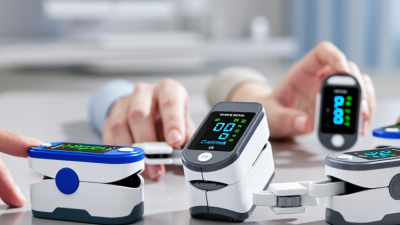
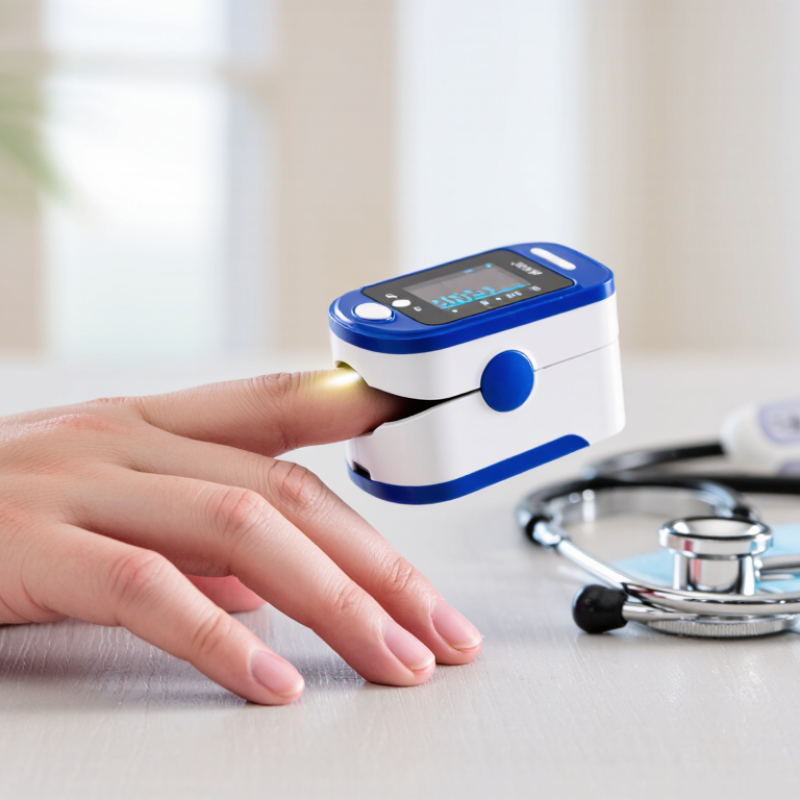
An oxygen saturation monitor helps show how effectively the blood carries oxygen. It is commonly used in hospitals, clinics, and home care. The device usually clips gently onto a fingertip. A small light then estimates oxygen saturation and pulse rate. Results appear within seconds, making changes easier to notice. This can be useful during respiratory infections, asthma symptoms, sleep concerns, or recovery after medical treatment.

Small details matter. Cold fingers, nail polish, movement, poor circulation, or an incorrectly fitted sensor may affect accuracy. A single reading should not replace a professional assessment. Clinicians consider symptoms, medical history, breathing effort, and repeated measurements together. A low result with blue lips, severe breathlessness, chest pain, or confusion requires urgent medical attention. Numbers can be reassuring, but they are not always complete.

The value of an oxygen saturation monitor lies in informed observation, not self-diagnosis. Regular users should learn their device’s instructions and understand its expected limitations. Recording readings beside symptoms may help a healthcare professional identify meaningful changes. Personal experience can reveal patterns, yet experience alone can also mislead. Even reliable devices need sensible interpretation. For this reason, monitoring works best as part of a broader care plan, especially for people with chronic lung or heart conditions. Its purpose is simple: provide useful information early, while leaving diagnosis and treatment decisions to qualified healthcare professionals.
Why Use an Oxygen Saturation Monitor?

What Is an Oxygen Saturation Monitor?

Why Use an Oxygen Saturation Monitor?

What Is an Oxygen Saturation Monitor?

An oxygen saturation monitor is a small, noninvasive device. It usually clips onto a fingertip. Light passes through the skin and estimates blood oxygen saturation, known as SpO₂. It also commonly displays pulse rate. The device takes seconds to use. No needles are required.

The screen is not a diagnosis. It is a screening signal. The World Health Organization’s Technical Specifications for Pulse Oximeters explains that these devices support oxygen assessment, especially where clinical resources are limited. A reading may help reveal possible low oxygen during respiratory illness, recovery, sleep monitoring, or physical exertion. However, movement, cold fingers, nail coverings, poor circulation, and sensor placement can distort results.

Accuracy also deserves careful attention. A 2020 New England Journal of Medicine analysis found occult hypoxemia in 3.6% of measurements among Black patients, compared with 1.7% among white patients. The FDA’s 2021 safety communication also warned that skin pigmentation and other factors may affect readings. One number can look reassuring while the patient feels breathless, confused, or unusually tired. That matters. I would compare the reading with symptoms, repeat it after warming the hand, and seek professional advice when results remain low. A monitor helps observe change. It does not replace clinical judgment.

How Does an Oxygen Saturation Monitor Work?

An oxygen saturation monitor estimates how much oxygen your blood carries. Most fingertip devices use two small light sources. One sends red light through the finger. The other sends infrared light. Oxygen-rich and oxygen-poor hemoglobin absorb these wavelengths differently. A sensor measures the returning light and sends the signal to a processor.

The device focuses on the small changes caused by each heartbeat. These changes mainly reflect arterial blood flow. The monitor then calculates oxygen saturation, or SpO2, and often displays your pulse rate. It does not directly measure oxygen inside every blood cell. It provides an estimate based on light absorption.

A steady hand matters. Cold fingers, movement, nail coverings, poor circulation, or bright light can affect the result. A loose fit can also create unstable numbers. Warm your hand and wait for a consistent reading. Do not judge health from one number alone. Symptoms and repeated measurements matter more.

Some readings look precise but remain imperfect. This is easy to forget. Skin temperature, circulation, and device quality can change the result. If a low reading continues, or breathing feels difficult, seek medical advice promptly. A monitor can support observation, but it cannot explain why oxygen levels change.

What Health Information Does It Measure?

An oxygen saturation monitor estimates peripheral oxygen saturation, or SpO2, through light passing into a fingertip. It also displays pulse rate. The World Health Organization’s Pulse Oximetry Training Manual explains that SpO2 approximates arterial oxygen saturation without drawing blood. Useful, but indirect. It does not measure lung function, carbon dioxide, blood pressure, or total oxygen delivery. Not oxygen content.

For many healthy adults at sea level, readings commonly fall between 95% and 100%, according to U.S. Food and Drug Administration consumer guidance. A lower number may reflect breathing problems, altitude, poor circulation, cold fingers, movement, or an incorrectly positioned sensor. The FDA’s 2021 Safety Communication also warns that skin pigmentation, nail coverings, and device limitations can affect accuracy. Numbers need context. A steady reading can still miss worsening symptoms, while one unusual reading may result from a cold hand. In practice, warming the finger, sitting still, and checking another finger can improve consistency. However, repeated low readings, blue lips, chest pain, confusion, or severe breathlessness require prompt medical attention. The monitor offers a useful clue, not a complete clinical assessment. It is easy to trust the screen too much.

Why Use an Oxygen Saturation Monitor? What Health Information Does It Measure?

An oxygen saturation monitor estimates blood oxygen saturation (SpO₂) and pulse rate using a fingertip sensor. The illustrative resting waveform below shows how these measurements can change over time.

SpO₂ is displayed as a percentage, while pulse rate is measured in beats per minute. In many healthy adults at sea level, resting SpO₂ is commonly around 95–100%, but readings can vary with altitude, health conditions, movement, cold fingers, and sensor fit. This sample is for educational purposes and is not a diagnosis.

Why and When Should You Use One?

An oxygen saturation monitor, or pulse oximeter, estimates blood oxygen through a small clip placed on a fingertip. It can help you notice changing oxygen levels during a respiratory infection, asthma flare, heart condition, or recovery after surgery. It may also be useful during exercise or travel to high altitudes, but only with suitable medical guidance. Most healthy adults at sea level record about 95% to 100%. Individual targets can differ.

Use one when a healthcare professional recommends home monitoring, especially if breathing feels harder than usual. Sit quietly, warm your hand, remove dark nail polish, and wait for a steady reading. Record the number, time, and symptoms. A persistent reading near or below 92% needs prompt medical advice, although local guidance may set another threshold. Severe breathlessness, blue lips, confusion, or chest pain requires urgent care, regardless of the display.

The number is helpful, but it is not a diagnosis. The U.S. Food and Drug Administration warned in 2021 that readings may be less accurate for people with darker skin pigmentation. A 2020 New England Journal of Medicine study found occult hypoxemia in 11.7% of Black patients, compared with 3.6% of white patients. That gap matters. Do not trust one reading blindly. Check the device, repeat the measurement, and consider how you actually feel.

Why Use an Oxygen Saturation Monitor? - Why and When Should You Use One?

Data Dimension What It Shows Typical Information or Range Why It Matters
Primary measurement Estimated peripheral oxygen saturation (SpO₂) The percentage of hemoglobin carrying oxygen, commonly displayed as a percentage Helps indicate how well oxygen is being transported in the blood, but it does not measure breathing quality directly.
Pulse rate Heart rate detected through the finger or another suitable measurement site Many healthy resting adults have a pulse of approximately 60–100 beats per minute, although age, fitness, illness, and medication can affect it. Provides additional context when interpreting an oxygen reading, but it is not a complete heart assessment.
Common reason to use one Monitoring oxygen levels during respiratory symptoms or a known medical condition May be useful for selected people with conditions such as chronic lung disease, sleep-related breathing problems, or acute respiratory illness when advised by a clinician. Repeated readings can help identify changes, especially when combined with symptoms and professional guidance.
Typical sea-level reference SpO₂ in many healthy people at or near sea level Often about 95–100%; personal targets may differ because of altitude or an underlying condition. A single number should not be interpreted without considering the person’s usual level, symptoms, altitude, and medical history.
Lower reading An SpO₂ result below the person’s expected range A result below 90% is generally considered low and requires prompt medical attention, particularly if it persists or symptoms are present. Low oxygen can be serious, but inaccurate technique or poor circulation can also produce an unexpectedly low result.
When to seek urgent help Low or falling readings together with warning symptoms Seek urgent medical help for severe breathlessness, chest pain or pressure, blue or gray lips or face, confusion, fainting, or inability to stay awake—regardless of the displayed number. Symptoms can signal a medical emergency, and a monitor must not delay emergency care.
Best measurement conditions Conditions that improve signal quality Rest quietly, warm the hand, remove obstructive nail coverings when possible, keep the hand still, and wait for a stable reading. Movement, cold fingers, poor circulation, and an unstable signal can reduce accuracy.
Factors that can affect accuracy Situations that may cause misleading readings Motion, low blood flow, skin temperature, bright ambient light, improper placement, some nail products, and certain blood conditions can affect results. The displayed value is an estimate and should be compared with symptoms and repeated under better conditions.
What it cannot diagnose The limits of an oxygen saturation monitor It cannot diagnose pneumonia, asthma, a heart problem, carbon monoxide exposure, or the cause of breathing difficulty. A normal reading does not rule out serious illness or guarantee that oxygen delivery to tissues is adequate.
How to interpret trends Changes over time rather than one isolated result Compare readings taken at similar times and conditions with the person’s usual baseline and any clinician-provided target. A persistent decline or a reading that differs substantially from the usual baseline deserves medical advice.
Who should use one People who may benefit from home monitoring People with clinician-recommended monitoring plans, respiratory conditions, or symptoms requiring observation may benefit from one. Use should support—not replace—clinical assessment and an individualized care plan.

Important: Oxygen saturation monitors provide estimates, not diagnoses. Follow local medical advice, and seek emergency care for severe or rapidly worsening symptoms even when the displayed reading appears normal.

How to Interpret Oxygen Saturation Readings Safely

Why Use an Oxygen Saturation Monitor?

How to Interpret Oxygen Saturation Readings Safely

An oxygen saturation monitor estimates how much oxygen your blood carries. It can support home monitoring during respiratory illness or recovery. However, the number is not a diagnosis. A healthy reading is often around 95% to 100% at sea level, but personal baselines, altitude, and medical conditions can change that range.

Small details affect accuracy. Warm your hand, remove dark nail polish, and sit quietly. Keep the finger still while the number settles. Check the pulse display too. If the reading looks unexpected, repeat it on another finger after several minutes. A single number can mislead me. That is easy to forget.

Pay attention to symptoms, not only the screen. Persistent readings below 90% require urgent medical attention, especially with breathlessness, chest pain, confusion, blue lips, or unusual drowsiness. Contact a clinician when readings stay below your usual level, even if symptoms seem mild. People with prescribed oxygen targets should follow their clinician’s instructions instead of general online ranges. Home monitors can be less reliable with poor circulation, movement, cold skin, or an improper fit. They also cannot detect every serious breathing problem. If severe symptoms appear, seek emergency care without waiting for a repeat reading. Write down the time, reading, symptoms, and activity; this gives a clinician more useful context.