Top 5 Patient Monitor Tips for Effective Healthcare Management?
In today’s healthcare landscape, patient monitor systems are crucial for effective management. According to a report by Grand View Research, the global patient monitoring market is expected to reach $46.20 billion by 2027, driven by the rising need for real-time health data. These systems enhance patient safety and enable timely interventions.
Despite advancements, many healthcare facilities overlook best practices in utilizing patient monitors. For instance, proper training on device use can reduce alarm fatigue, a common issue in busy wards. A study by the Journal of Clinical Monitoring and Computing noted that up to 85% of alarms may be false. This highlights the necessity for ongoing education on monitoring systems.
Effective healthcare management relies heavily on the right strategies. Integrating data from patient monitors with electronic health records can improve decision-making. However, healthcare professionals often encounter challenges in interpreting this data. As the industry evolves, understanding these tools becomes even more essential. Monitoring systems can save lives, but they must be used efficiently for the best outcomes.
Understanding the Importance of Patient Monitors in Healthcare Settings
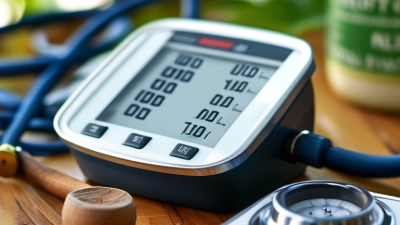
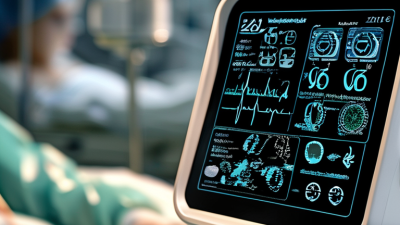
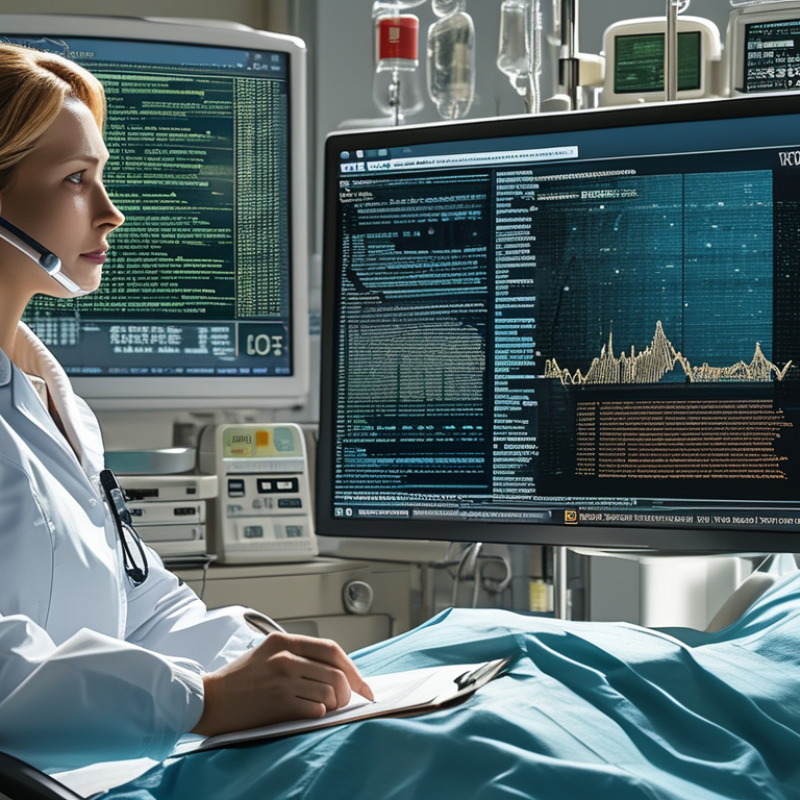
In healthcare settings, patient monitors are vital tools for tracking vital signs. They provide real-time data on heart rate, blood pressure, and oxygen levels. This continuous monitoring helps healthcare professionals make informed decisions quickly. Timely interventions can save lives.
However, improper use of these monitors can lead to confusion or errors. Training staff is crucial to ensure they understand how to interpret the data correctly. Technology can fail, so having a backup plan is necessary. Regular maintenance checks help prevent malfunctioning and ensure that monitors are working correctly.
Recognizing the importance of patient monitors goes beyond just functionality. These devices promote accountability in patient care. They create a culture of vigilance among healthcare providers. Yet, over-reliance on technology can lead to complacency. Balancing technology with clinical experience is essential for effective healthcare management.
Key Features to Consider When Choosing a Patient Monitor
When selecting a patient monitor, several key features are crucial for effective healthcare management. The usability of a monitor significantly impacts patient care. A study published by the Journal of Clinical Monitoring found that over 70% of healthcare providers believe intuitive interfaces reduce error rates. A user-friendly design enables quick access to vital information, which is essential for timely interventions.
Another vital feature is the accuracy of vital signs. According to data from the American Heart Association, inaccuracies in monitoring can lead to misdiagnosis in about 40% of cases. It’s crucial to choose a monitor that provides precise readings, especially for parameters like heart rate, blood pressure, and oxygen saturation. Monitoring systems must be evaluated for their performance in various patient conditions to ensure reliability.
Connectivity options are becoming increasingly important. With the rise of telehealth, seamless integration of patient monitors into electronic health records is essential. This feature allows for real-time data sharing, aiding in better patient management. However, many healthcare facilities find difficulties in achieving this integration. According to a recent HIMSS report, nearly 30% of healthcare organizations face barriers in connectivity. Consideration of these factors can significantly enhance the efficacy of patient monitoring systems.
Top 5 Patient Monitor Tips for Effective Healthcare Management
This chart illustrates the top five features to consider when choosing a patient monitor, based on importance ratings from healthcare professionals.
Best Practices for Training Staff on Patient Monitoring Equipment
Training staff on patient monitoring equipment is crucial for effective healthcare management. Clear communication is essential. Avoid jargon when explaining complex functions. Use simple, everyday language that everyone understands. Hands-on training sessions can enhance learning. Let staff practice with the equipment. This builds confidence and familiarity.
Incorporating real-life scenarios during training can bring valuable perspective. Simulate emergencies to allow staff to respond under pressure. After training, gather feedback. What did they find challenging? Are there specific areas where they feel less confident? Understanding these gaps can improve future sessions. Frequent refresher courses can also maintain skills and adapt to new technology.
Remember to foster an environment where staff feel comfortable asking questions. Engagement helps retention. Encourage staff to share experiences. Learning from one another can strengthen the entire team's abilities. Through continuous training and support, healthcare facilities can ensure that their staff is well-equipped to use patient monitoring equipment effectively.
Strategies for Integrating Patient Monitors into Daily Workflow
Integrating patient monitors into daily healthcare workflows requires careful planning and execution. A study from the American Journal of Critical Care indicates that 75% of medical errors stem from improper use of monitoring equipment. Training staff effectively can mitigate these risks. Regular workshops can enhance familiarity with devices, ensuring that healthcare workers confidently interpret data.
Data integration is key to maximizing the benefits of patient monitors. Electronic health records (EHRs) play a vital role. A report from HIMSS shows that 80% of hospitals that connect patient monitors to EHRs report improved patient outcomes. This integration allows for real-time data sharing, reducing delays in decision-making. Clinicians can act on critical information swiftly.
However, not all healthcare facilities have implemented seamless integration. Many still face challenges such as outdated systems and employee resistance. Continuous assessment of workflows is crucial. Engaging staff in ongoing feedback loops can identify areas for improvement. Incorporating their insights fosters a culture of collaboration. Ultimately, the goal is to make technology an ally, enhancing care quality.
Top 5 Patient Monitor Tips for Effective Healthcare Management
| Tip |
Description |
Benefits |
Implementation |
| Regular Calibration |
Ensure all patient monitors are calibrated to maintain accuracy. |
Improves the reliability of readings and patient safety. |
Schedule monthly calibration checks. |
| User Training |
Provide thorough training for all medical staff on monitor usage. |
Reduces errors and enhances staff confidence. |
Organize quarterly training sessions. |
| Data Integration |
Integrate monitors with health records for real-time data access. |
Facilitates quick decisions and improves patient outcomes. |
Work with IT to set up integration protocols. |
| Routine Maintenance |
Establish a schedule for regular maintenance of devices. |
Minimizes downtime and ensures consistent monitoring. |
Develop a checklist for monthly maintenance tasks. |
| Patient Engagement |
Encourage patients to understand their monitoring equipment. |
Increases patient satisfaction and compliance with treatment. |
Provide informational materials and demonstrations. |
Maintaining and Calibrating Patient Monitors for Optimal Performance
Maintaining and calibrating patient monitors is crucial for effective healthcare management. Regular checks should be part of hospital protocols. Monitors must function optimally to provide accurate readings. This accuracy is essential for patient safety. A minor error in calibration can lead to incorrect treatment decisions. Staff should be trained to recognize signs of malfunction.
Basic maintenance involves cleaning and inspecting devices daily. Dust and debris can interfere with the equipment’s performance. It’s important to replace worn-out cables and connectors. Doing so can prevent potential downtime. For calibration, establish a routine schedule. Verify settings with standardized test equipment. This helps ensure the monitor is providing trustworthy data.
Reflection on practices is key. Sometimes, equipment is ignored until failure occurs. Collect data on malfunction rates. This can reveal patterns and areas for improvement. Engaging the team in discussions about monitor performance can enhance reliability. Continuous evaluation fosters a culture of safety. Make proactive maintenance a priority.