Accurate blood pressure measurement is crucial for diagnosing and managing hypertension. Many people underestimate the importance of proper technique. Mistakes can lead to incorrect readings. These inaccuracies may affect treatment decisions. Knowing how to measure blood pressure correctly can help avoid these pitfalls.
In this guide, we provide ten essential tips. Each tip is backed by expertise in health and medical practices. You will gain insights from professionals who emphasize the need for precision. Small errors, like poor cuff size or incorrect positioning, can skew results. Awareness of these factors is crucial for reliable readings.
Trusting the process of blood pressure measurement is key. With practice and knowledge, anyone can improve their technique. This ensures that they receive the appropriate care. Focus on the details, and you can take control of your health. Embrace the responsibility that comes with accurate blood pressure measurements.
Blood pressure is a crucial indicator of overall health. It reflects how well the heart pumps blood through arteries. High blood pressure can lead to serious conditions, including heart disease and stroke. Understanding blood pressure helps individuals make informed health choices. Regular monitoring can identify issues early. It’s a simple act that can have lasting health benefits.
Measuring blood pressure accurately is essential for effective health management. Various factors can influence readings, such as stress or improper positioning. A quiet environment and correct arm placement are vital for reliable results. Many people may neglect to consider these factors. Even clinicians can make mistakes during measurements. This oversight can lead to incorrect diagnoses and poor treatment plans.
Awareness and education about blood pressure are often lacking. Many do not know the normal ranges or the significance of regular checks. This lack of knowledge can lead to negligence in monitoring health. It’s essential to seek out reliable information to improve understanding. Everyone should take initiative in learning how to maintain healthy blood pressure levels.
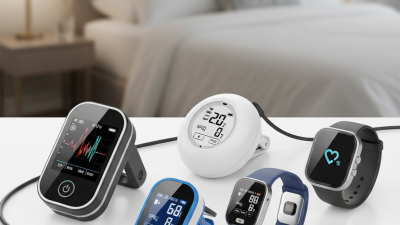
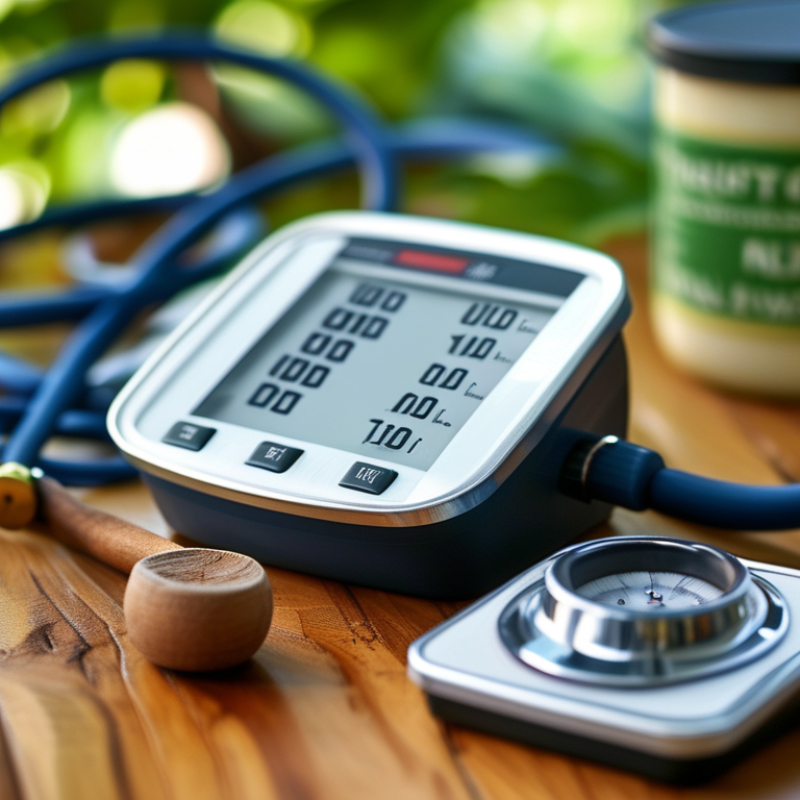
Choosing the right equipment for accurate blood pressure measurement is vital for reliable results. Various types of devices are available, including manual and digital monitors. Each has its strengths and weaknesses. Manual monitors, like sphygmomanometers, require skill and practice. However, they can offer precise readings when used correctly. Digital monitors are user-friendly, ideal for at-home use, but may sometimes display inaccurate readings due to improper placement or calibration issues.
Calibration is critical. Ensure your equipment is regularly checked against a standard. Incorrect calibrations could lead to misleading results. It's essential to follow the manufacturer’s guidelines for maintenance. While digital monitors are convenient, they can malfunction. Assess the device's accuracy periodically with a manual monitor. The cuff size is also important. An improper cuff can skew the reading significantly. This might lead to unnecessary panic or a false sense of security.
Take the time to educate yourself on blood pressure monitors. Your choice of equipment directly affects your health. Consider multiple factors, including accuracy, ease of use, and comfort. Regularly revisit your choice of equipment, and remain open to change as technology evolves. It's good to reflect on your methods and seek expert advice when needed. Every detail counts in measuring blood pressure accurately.
Measuring blood pressure accurately requires careful preparation. Research shows that up to 30% of readings can be inaccurate due to improper techniques. To start, ensure the patient is sitting comfortably. They should avoid caffeine or smoking at least 30 minutes before the reading. The body’s stress response can elevate blood pressure, impacting results.
Next, proper positioning is crucial. The arm should be supported at heart level. If the arm is too high or low, readings can be skewed by as much as 10 mmHg. Ensure that the cuff fits well; a cuff that is too small can exaggerate the pressure readings. Guidelines from the American Heart Association recommend using a cuff that encircles at least 80% of the arm.
Timing matters too. Blood pressure can vary throughout the day. It’s best to take readings at the same time daily for consistency. Ensure the patient is relaxed and has sat quietly for at least five minutes prior to the measurement. By taking these preparation steps, we can achieve more reliable blood pressure readings.
Measuring blood pressure accurately requires attention to positioning and timing. Proper patient placement is key. Have the patient sit comfortably with their back supported and feet flat on the floor. The arm should be at heart level, resting on a surface. This positioning helps ensure an accurate reading.
Timing also plays a crucial role. Take measurements at the same time each day. Fluctuations can occur due to physical activity, meals, or stress. Avoid measuring blood pressure right after exertion or when the person is anxious. It’s ideal to wait at least 5 minutes of calm before taking the reading.
Tip: Always use the correct cuff size. A cuff too tight or too loose can lead to inaccurate results. Regularly check the device for calibration. This detail can save you from potential misreading. Encourage the patient to relax prior to the measurement. Create a calm environment where they feel comfortable. Small steps lead to more reliable data.
Understanding blood pressure readings is crucial for maintaining cardiovascular health. Blood pressure is measured in millimeters of mercury (mmHg). It comprises systolic and diastolic values. Systolic pressure, the first number, indicates the force of blood against artery walls during heartbeats. A normal systolic reading is generally below 120 mmHg. Diastolic pressure, the second number, shows blood pressure when the heart rests between beats. Healthy diastolic levels are typically under 80 mmHg.
According to the American Heart Association, approximately 45% of adults in the U.S. have high blood pressure. This condition often goes unnoticed, as many do not exhibit symptoms. It's vital to interpret readings in context. For instance, a reading of 130/80 mmHg indicates elevated blood pressure, which can lead to hypertension if left unchecked. Regular monitoring is essential for early intervention. Misinterpretation of these numbers can lead to unnecessary anxiety or complacency regarding health.
Lifestyle factors heavily influence blood pressure levels. Stress, poor diet, and lack of exercise can elevate readings. Conversely, regular exercise and a balanced diet can help maintain optimal levels. Be aware that not every reading will be perfect. Variability can occur due to stress or time of day. Learning to track and interpret these fluctuations is important for personal health management.
| Tip | Details | Importance |
|---|---|---|
| 1. Measure at the Same Time Daily | Consistency helps in tracking changes over time. | High |
| 2. Use the Right Cuff Size | A proper-fitting cuff is crucial for accurate readings. | Very High |
| 3. Avoid Caffeine and Smoking | These can temporarily raise blood pressure. | High |
| 4. Sit Comfortably | Ensure you are relaxed and seated properly during measurement. | High |
| 5. Use Proper Techniques | Follow instructions for your specific device. | Critical |
| 6. Stay Still and Quiet | Movement and noise can affect readings. | High |
| 7. Take Multiple Readings | Record several readings and average them. | Very High |
| 8. Follow Up with a Healthcare Provider | Discuss readings for professional insights. | Critical |
| 9. Maintain a Healthy Lifestyle | Diet and exercise influence blood pressure health. | High |
| 10. Keep a Log of Readings | Helps track changes and note patterns. | Critical |