Skip to content

Top 10 Remote Patient Monitoring Devices to Buy in 2026

Remote patient monitoring devices are changing how people track health between appointments. In 2026, the strongest options will do more than collect numbers. They should make daily readings easy to capture, understand, and share with a care team.

The right device depends on the person and the health measures being monitored. A connected blood pressure cuff may suit someone checking readings at home. A pulse oximeter, digital scale, or wearable can serve other monitoring needs. Look closely at measurement consistency, fit, battery life, app clarity, and how reliably readings reach the intended clinician. Small details matter. A cuff that pinches or an app that drops a reading can quickly undermine a routine.

This guide explores the top 10 remote patient monitoring devices to buy in 2026, with attention to practical features, ease of use, and the quality of information available to buyers. Product capabilities and clinical evidence can vary, so check a device’s stated purpose and supporting validation rather than relying on marketing language alone. No gadget replaces medical advice. Ask a qualified clinician which measurements matter, how often to take them, and what changes should prompt a call. The best choice is not always the most advanced one; it is the device a person can use consistently and share data from with confidence. Some trade-offs remain, especially around cost, connectivity, and comfort. Those deserve a closer look.
Top 10 Remote Patient Monitoring Devices to Buy in 2026

What Remote Patient Monitoring Devices Are and How They Work

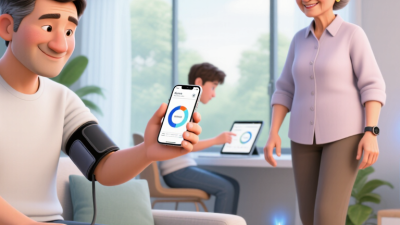
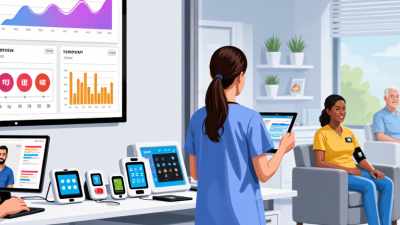
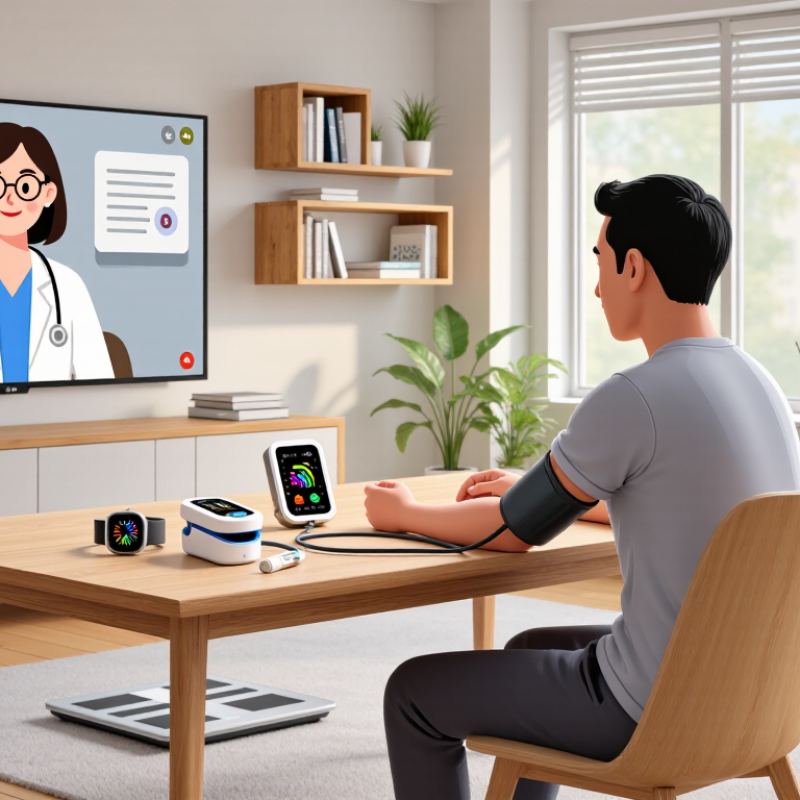
Remote patient monitoring devices collect health measurements outside a clinic and send them to a care team. Common tools include blood pressure cuffs, weight scales, pulse oximeters, thermometers, and wearable heart-rate monitors. A patient may use a cuff at the kitchen table each morning. The cuff tightens, records a reading, then sends it through a phone or cellular connection.

The system usually pairs a device with an app or home hub. Readings appear in a secure clinical dashboard, where staff can review trends and follow up when values cross agreed thresholds. A single unusual result may reflect movement, a loose sensor, or a missed step. Repeating the measurement can help, but patients should follow their care team’s instructions rather than changing treatment on their own. Not magic.

These devices can make changes easier to notice between appointments, especially for people managing ongoing conditions. Their usefulness depends on accurate equipment, clear setup, and regular use. A pulse oximeter, for example, may give a misleading reading if fingers are cold or the sensor is poorly placed. Data also needs context: symptoms, medication changes, and everyday routines matter. I’d be cautious about treating a dashboard number as the whole story. Monitoring supports clinical care; it does not replace an examination or urgent help when severe symptoms occur.

Key Criteria for Evaluating Devices in 2026

When comparing remote patient monitoring devices in 2026, begin with the measurements a care team actually needs. A blood pressure cuff, pulse oximeter, scale, or glucose meter should suit the patient’s condition and daily routine. Simple matters. Check whether readings include timestamps, units, and clear instructions; a number without context can mislead. Ask how the device handles missed readings, weak connectivity, and repeat measurements.

Accuracy deserves more than a marketing claim. Look for published validation relevant to the device type and intended users, and ask how performance may vary with movement, skin tone, circulation, or cuff fit. These details are not interchangeable. Also assess usability: large labels, tactile buttons, accessible displays, and setup a patient can manage independently. Fit matters. In practice, a capable device may fail if charging, pairing, or cleaning feels burdensome.

Data handling should be transparent. Confirm who can view readings, how alerts are configured, and whether information fits the existing clinical workflow. Ask about encryption, software updates, battery life, replacement supplies, and support hours. Test alerts with realistic examples before relying on them; notifications can be delayed, ignored, or triggered by an unusual reading. No device replaces clinical judgment. A short trial with different users can reveal gaps that a specification sheet will not.

Top 10 Remote Patient Monitoring Devices to Buy in 2026 – Key Criteria for Evaluating Devices in 2026

This category-level shortlist compares established remote-monitoring device types, not specific products. Suitability, availability, regulatory status, and connectivity vary by country and individual care plan.

Rank Device category Typical measurements Best suited for Data transfer to check Key evaluation criteria Important limitations
1 Automated blood pressure monitor Systolic and diastolic blood pressure; pulse rate Hypertension monitoring and cardiovascular care plans Bluetooth, Wi-Fi, or a compatible cellular hub; confirm readings can be shared with the care team Validated measurement performance, correct cuff size, readable display, memory, and simple measurement instructions Incorrect cuff fit, posture, or measurement technique can affect results; a single reading is not a diagnosis.
2 Connected body-weight scale Body weight; some models estimate body composition Heart-failure care plans, weight tracking, and nutrition programs Bluetooth or Wi-Fi synchronization; check support for multiple user profiles and data export Stable platform, appropriate weight capacity, repeatable readings, easy setup, and accessible display Weight trends are generally more useful than isolated changes; consumer body-composition estimates may be imprecise.
3 Pulse oximeter Estimated blood oxygen saturation (SpO₂) and pulse rate Clinician-directed monitoring of respiratory conditions Bluetooth or a connected hub; confirm timestamped readings and a usable history are available Clear signal-quality indicator, comfortable fit, reliable readings at the intended use conditions, and low-battery alerts Readings can be affected by motion, cold hands, circulation, skin characteristics, and other factors; it does not measure ventilation.
4 Blood glucose meter Blood glucose from a finger-stick sample Diabetes monitoring when intermittent measurements are part of the care plan Bluetooth or manual entry into a secure app or portal; check whether results can be shared as a record Ease of strip handling, readable results, accessible supplies, timestamping, and compatibility with the prescribed testing routine Requires a blood sample and test strips; results represent a point in time and should be interpreted according to the care plan.
5 Continuous glucose monitor (CGM) Frequent glucose estimates from interstitial fluid; trend data and alerts on compatible systems People whose diabetes care plan calls for continuous glucose data Sensor-to-reader or phone connection; review alert settings, data sharing, and periods without connectivity Wear duration, insertion and replacement routine, approved use, alert customization, and access to trend reports Interstitial glucose can lag behind blood glucose, especially during rapid changes; follow device instructions and clinical guidance for confirmation when needed.
6 Single-lead portable ECG recorder Short ECG recordings of the heart’s electrical activity Clinician-directed recording of intermittent symptoms or rhythm assessment Bluetooth or app-based upload; check that recordings can be reviewed or exported by the intended care team Recording length, simple electrode contact, artifact guidance, secure sharing, and clear instructions for symptom logging A single-lead recording is not a full diagnostic ECG; automated interpretations do not replace professional review.
7 Digital thermometer Body temperature using the measurement method supported by the device Temperature tracking during illness or post-treatment monitoring Bluetooth or manual logging; check timestamping and the ability to associate readings with the correct user Clearly stated measurement site, easy cleaning, readable result, repeatable technique, and a suitable operating range Readings depend on measurement site and technique; results from different methods may not be directly comparable.
8 Home spirometer Measures such as forced expiratory volume and forced vital capacity, depending on device and test protocol Clinician-supervised monitoring for selected respiratory conditions Bluetooth, Wi-Fi, or secure portal; verify that the care team can access test results and quality indicators Guided test instructions, repeatability checks, mouthpiece hygiene, calibration or maintenance guidance, and training support Results depend on correct effort and technique; home measurements do not replace clinical assessment or formal pulmonary testing.
9 Connected wearable activity monitor Activity, steps, and—in some devices—heart rate or sleep-related estimates Tracking activity trends and supporting individualized wellness or rehabilitation plans Bluetooth synchronization to a phone or hub; check data export, account access, and sharing controls Comfort, battery life, accessible charging, clear privacy controls, and transparent descriptions of measured versus estimated data Consumer activity and sleep metrics are estimates and may not be suitable for diagnosis or treatment decisions.
10 Peak flow meter Peak expiratory flow during a forceful exhalation Asthma action plans that include peak-flow tracking Digital models may use Bluetooth or an app; confirm readings can be recorded against the user’s personal plan Easy-to-read scale, repeatable technique, portability, cleanability, and clear instructions for recording results Technique affects results; peak flow is only one measure of breathing and should be interpreted using the clinician-provided action plan.

Before purchasing, confirm that the device is appropriate for the patient’s care plan, that its regulatory status is suitable for the intended use in your region, and that its data can be securely accessed by the intended care team. Seek clinical advice about interpreting readings and responding to alerts.

The Top 10 Remote Patient Monitoring Devices to Buy in 2026

Choosing a remote patient monitoring device in 2026 means matching the equipment to a care plan, not chasing the newest feature. A connected blood pressure monitor and digital scale can track common heart-health measures. A pulse oximeter, digital thermometer, and wearable heart-rate monitor offer additional snapshots. They are not interchangeable. Readings can vary.

For a broader top-ten shortlist, consider an at-home ECG recorder, a blood glucose meter, a continuous glucose monitor, a home spirometer, and a wearable respiratory sensor.

These tools measure different things: heart rhythm, glucose, airflow, or breathing patterns. Not everyone needs all ten.

A clinician can help decide which measurements are useful and how often to take them.

Devices should be comfortable, readable, and simple to operate; a confusing screen can lead to missed entries.

Before buying, check how results reach the care team, whether the device works with the program’s software, and how data is protected. Ask about cuff size, sensor replacement costs, battery life, and support for people with limited vision or dexterity. Setup is rarely perfect. Wi-Fi drops, and some readings need repeating. Keep a paper note of unusual results, and follow the care team’s instructions rather than changing treatment based on a single measurement.

Comparing Device Types, Features, and Care Settings

Choosing among remote patient monitoring devices in 2026 means matching measurements to care needs. Blood pressure cuffs and connected scales suit home hypertension or heart-failure follow-up. Pulse oximeters can track oxygen levels, while ECG patches capture heart rhythms between visits. Continuous glucose monitors support diabetes care. Fit matters. Check ease of use, measurement frequency, battery life, data sharing, and whether readings reach a clinician’s workflow. A device that is technically capable but difficult to use may produce gaps, not insight.

Care setting changes the choice. A homebound patient may need simple setup and caregiver access; a post-discharge program may prioritize alerts and reliable data transmission. In CDC’s NCHS Data Brief No. 445, 37.0% of U.S. adults reported telemedicine use in 2021. That figure describes virtual visits, not remote monitoring adoption, but it shows how familiar connected care has become. A 2017 systematic review and individual patient data meta-analysis by Tucker and colleagues found that self-monitoring blood pressure lowered systolic pressure by about 3.2 mm Hg on average. The benefit was greater when monitoring included additional support.

Compare the top ten options by clinical purpose, measurement accuracy, accessibility, and support—not by sensor count alone. Confirm that readings are understandable and actionable for the care team. The rankings remain imperfect: the best device on paper may not suit a patient’s home, dexterity, or daily routine. A short trial can expose those mismatches before a program scales.

How to Choose a Device for Your Health Needs

Choosing a remote patient monitoring device starts with the health question it must answer. A blood pressure cuff, glucose meter, pulse oximeter, and connected scale serve different needs. Ask your clinician which readings matter, how often to take them, and what should trigger a call. More data is not always better.

The World Health Organization’s 2023 hypertension report estimates that 1.28 billion adults aged 30–79 have high blood pressure; nearly half are unaware. For someone tracking blood pressure, cuff fit and a clear measurement routine may matter more than extra app features. The American Medical Association’s 2022 Digital Health Research found that 30% of surveyed physicians used remote monitoring devices. Adoption alone, however, does not show whether a particular device fits your care plan.

Check that the device measures the right thing and offers instructions you can follow at home. Look for clear accuracy information, accessible displays, and a reliable way to share readings with your care team. Ask about data access, connectivity, replacement supplies, and ongoing costs before buying. Fit matters. If you have trouble reading small screens or remembering measurements, test the setup before committing. I would not treat a polished dashboard as proof of better care; the readings still need context and follow-up.