Skip to content

China Top 10 Remote Patient Monitoring System Suppliers?

Remote patient monitoring system technology is moving from pilot projects into daily clinical workflows. Home blood-pressure cuffs, pulse oximeters, glucose meters, and connected scales now transmit measurements beyond the hospital. Grand View Research valued the global remote patient monitoring systems market at approximately USD 14 billion in 2023. It also projects strong growth through 2030. The numbers are impressive. They are not a guarantee of clinical value.

China is becoming an important supplier base for this expanding market. Local manufacturers often combine medical devices, mobile applications, cloud platforms, and hospital integration services. This guide introduces China’s top 10 remote patient monitoring system suppliers through practical purchasing criteria. These include device accuracy, regulatory documentation, interoperability, cybersecurity controls, data ownership, and technical support. It also considers experience with hospitals, elderly patients, chronic disease programs, and overseas deployments.

Evidence matters most.

The World Health Organization’s Global Strategy on Digital Health 2020–2025 emphasizes interoperability, patient safety, equity, and trustworthy data governance. Those principles should guide supplier evaluation, not marketing claims alone. A reliable platform should support clear alerts, traceable records, and usable dashboards for clinicians working under pressure. It should also function when a patient has weak connectivity or limited digital skills. That detail is easy to overlook. This list is therefore not a permanent verdict; supplier capabilities, certifications, software updates, and service quality can change. Buyers should independently verify current approvals, test reports, clinical evidence, and implementation references before signing a contract.

China Top 10 Remote Patient Monitoring System Suppliers?

Define RPM Systems Through Devices, Data Flows, and Clinical Workflows

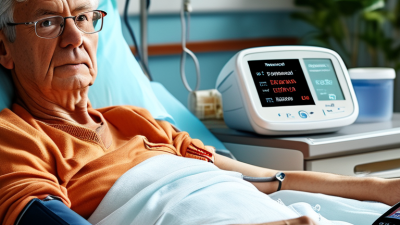
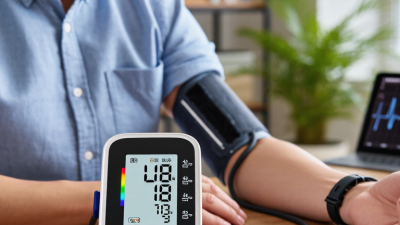
China’s top remote patient monitoring suppliers should be judged by system design, not product catalogs. A reliable RPM system combines a blood pressure monitor, pulse oximeter, glucose meter, or wearable sensor. Each device must fit the patient’s daily routine. A clever device still fails when charging feels difficult.

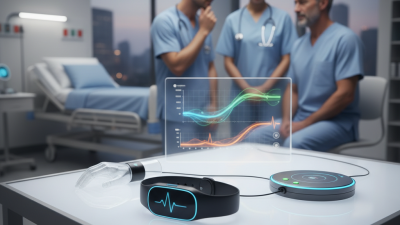
Data flow matters. Sensors capture readings at home, then transfer them through Bluetooth, mobile networks, or a secure gateway. The platform should label timestamps, detect missing values, and show trends clearly. Clinicians need useful signals, not endless notifications. Thresholds require clinical review. One fixed alert rule may overlook age, medication, or baseline differences.

Clinical workflow gives RPM its practical value. A nurse can review a morning dashboard, confirm an unusual result, and contact the patient through a documented process. Escalation should identify who responds and when. Records should connect readings with symptoms, care plans, and follow-up notes. Strong suppliers explain device accuracy, data protection, training, maintenance, and integration before deployment. They should also provide evidence from real clinical use, not only laboratory demonstrations. In practice, implementation is rarely perfect. Patients forget measurements. Networks fail. Staff may ignore alerts during busy shifts. A pilot with measured response times can reveal these gaps. That honest testing is often more valuable than polished claims.

Quantify Demand: China Had 296.97 Million People Aged 60+ in 2023

China’s aging population is reshaping demand for remote patient monitoring systems. The National Bureau of Statistics reported 296.97 million people aged 60 or above in 2023. They represented 21.1% of the population. People aged 65 and above reached 216.76 million. These figures create a large, measurable need for home-based care.

The demand is not only demographic. The 53rd Statistical Report on China’s Internet Development, published by CNNIC, recorded about 413 million online medical service users by December 2023. This suggests growing acceptance of digital health tools. Suppliers should therefore support blood pressure, glucose, oxygen, heart rate, and medication tracking. Simple interfaces matter. So does reliable data transfer.

Hospitals may also need systems that reduce unnecessary visits for older adults with chronic conditions. However, population size alone does not prove purchasing demand. Connectivity differs between urban apartments and rural homes. Caregivers may struggle with device setup. Data quality can also decline when users forget measurements. This is an important weakness. Procurement teams should examine clinical validation, alert accuracy, interoperability, cybersecurity, and technical support. The World Health Organization continues to identify noncommunicable diseases as a major health burden in China, reinforcing the need for long-term monitoring. Yet suppliers must avoid overstating results. Practical adoption will depend on trust, training, reimbursement, and careful workflow design.

Frame the Need: WHO Reports NCDs Cause 74% of Global Deaths

China Top 10 Remote Patient Monitoring System Suppliers?

WHO reports that noncommunicable diseases caused 74% of global deaths. That equals about 41 million deaths each year. Cardiovascular disease, cancer, chronic respiratory disease, and diabetes remain major contributors. The burden is visible in daily care: an older patient checks blood pressure before breakfast, while a nurse reviews abnormal readings remotely.

The need is measurable. The International Diabetes Federation estimated that 537 million adults lived with diabetes in 2021. Many require regular glucose monitoring and timely intervention. Remote patient monitoring can support this process through connected blood pressure cuffs, pulse oximeters, ECG devices, and glucose meters. However, technology alone cannot improve outcomes. Weak clinical workflows may simply create more alerts.

When evaluating China’s top ten suppliers, buyers should examine device accuracy, clinical validation, data continuity, and platform interoperability. The system should show clear timestamps and patient trends, not isolated numbers. It should also define who responds when oxygen saturation falls at 2 a.m. WHO’s digital health guidance stresses that technology must strengthen health systems, not replace professional judgment. This point is easy to overlook. In practice, integration with hospitals, trained staff, cybersecurity controls, and transparent reporting often matter more than a crowded feature list. Some procurement decisions still overvalue hardware appearance. That deserves reconsideration.

Screen Suppliers by NMPA Approval, ISO 13485, IEC 60601, and Cybersecurity

China’s remote patient monitoring market is expanding with hospital demand, aging populations, and home-based care. MarketsandMarkets estimates the global RPM market could grow from USD 14.0 billion in 2023 to USD 41.7 billion by 2028. That growth makes supplier screening more important, not optional.

For a credible China top-10 list, verify NMPA approval by product model, not marketing category. Check the registration certificate, approval scope, measurement accuracy, and renewal status. ISO 13485 certification should cover the actual manufacturing site and relevant devices. A certificate alone proves little. Confirm its issuing body and audit validity. IEC 60601-1 evidence should match the device configuration. For connected equipment, review IEC 60601-1-2 electromagnetic compatibility and IEC 60601-1-11 home-care requirements. Test reports must identify the same model sold to hospitals.

Cybersecurity needs equal attention. The 2024 IBM Cost of a Data Breach Report reported a global average breach cost of USD 4.88 million. Request encryption details, role-based access, multi-factor authentication, software bills of materials, penetration-test results, and vulnerability response timelines. Ask where patient data is stored and how deleted data is handled. IEC 81001-5-1 alignment can strengthen software security evidence. Some suppliers may provide incomplete documentation. That is a warning, but also a practical reminder: procurement teams should independently verify certificates, test reports, and clinical performance before ranking suppliers.

China Top 10 Remote Patient Monitoring System Suppliers?
Screen Suppliers by NMPA Approval, ISO 13485, IEC 60601, and Cybersecurity
Anonymized supplier screening matrix. Regulatory and certification status must be verified against the specific product model, certificate scope, issuing body, and current validity period.
Rank Anonymous Supplier Typical RPM Capability NMPA Approval Screening ISO 13485 Screening IEC 60601 Screening Cybersecurity Evidence Integration Initial Screen
01 Supplier 01 Multi-parameter vital signs, cloud dashboard, clinician alerts Verify by model
Medical-device registration or filing required where applicable
Certificate required
Scope must cover the relevant device activity
Test report required
IEC 60601-1 plus applicable collateral standards
SBOM, vulnerability-response procedure, penetration-test summary API / HL7 / FHIR High potential
02 Supplier 02 Blood pressure, SpO₂, temperature, weight, patient portal Model-specific check
Confirm product category and registration holder
Certificate required
Check certificate number and expiry date
Partial evidence
Request safety and EMC test documentation
TLS in transit, encryption at rest, access-control policy, incident process REST API / CSV Due diligence
03 Supplier 03 Connected ECG, pulse oximetry, long-term monitoring Verify by model
Confirm NMPA database record and intended use
Certificate required
Manufacturing site and product scope should match
Test report required
Include ECG-specific performance and safety evidence
Secure update method, SBOM, audit logs, MFA, vulnerability disclosure channel FHIR / Webhooks High potential
04 Supplier 04 Respiratory monitoring, spirometry, chronic-care workflows Model-specific check
Confirm registration matches respiratory intended use
Scope verification
Request current certificate and audit status
Test report required
Verify electrical safety, EMC, and essential performance
Risk assessment, threat modeling, secure development records, patch policy API / HL7 Due diligence
05 Supplier 05 Home-care gateway, Bluetooth devices, multilingual patient app Verify by model
Gateway and measuring devices may have different regulatory status
Certificate required
Check legal manufacturer and manufacturing locations
Component review
Review applicable reports for gateway and connected devices
Device identity management, secure pairing, data minimization, backup policy REST API / SDK Due diligence
06 Supplier 06 Cardiac rehabilitation, ECG patches, event-triggered alerts Verify by model
Review device class, registration certificate, and approved specifications
Certificate required
Confirm certificate covers design and production controls
Test report required
Request applicable IEC 60601 collateral and particular standards
SBOM, code-signing, secure update, monitoring, incident-notification SLA FHIR / API High potential
07 Supplier 07 Diabetes monitoring, connected meters, adherence dashboards Model-specific check
Verify registration or filing for each measuring device
Scope verification
Confirm certificate validity and applicable site scope
Evidence review
Check safety, EMC, accuracy, and usability documentation
Encryption, role-based access, consent management, deletion process REST API / CSV Due diligence
08 Supplier 08 Hospital-at-home platform, device fleet management, nurse triage Verify by model
Separate software functionality from regulated hardware claims
Certificate required
Check quality-system scope for software and hardware activities
System review
Request reports for every supplied medical electrical device
ISO 27001 or equivalent controls, penetration test, SBOM, disaster recovery FHIR / HL7 / SSO High potential
09 Supplier 09 Elderly-care monitoring, fall detection, emergency communication Model-specific check
Confirm whether monitoring claims affect device classification
Scope verification
Request current certificate and latest surveillance evidence
Evidence review
Review electrical safety, EMC, alarm, and environmental tests
MFA, least-privilege access, encrypted communications, alert-integrity controls REST API / Webhooks Due diligence
10 Supplier 10 Modular RPM software, third-party device connectivity, analytics Architecture review
Verify which party holds approval for each connected device
Scope verification
Check whether the software and hardware are within scope
Interface review
Obtain reports from the original medical-device manufacturers
API authentication, tenant isolation, logging, SBOM, vulnerability disclosure policy FHIR / REST / SSO Due diligence
Screening notes
NMPA approval is generally assessed at the product or model level, not simply at supplier level.
ISO 13485 demonstrates a medical-device quality-management system; it is not product approval.
IEC 60601 evidence should match the device type, intended use, applicable collateral standards, and test configuration.
Cybersecurity review should include secure development, access control, encryption, vulnerability handling, updates, logging, and business continuity.

Rank China’s Top 10 by Devices, Connectivity, Clinical Evidence, and Cost

China’s Top 10 Remote Patient Monitoring System Suppliers should be ranked by measurable performance, not marketing claims. Device quality comes first. Strong systems support reliable blood pressure, glucose, oxygen, temperature, and ECG readings. Sensors should remain comfortable during daily use. A practical test includes a seven-day home trial and repeated readings against approved clinical equipment.

Connectivity separates promising suppliers from dependable ones. Leading systems usually support Bluetooth, cellular networks, and secure cloud transmission. Hospitals should check performance in rural areas, elevators, and homes with unstable Wi-Fi. Clinical evidence also matters. Look for peer-reviewed studies, validation reports, response-time data, and documented patient outcomes. A polished dashboard is not enough. Evidence may still be limited.

Tips: Compare the total cost, not only the device price. Include software licenses, training, maintenance, data storage, and replacement sensors. Ask whether the system integrates with existing hospital records. Test alerts with real nurses, not only technical staff. No ranking is perfect. Some suppliers publish impressive data but provide little information about long-term support. Others offer lower prices but weaker clinical validation. A careful buyer should score devices, connectivity, evidence, and cost separately before choosing the final top ten.