High blood pressure affects an estimated 1.28 billion adults aged 30–79 worldwide, according to the World Health Organization’s Global Report on Hypertension (2023). Nearly half are unaware of their condition. This gap makes convenient monitoring increasingly important for households, clinics, and mobile care teams.
This guide examines seven leading continuous blood pressure monitor options for global buyers. It considers measurement principles, validation evidence, comfort, battery life, connectivity, data privacy, and regional availability. The review also separates true continuous monitoring from intermittent cuffless estimates. That distinction matters. The U.S. Food and Drug Administration has warned that unauthorized devices may produce inaccurate blood pressure readings. A sleek wrist device is not automatically a medical-grade instrument.
The American Heart Association recommends validated blood pressure devices and standardized measurement conditions. Users should sit quietly, support the arm, and avoid talking during readings. Small details matter. A cold fingertip, loose strap, or moving train can distort results. This article prioritizes products with transparent clinical evidence, recognized regulatory status, and clear instructions. It does not replace professional diagnosis or treatment.
No shortlist is perfect. Validation standards differ across regions, and some emerging wearables still need stronger independent evidence. Buyers should check local approval requirements, cuff sizing, app compatibility, and after-sales support before purchasing. The best choice may be less fashionable, but more dependable. For international users, trustworthy data should outweigh impressive marketing language.
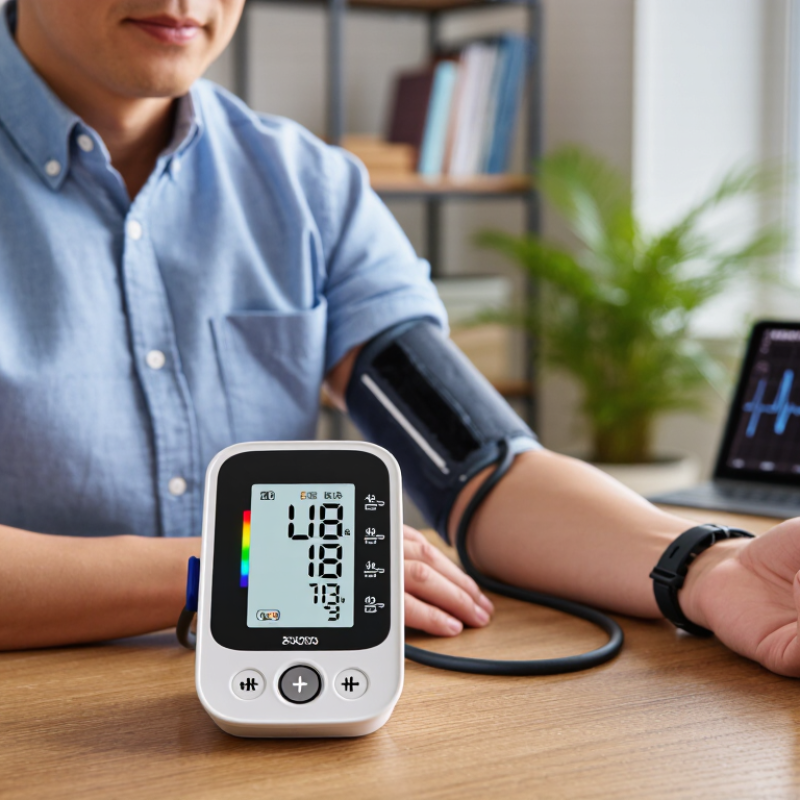
Continuous blood pressure monitoring tracks pressure changes across hours or days, rather than relying on one clinic reading. Some devices estimate values repeatedly, while ambulatory monitors inflate a cuff at set intervals, including during sleep. These methods can reveal morning surges, nighttime hypertension, or pressure drops after medication.
It may help people with suspected white-coat hypertension, hidden hypertension, fluctuating readings, dizziness, or difficult-to-control blood pressure. Clinicians may also consider it during medication adjustments, pregnancy-related monitoring, or evaluation of fainting episodes. A patient who feels light-headed after standing might show a sharp pressure decline that a single seated reading misses. Small details matter.
Continuous monitoring is not automatically accurate. Cuff position, movement, loose fit, skin contact, and device validation can affect results. The data may look more certain than it is. Not a magic answer. Users should compare unusual readings with a clinically validated upper-arm monitor and discuss repeated patterns with a qualified healthcare professional. Severe symptoms, such as chest pain, weakness, confusion, or serious breathing difficulty, require urgent medical attention rather than waiting for a device report.
Buyers should ask whether the system measures blood pressure directly or estimates it from other signals. They should also check validation evidence, measurement intervals, comfort during sleep, data security, and compatibility with clinical review. Continuous records are useful only when collected carefully and interpreted in context.
Continuous blood pressure monitors differ more than their screens suggest. Compare the measurement method before comparing price or app design. Cuff-based devices inflate periodically and directly estimate pressure from arterial oscillations. They can feel tight, but their readings are easier to interpret. Cuffless devices may use optical sensors, pulse transit time, or tonometry. These methods are comfortable, yet they often depend on calibration and stable sensor contact. A reading after climbing stairs is not equal to a resting reading.
Accuracy should be checked through independent clinical validation, not advertising claims. Look for evidence across different ages, skin tones, body sizes, and blood pressure ranges. In practice, compare the monitor with a validated upper-arm cuff under quiet conditions. Record both readings several times. Small differences are normal. Large, repeated differences deserve attention. I have found that movement, loose straps, cold fingers, and poor posture can distort results. Even careful testing has limits.
Tips: Choose a device that stays secure during sleep and normal work. Check battery life, charging time, and data export options. A lighter monitor may improve compliance, but comfort can hide weak sensor contact.
Ask how often calibration is required. Do not treat a wearable estimate as a diagnosis. For medication decisions, discuss patterns with a qualified clinician. A useful monitor should fit real routines, not merely produce impressive graphs.
Seven Leading Continuous Blood Pressure Monitors for Global Buyers
Choosing among seven leading continuous blood pressure monitors requires more than comparing screen size or subscription costs. Reliable models should show clear validation evidence, stable readings, and practical calibration instructions. Some use wearable sensors, while others combine compact cuffs with scheduled measurements. Cuffless systems may feel convenient, but they can drift after movement, sweating, or changes in skin contact. No device is perfect.
Global buyers should check local regulatory approval, measurement units, language support, and data protection policies. A monitor should explain whether readings are intended for wellness tracking or clinical decisions. Look for automatic alerts, readable trends, strong battery life, and exportable reports for healthcare professionals. Test the connection near a bedroom wall or inside a busy airport. Connectivity claims can sound better than daily performance.
Tips: Compare validation documents before price. Check cuff or sensor fit carefully. Record readings during quiet sitting and normal activity. Replace uncertain results with a clinically validated measurement, especially when symptoms appear. Keep the device clean and inspect its contact points weekly. Personal experience matters, but it can mislead; one comfortable day does not prove long-term accuracy. Buyers should also confirm warranty coverage, replacement parts, and customer support in their region.
7 Best Continuous Blood Pressure Monitors for Global Buyers
Regional access changes the buying decision. The WHO’s 2023 Global Report on Hypertension estimates that 1.28 billion adults aged 30–79 have hypertension. Yet continuous monitoring remains unevenly available. Some products provide cuffless estimates, while others still require periodic calibration with an inflatable cuff. STRIDE BP’s validated-device listings are useful, but many newer wearables have limited independent evidence. Availability is not proof of clinical value.
Regulation also differs sharply. In the United States, buyers should check FDA clearance for the specific blood-pressure function, not only the device’s general wellness status. In Europe, medical devices follow the EU Medical Device Regulation, while market access can still vary by country. A CE mark does not guarantee reimbursement or local support. Pricing is equally inconsistent: practical 2025 retail comparisons often show roughly US$100–500 for hardware, with optional subscriptions adding recurring costs. That monthly fee is easy to overlook.
App compatibility needs a closer look. Confirm Android and iOS versions, language support, Bluetooth requirements, export formats, and regional cloud storage. The WHO’s Global Strategy on Digital Health 2020–2025 stresses interoperability and reliable data governance. I would test data export before purchase. Some dashboards look polished but offer little clinical detail. Battery life also matters; a monitor that stops during travel creates gaps precisely when trends become important. Regional warranty terms deserve attention, too. They are often less clear than the product specifications.
| Product Profile | Measurement Method | Typical Monitoring Pattern | Clinical and Regulatory Position | Indicative Price Range | Regional Availability | App Compatibility | Best Use Case |
|---|---|---|---|---|---|---|---|
| Profile 1: Clinical Ambulatory Upper-Arm Monitor | Oscillometric measurement using an inflatable upper-arm cuff connected to a compact recorder. | Automatic readings at programmed intervals, commonly every 15–30 minutes during the day and every 30–60 minutes at night; usually worn for 24 hours. | Strong clinical position Commonly available in models assessed under FDA 510(k), EU MDR, UKCA, or equivalent national medical-device pathways. Validation should be checked for the exact model. |
Approximately US$150–US$450, excluding clinical fitting, data review, or rental charges. | Widely available through hospitals, diagnostic clinics, and medical-device distributors in North America, Europe, parts of Asia-Pacific, and selected Middle Eastern markets. | Usually desktop software, web portals, or mobile apps; PDF and CSV export are common. Compatibility varies by recorder and software version. | Best overall option for medically supervised 24-hour blood-pressure profiling. |
| Profile 2: Wearable Wrist-Cuff Monitor | Oscillometric wrist cuff integrated into a compact wearable device. | Intermittent automatic measurements over extended periods; some models support scheduled daytime and nighttime monitoring rather than beat-to-beat readings. | Potentially clinical-grade Some devices have medical-device clearances or certifications, but wrist position, movement, and heart-level placement strongly affect accuracy. |
Approximately US$180–US$500, depending on memory, connectivity, software, and clinical validation. | Generally available through online medical suppliers and regional distributors; regulatory listings and stock vary considerably by country. | Bluetooth connectivity is common; support may include iOS, Android, desktop software, or a web dashboard. Data export is often available. | Best for users who need portability and more frequent readings than a conventional home monitor can provide. |
| Profile 3: Cuffless Smartwatch Estimation Device | Optical pulse sensing, motion sensing, and, in some designs, electrical cardiac signals combined with algorithmic estimation. | Frequent or on-demand estimates without automatic cuff inflation; many systems require periodic calibration with a validated upper-arm cuff. | Regulatory limits apply Regulatory status is highly model-specific. Many products are intended for wellness or trend tracking and are not authorized to diagnose or manage hypertension. |
Approximately US$250–US$800, often bundled with broader wearable-health functions. | Usually sold in selected North American, European, and Asian markets. Some blood-pressure features are disabled or restricted by country. | Typically supports iOS and Android through a companion mobile application; synchronization with health-data platforms depends on the device and region. | Best for long-term trends, screening support, and lifestyle monitoring—not for replacing clinical diagnosis. |
| Profile 4: Cuffless Finger or Ring Wearable | Optical pulse-wave analysis, sometimes combined with skin-temperature and motion sensors. | Passive or periodic estimates during rest and sleep; accuracy can decline during movement, poor circulation, or irregular heart rhythm. | Wellness-oriented in most markets Independent clinical validation and regulatory authorization are not consistent across products. Results should be treated as estimates unless the exact device has appropriate authorization. |
Approximately US$200–US$500, commonly sold as a consumer wearable with a subscription-free or subscription-based app. | Online availability is relatively broad, but medical claims and blood-pressure functions may differ across the United States, European Union, United Kingdom, China, Japan, and other markets. | Usually mobile-app dependent, with iOS and Android support. Cloud synchronization and data export vary by software provider. | Best for sleep-related trends, wellness research, and low-burden personal monitoring. |
| Profile 5: Wearable Tonometric or Pulse-Wave Patch | Applanation tonometry, pulse-wave analysis, or multi-sensor estimation from a skin-worn patch or strap. | Near-continuous or high-frequency monitoring during defined observation periods; some systems require calibration against a cuff. | Specialist and model-specific Clinical evidence and regulatory status vary widely. Professional review is recommended because signal quality and calibration stability are important limitations. |
Approximately US$300–US$1,000 for equipment; clinical rental, disposable patches, software, or data-review fees may be additional. | More commonly supplied through hospitals, research programs, occupational-health providers, and specialist distributors than through general retail channels. | May use a dedicated mobile app, web dashboard, Bluetooth gateway, or secure clinical platform. iOS and Android support is common but not universal. | Best for supervised monitoring, clinical studies, and applications requiring high-frequency trend data. |
| Profile 6: Connected Home Cuff with Automated Scheduling | Validated oscillometric upper-arm cuff paired with a smartphone or cellular data connection. | Repeated intermittent readings at scheduled times; not truly beat-to-beat continuous, but often more clinically reliable than cuffless consumer devices. | Strongest consumer evidence base Look for recognized validation under protocols such as ISO 81060-2, STRIDE BP, or equivalent national requirements. |
Approximately US$50–US$180 for the monitor; remote-monitoring services may add monthly or institutional fees. | Broad retail and pharmacy availability in North America, Europe, Australia, and many Asian markets; local electrical, wireless, and medical-device requirements still apply. | Commonly supports iOS and Android applications, Bluetooth, cellular transmission, PDF reports, and selected health-data integrations. | Best value for home blood-pressure management, remote patient monitoring, and users prioritizing accuracy over uninterrupted wear. |
| Profile 7: Research-Grade Beat-to-Beat Finger-Cuff System | Volume-clamp or photoplethysmographic finger-cuff technology designed to estimate beat-to-beat arterial pressure. | Continuous beat-to-beat measurement while the sensor is worn; often used for short laboratory, exercise, autonomic, or hemodynamic assessments. | Research and specialist use Some systems may carry regional medical-device certifications, but intended use, accuracy claims, and clinical authorization must be verified for the exact configuration. |
Approximately US$1,000–US$3,500 or more, with specialized accessories, software licenses, service contracts, or rental fees possible. | Primarily available through universities, hospitals, research laboratories, and specialist distributors in North America, Europe, Australia, and selected Asian markets. | Often requires Windows or web-based analysis software; some systems provide SDK access, research exports, and institutional data-management tools. | Best for research, autonomic testing, beat-to-beat hemodynamics, and specialist clinical investigations. |
Choosing a continuous blood pressure monitor starts with your health needs, not its screen or advertised features. If you need frequent readings, select a device that records trends throughout the day. People with irregular rhythms, pregnancy-related concerns, or diagnosed hypertension should seek clinical advice before relying on wearable data. Continuous monitoring can reveal changes during sleep, work, or exercise. It does not replace a validated upper-arm cuff.
Check whether the device has independent clinical validation in your country or region. Approval rules differ globally, so examine official medical-device registers and published accuracy information. Look for clear instructions, secure data storage, and compatibility with your phone. A monitor should fit naturally into your routine. If charging takes too long, you may stop wearing it. That matters.
Comfort is equally important. A tight sensor can irritate skin, while a loose one may produce unreliable readings. Test it during a normal workday, not only while sitting quietly. Keep a conventional cuff nearby for comparison. Record both readings at similar times, with your arm supported and your feet flat. The numbers may not match. That is a useful warning, not an automatic failure. Movement, caffeine, stress, and cold fingers can affect results. I would also question any device promising perfect accuracy. No home monitor deserves blind trust. Discuss unusual patterns with a qualified healthcare professional, especially when readings remain high or symptoms appear.
How to Choose the Right Monitor for Your Health and Lifestyle
This chart compares commonly used blood-pressure thresholds across seven monitoring contexts. The values are based on widely used international clinical criteria: office and home readings are generally considered elevated at 140/90 mmHg and 135/85 mmHg respectively, while ambulatory thresholds commonly use 135/85 mmHg for daytime, 130/80 mmHg for 24-hour averages, and 120/70 mmHg for nighttime readings. Thresholds may vary by country, guideline, age, pregnancy status, and medical history. A healthcare professional should interpret readings before making treatment decisions.