What is a vital sign machine and how does it work?
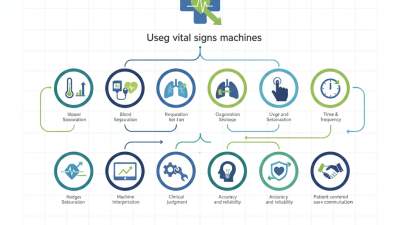
In today's healthcare landscape, the importance of monitoring vital signs cannot be overstated. A vital sign machine plays a crucial role in this process. Dr. Emily Yang, a renowned expert in medical technology, states, "Vital sign machines are the backbone of patient monitoring." These machines measure key parameters such as heart rate, blood pressure, and oxygen levels. They provide immediate feedback, helping healthcare professionals make informed decisions.
The functioning of a vital sign machine is both fascinating and complex. It employs sensors to collect data and displays it in real-time. However, there can be challenges. Calibration errors may occur, leading to inaccurate readings. Healthcare workers must remain vigilant and double-check results, especially in critical situations.
As vital sign machines evolve, they incorporate advanced technologies. Wireless capabilities and integration with electronic health records enhance their utility. Yet, reliance on technology can lead to complacency. It's vital not to overlook the human element in patient care. Therefore, while these machines are indispensable, healthcare providers must combine them with their expertise.
What is a Vital Sign Machine?
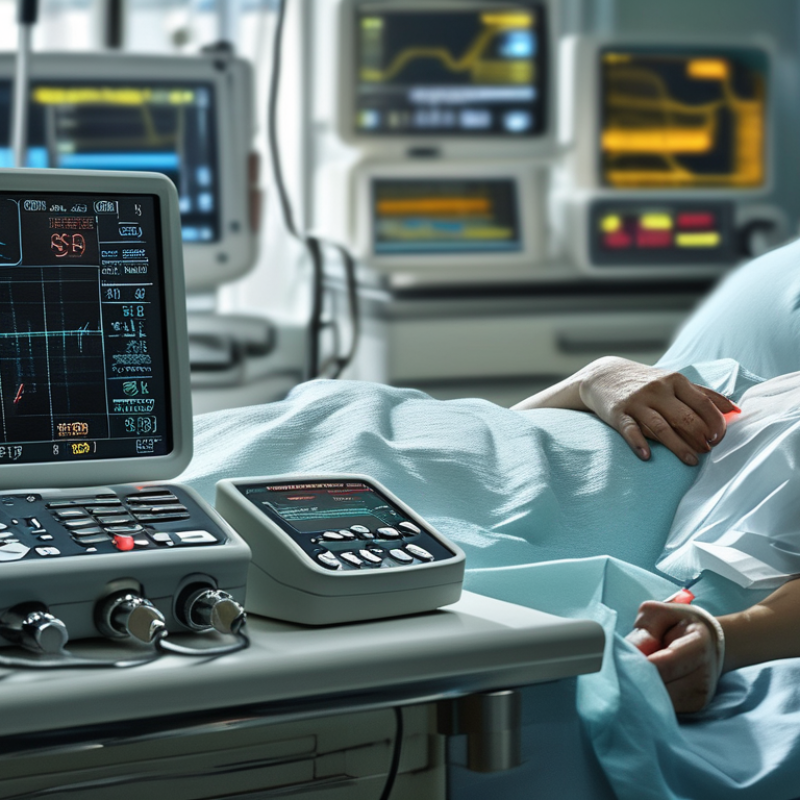
A vital sign machine is a critical tool in healthcare settings. It measures essential bodily functions to assess a patient's health. Common vital signs include heart rate, blood pressure, respiratory rate, and temperature. These measurements can provide immediate insights into a patient's condition.
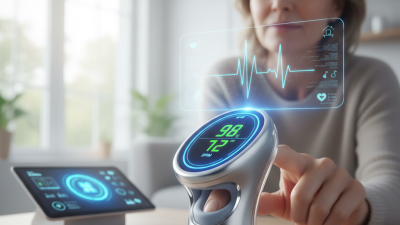
The machine typically uses sensors and monitors. For instance, a cuff inflates to measure blood pressure, while pulse oximeters clip onto fingers to check oxygen levels. The results are displayed digitally, allowing medical professionals to monitor changes quickly.
Tips: Regular calibration of the vital sign machine is important. Ensure the sensors are clean. This improves accuracy and reliability.
Understanding how to interpret the readings is crucial. A sudden spike or drop can indicate a need for immediate intervention. Training for healthcare workers is necessary, as human error can affect results.
Tips: Review vital sign charts frequently. This practice helps in recognizing trends over time. Also, communicate changes to the medical team promptly. This collaboration is vital for patient care.
Key Functions and Features of Vital Sign Machines
Vital sign machines are vital in healthcare. They monitor essential indicators, including heart rate, blood pressure, respiratory rate, and temperature. These machines are designed to provide real-time data, allowing healthcare professionals to track a patient's health status effectively. The reliability of this information is crucial for making informed decisions during patient care.
One of the key features of these machines is their ability to integrate multiple readings into one device. This consolidation saves time and effort for medical staff. The user interface is typically straightforward, making it easier even for non-experts to operate. However, errors can occur if not calibrated correctly. Misinterpretation of readings might happen, especially in complex cases. Therefore, continuous training for users is essential.
Moreover, vital sign machines often include alerts for abnormal readings. This feature enhances patient safety, as immediate action can be taken when necessary. However, false alarms can frustrate staff and may lead to desensitization. Regular maintenance and updates play a significant role in the machine's accuracy. Awareness of these issues is vital for improving overall patient care.
Vital Signs Monitoring: A Bar Chart Representation
How Does a Vital Sign Machine Measure Health Indicators?
A vital sign machine is essential in medical settings. It measures crucial health indicators, including heart rate, blood pressure, body temperature, and respiratory rate. These indicators provide insights into a patient’s overall health. Accurate measurements can aid in detecting abnormalities that require immediate attention.
How does a vital sign machine work? It uses sensors to record data. For instance, a pulse oximeter measures blood oxygen levels by passing light through a fingertip. Traditional blood pressure cuffs inflate to restrict blood flow, then gradually release. This process determines systolic and diastolic pressure. Data from these machines contributes to patient assessments in real time.
Tips: Regular calibration of the equipment is vital for accuracy. Ensure technicians understand how to operate these machines properly. Misreadings can lead to misdiagnosis. Additionally, consider patient variations that may influence readings. Stress or movement can affect measurements, sometimes making them less reliable. It’s crucial to interpret data in context, recognizing that vital signs are just one part of a broader clinical picture.
Vital Sign Machine Health Indicators
| Health Indicator |
Normal Range |
Measurement Unit |
Device Used |
| Heart Rate |
60 - 100 |
Beats per minute (BPM) |
ECG Monitor |
| Blood Pressure |
90/60 - 120/80 |
mmHg |
Sphygmomanometer |
| Respiratory Rate |
12 - 20 |
Breaths per minute |
Pulse Oximeter |
| Temperature |
97°F - 100.4°F |
Degrees Fahrenheit |
Digital Thermometer |
| Oxygen Saturation |
95% - 100% |
Percentage (%) |
Pulse Oximeter |
Types of Vital Sign Machines and Their Applications
Vital sign machines are essential tools in healthcare, measuring critical parameters like heart rate, blood pressure, and body temperature. These machines often come in various types, each serving specific purposes. For instance, portable vital sign monitors are widely used in ambulances. They provide immediate data to paramedics during transport.
In hospitals, multi-parameter monitors are standard in intensive care units. They track several vitals continuously, ensuring timely intervention if abnormalities arise. Pulse oximeters, another common type, measure oxygen saturation. They are crucial for patients with respiratory issues. Despite their importance, not all devices are user-friendly or precise. Some require frequent calibration, leading to potential errors.
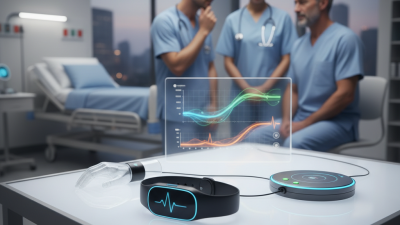
Wearable technology is on the rise, offering innovative solutions outside traditional settings. Smartwatches can track heart rates and activity levels, contributing to preventive care. However, these aren't replacements for clinical devices. They lack precision and may not be suitable for everyone. More research is needed to enhance their reliability. Vital sign machines must continue to evolve, ensuring accuracy and accessibility across all demographics.
The Importance of Vital Signs in Patient Monitoring and Care
Vital signs are critical indicators of a patient's health. They include heart rate, blood pressure, respiratory rate, and temperature. Monitoring these signs can provide immediate insights into a patient's condition. A vital sign machine collects this data, ensuring timely and precise measurements. Healthcare providers rely on this information to make informed decisions about patient care.
Continuous monitoring of vital signs can be lifesaving. For example, a sudden change in heart rate might indicate a brewing complication. The machine alerts staff to act quickly. This ability to respond instantly is crucial in acute care settings. However, there can be limitations. Machines can malfunction or provide false readings. Human judgment remains vital in interpreting the data.
In chronic care management, tracking vital signs over time offers a broader view of a patient’s health trajectory. It helps in understanding patterns and making adjustments to treatment plans. Yet, reliance on technology must be balanced with personal interaction. Patients sometimes feel detached when too much emphasis is placed on machines. Integrating human care with technology leads to a more holistic approach in patient monitoring.