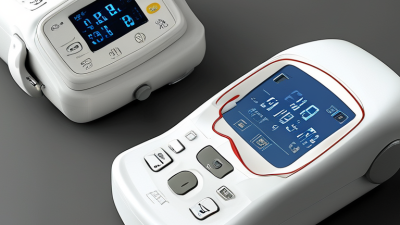
China Top Capnography Monitor Manufacturers and Suppliers
China has become an important sourcing center for capnography monitor manufacturers and suppliers. Its market includes compact bedside units, transport monitors, anesthesia systems, and emergency-care devices. Yet a polished product image proves very little.
A reliable capnography monitor should display clear EtCO₂ values and recognizable waveforms. Response time matters during ventilation changes. So do sampling accuracy, alarm settings, battery life, and sensor durability. Sidestream systems may suit transport use, while mainstream designs can reduce sampling delay. Buyers should also examine calibration procedures, software stability, consumable availability, and technical support.
“Capnography is the continuous, noninvasive measurement of exhaled carbon dioxide,” explained Dr. John W. Severinghaus, a respected authority in respiratory monitoring. His statement remains practical. A number alone cannot show the full respiratory picture.
This guide reviews China’s leading capnography monitor manufacturers and suppliers through an evidence-based lens. It considers manufacturing experience, clinical applications, quality systems, certifications, and after-sales service. Factory audits, sample testing, and document verification deserve attention. They can reveal weaknesses hidden by attractive quotations.
Some suppliers may offer excellent hardware but limited international support. Others may provide strong service but fewer configuration options. That trade-off deserves honest discussion. Product selection is rarely perfect.
The right supplier should match the intended setting, patient population, workflow, and regulatory requirements. Hospital buyers, distributors, and medical-equipment integrators need dependable evidence. This overview aims to support that process with practical comparisons, careful judgment, and room for further verification.
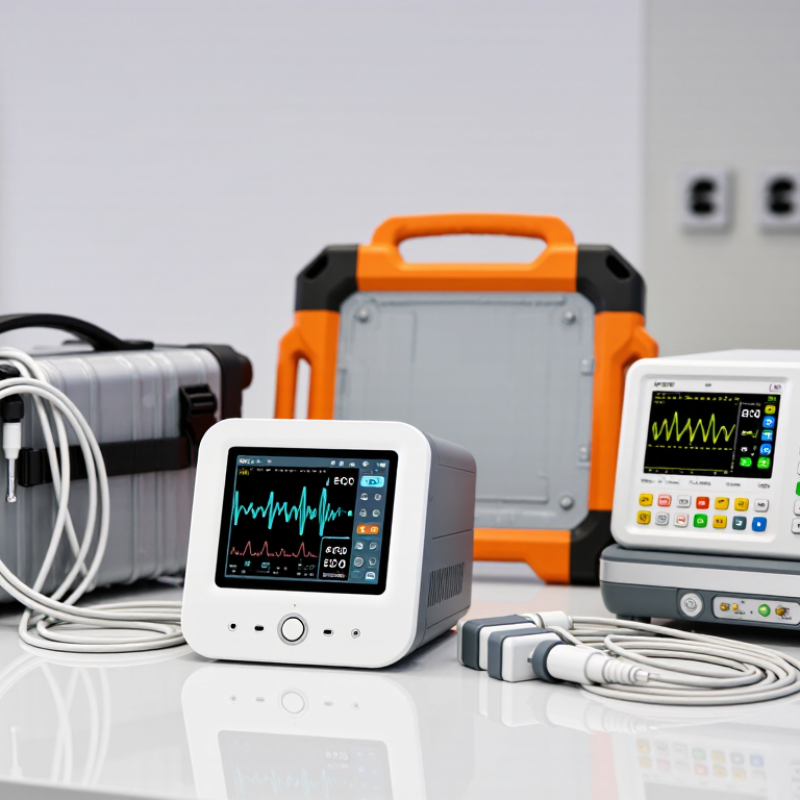
What Is a Capnography Monitor?
What Is a Capnography Monitor?
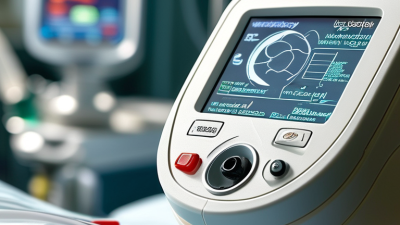
A capnography monitor measures exhaled carbon dioxide, or EtCO₂, throughout breathing. It displays a numerical reading and a waveform called a capnogram. In a recovery bay, the monitor can show a flat trace when a breathing circuit disconnects. It may also reveal slow, shallow breaths before oxygen saturation changes.
The device uses infrared technology to analyze carbon dioxide in each exhaled breath. Key measurements include EtCO₂, respiratory rate, and the inspiratory CO₂ level.
The International Organization for Standardization identifies capnography as an important method for monitoring ventilation during anesthesia and respiratory care. A 2023 MarketsandMarkets report estimated the global capnography devices market at about USD 0.7 billion, with continued growth expected through 2028. Such figures vary by research method, so they should not be treated as clinical evidence.
Capnography differs from pulse oximetry. Pulse oximetry reflects oxygen saturation, while capnography evaluates ventilation more directly. This difference matters during sedation, transport, and mechanical ventilation. The waveform can suggest airway obstruction, rebreathing, or an incorrectly placed sampling line. Still, the monitor is not infallible. Water, secretions, leaks, and poor sensor placement can distort readings. A low EtCO₂ value may indicate hyperventilation, reduced circulation, or a technical problem. Clinicians must interpret the number beside the patient, not in isolation. That practical judgment remains easy to underestimate.
How Capnography Monitoring Works
China Top Capnography Monitor Manufacturers and Suppliers
How Capnography Monitoring Works
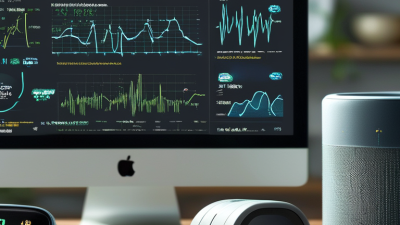
A capnography monitor measures carbon dioxide in a patient’s exhaled breath. It displays the reading as a number and a continuous waveform. The sensor uses infrared light to identify CO2 molecules. Each breath creates a changing pattern on the screen. Clinicians can observe respiratory rate, end-tidal CO2, and waveform shape together. This gives more detail than oxygen saturation alone.
There are two common designs. Mainstream systems measure gas near the airway, while sidestream systems draw a small sample through tubing. Mainstream monitoring can respond quickly. Sidestream monitoring offers flexible placement but may face delays or blocked sampling lines. Moisture, secretions, loose connections, and poor positioning can distort readings. A reliable supplier should explain sensor care, calibration needs, alarm settings, and service support clearly. Technical specifications matter, but practical training matters too. Numbers can look precise.
Tips: Check the waveform, not only the displayed value. Confirm the sampling line remains open. Compare unexpected changes with the patient’s breathing and clinical condition. A flat waveform may indicate apnea, disconnection, or equipment failure. It should not be interpreted automatically. Even experienced teams can miss a small leak during busy procedures. Regular checks and thoughtful review help reduce that risk.
Leading Capnography Monitor Manufacturers in China
China’s leading capnography monitor manufacturers combine medical engineering with practical production experience. They develop side-stream and mainstream systems for operating rooms, intensive care units, ambulances, and respiratory assessment areas. Experienced teams study waveform stability, sampling speed, alarm accuracy, and display readability before final assembly.
A reliable manufacturer uses controlled calibration procedures and traceable testing equipment. Technicians may check carbon dioxide readings against reference gases at different concentrations. They also inspect sampling lines, water traps, connectors, batteries, and screen response. Small details matter. A loose connector can distort a useful reading. Good suppliers provide technical documents, operator training, maintenance guidance, and responsive after-sales communication. These services often reveal more than a polished product catalogue.
Leading Chinese suppliers increasingly support OEM and ODM cooperation, while maintaining documented quality systems and product traceability. Buyers should review verification records, software updates, warranty terms, and regional compliance requirements before ordering. Factory visits or live demonstrations can help confirm production capacity and service quality. Yet no manufacturer gets every detail right. Some interfaces remain less intuitive, and supplier claims may need independent checking. That gap matters. Careful hospitals and distributors compare real test results, not only advertised specifications.
How to Select a Reliable Chinese Supplier
Selecting a reliable Chinese capnography monitor supplier requires more than comparing quotations. A 2024 MarketsandMarkets report forecasts the capnography equipment market to grow at over 9% annually, increasing pressure on manufacturers and buyers. Request a complete technical file, including accuracy data, alarm limits, sampling flow, battery performance, and maintenance instructions. Suppliers should explain compliance with ISO 80601-2-55, which defines safety and essential performance requirements for respiratory gas monitors.
Ask for traceable test records, not polished screenshots. Confirm whether calibration uses certified gas mixtures and whether each device receives a serial-numbered inspection report. An experienced supplier should also provide samples for verification under changing respiratory rates, condensation, and low end-tidal carbon dioxide levels. Request independent laboratory reports where possible. Factory audits matter. Check production controls, software version management, complaint handling, and spare-parts availability. A video tour helps, but it is not proof.
Delivery history deserves equal attention. Review at least three recent export references, response times, warranty terms, and failure-replacement procedures. The supplier should identify the legal manufacturer and authorized quality representative clearly. Be cautious when a sales team avoids clinical questions or promises unusually short certification timelines. I have seen low prices conceal weak sensor consistency and expensive after-sales delays. That lesson is uncomfortable, but useful. Supplier selection should balance measured performance, documentation quality, field support, and total ownership cost.