
What Are the Top 10 Remote Patient Monitoring Solutions?
Remote patient monitoring solutions have moved beyond small pilot programs into everyday clinical care. They help clinicians observe patients between appointments, especially those managing diabetes, hypertension, heart failure, or respiratory conditions. A home blood pressure cuff can reveal morning changes that remain invisible during a short clinic visit. A connected pulse oximeter may also identify concerning trends before symptoms become severe.
However, the “best” solution depends on clinical goals, patient abilities, workflow, and available support. No ranking is flawless. Some platforms offer advanced dashboards but create excessive alerts for busy care teams. Others provide simple devices yet deliver more consistent patient use. This overview examines ten leading options through practical and evidence-informed criteria, including device accuracy, data security, interoperability, accessibility, clinician response tools, and patient experience. Regulatory clearance and privacy requirements can differ by region, so buyers should verify current documentation before adoption. Real-world performance matters more than impressive demonstrations. Look beyond the sales presentation.
The strongest platforms usually make daily monitoring feel manageable. Patients should understand how to measure correctly, charge devices, and respond when readings seem unusual. Clinicians need clear thresholds, reliable notifications, and records that fit existing systems. Evidence quality also varies across conditions and populations, which deserves honest consideration. These solutions can improve continuity of care, but they cannot replace clinical judgment, emergency services, or meaningful communication. We will compare their strengths, limitations, ideal use cases, and potential implementation challenges. Expect useful differences, not a universal winner.
What Remote Patient Monitoring Solutions Are and How They Work
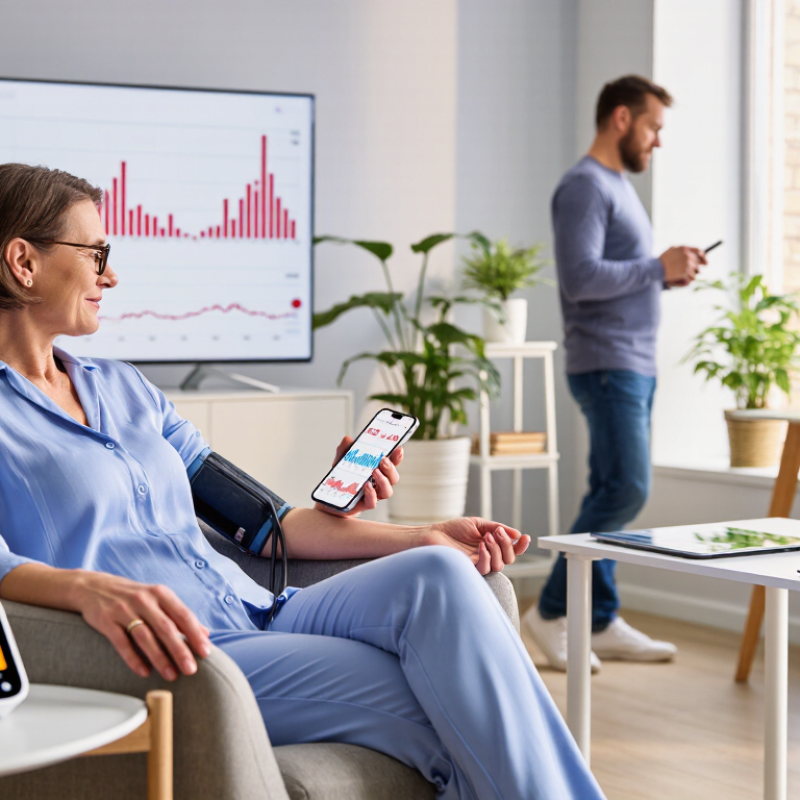
Remote patient monitoring solutions use connected devices and software to track health outside a clinic. Common options include blood pressure cuffs, glucose meters, weight scales, pulse oximeters, thermometers, and wearable sensors. These tools collect readings at home and send them through a secure application or hub. A clinical dashboard then organizes the information for authorized care teams.
The process is practical but not automatic. A patient measures blood pressure after breakfast, for example. The device records the result and transfers it to the monitoring platform. If several readings exceed a clinician-set range, the system may create an alert. A qualified professional reviews the trend, contacts the patient, and decides whether follow-up is needed. This supports earlier intervention, especially for chronic conditions. However, no system is flawless. Poor device placement, weak internet access, or missed measurements can distort the picture. One abnormal reading should not replace clinical judgment.
Tips: Choose devices that patients can operate comfortably. Confirm correct placement during onboarding. Set alert thresholds with clinical guidance, not convenience. Explain who reviews the data and when patients should call directly. Keep instructions simple. Review trends, not isolated numbers. It is also worth checking whether patients understand consent, privacy, and data-sharing practices. A technically advanced solution may still fail if it feels confusing at home. Feedback from patients can reveal those gaps, sometimes uncomfortably.
| Rank | Remote Monitoring Solution | Typical Devices and Sensors | Primary Data Collected | How It Works | Common Clinical Uses | Key Consideration |
|---|---|---|---|---|---|---|
| 1 | Connected Blood Pressure Monitoring | Bluetooth or cellular blood pressure cuff; optional pulse sensor | Systolic pressure, diastolic pressure, pulse rate, measurement time | The patient takes readings at scheduled intervals. Results are transmitted to a secure clinical dashboard, where care teams review trends and configure threshold alerts. | Hypertension Heart failure follow-up Post-discharge care |
Cuff size, correct positioning, and measurement technique strongly affect accuracy. |
| 2 | Continuous or Intermittent Glucose Monitoring | Wearable glucose sensor or connected blood glucose meter | Glucose concentration, time in range, high and low glucose events, testing frequency | A sensor or meter records glucose values and sends them to a mobile application or monitoring platform. Clinicians use trends to support treatment adjustments and patient education. | Diabetes Medication management Gestational diabetes support |
Sensor wear time, calibration requirements, and patient training must be managed. |
| 3 | Pulse Oximetry Monitoring | Fingertip or wearable pulse oximeter | Oxygen saturation, pulse rate, measurement time, optional respiratory rate | Patients record readings at rest or during activity. The system identifies values outside the care plan and can notify the patient or clinical team for follow-up. | Respiratory disease Recovery after illness Sleep-related monitoring |
Cold fingers, motion, poor circulation, and nail coverings can reduce reading reliability. |
| 4 | Connected Weight Monitoring | Digital body-weight scale; optional body-composition sensors | Body weight, weight change over time, measurement frequency | Daily or scheduled weights are transferred automatically. Sudden changes can be reviewed alongside symptoms, medication information, and other vital signs. | Heart failure Kidney disease Postoperative recovery |
Consistent timing, clothing, footwear, and scale placement improve trend quality. |
| 5 | Connected Temperature Monitoring | Digital thermometer; wearable temperature sensor | Body temperature, measurement time, temperature trend | Patients submit readings through a connected device or application. Persistent or clinically significant changes are escalated according to a predefined protocol. | Infection surveillance Postoperative care Chronic disease monitoring |
Measurement site and device type should remain consistent for meaningful comparisons. |
| 6 | Cardiac Rhythm Monitoring | Wearable electrocardiogram sensor, event monitor, or patch monitor | Heart rhythm, heart rate, rhythm irregularities, symptom-linked events | The device records continuous or patient-triggered cardiac signals. Authorized clinicians review automated detections and confirm clinically relevant events. | Arrhythmia Atrial fibrillation assessment Palpitations and syncope |
Automated alerts require clinical verification because artifacts can resemble abnormal rhythms. |
| 7 | Respiratory Rate and Lung Function Monitoring | Connected spirometer, respiratory belt, airflow sensor, or wearable monitor | Respiratory rate, airflow, lung-volume measures, breathing-pattern changes | Patients complete scheduled breathing tests or wear a sensor during daily activities. The platform compares results with personal baselines and care-plan thresholds. | Asthma COPD Respiratory rehabilitation |
Correct technique and repeated measurements are essential for interpreting lung-function trends. |
| 8 | Activity and Mobility Monitoring | Activity tracker, accelerometer, pedometer, or gait sensor | Steps, activity duration, sedentary time, gait speed, movement patterns | Wearable sensors collect activity data and present daily or weekly trends. Care teams use the information to support rehabilitation goals and identify functional decline. | Rehabilitation Fall-risk assessment Chronic care support |
Wear location, adherence, and differences in daily routines can influence the data. |
| 9 | Medication Adherence and Symptom Monitoring | Medication reminder device, smart dispenser, mobile application, digital questionnaire | Dose confirmations, missed doses, side effects, symptom scores, patient-reported outcomes | Patients confirm medication use and complete symptom surveys. Rules-based workflows identify missed doses or worsening symptoms for education or clinical review. | Long-term therapy Behavioral health Complex medication regimens |
A recorded dose confirmation does not always prove that medication was taken correctly. |
| 10 | Multi-Parameter Remote Patient Monitoring | Combination of blood pressure cuff, scale, pulse oximeter, thermometer, glucose meter, or wearable sensors | Multiple vital signs, symptoms, activity data, adherence information, and longitudinal trends | Data from several sources are integrated into one dashboard. Risk rules combine measurements and patient-reported information to prioritize outreach and care coordination. | Complex chronic care Hospital-at-home programs High-risk post-discharge care |
Interoperability, alert prioritization, patient support, and staffing capacity are critical for safe operation. |
Related Posts
-
Top 10 Remote Patient Monitoring Solutions for Global Buyers
-
China Top 10 Remote Patient Monitoring System Suppliers?
-
2026 Top Types of Capnography Monitors for Global Buyers
-
10 Best Finger Oximeters for Accurate Health Monitoring in 2026?
-
2026 Best Remote Patient Monitoring Software for Effective Healthcare Solutions?
-
How to Choose the Best Oxygen Saturation Monitor