Choosing the best pulse oximeter starts with a simple question: will it give dependable readings in your real setting? A fingertip device used at home should fit comfortably, show clear numbers, and be easy to operate when you feel unwell. Dr. William Maisel, a cardiologist and former senior FDA medical-device official, is a useful expert to keep in mind when weighing device claims. The FDA’s caution is direct: “Pulse oximeters have limitations and a risk of inaccuracy under certain circumstances.” A reading is an estimate, not a diagnosis.
Look beyond a bright display. Check whether the model is intended for your use, how it handles low readings, and whether its instructions explain measurement limits. Cold fingers, movement, poor circulation, and nail polish can affect results. Skin pigmentation may also influence accuracy, so a reassuring number should not outweigh concerning symptoms. Small details matter: a snug finger chamber, readable digits, and a steady signal can make routine checks less frustrating.
The guide will compare accuracy claims, comfort, display design, alarms, battery life, and ease of use. It will also explain how to take a reading consistently: warm your hand, sit still, and wait for the number to settle. No device is perfect. If readings seem unusual, repeat the measurement and follow advice from a qualified healthcare professional. A pulse oximeter can support monitoring, but it cannot replace clinical judgment.
Understand How Pulse Oximeters Measure Blood Oxygen
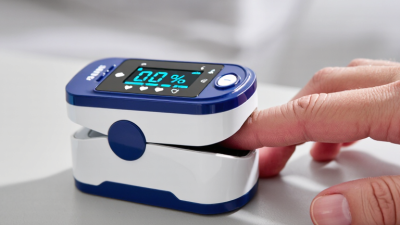
A pulse oximeter estimates how much oxygen your blood carries. It does not draw blood. A small clip sends red and near-infrared light through a fingertip. A sensor measures how much light passes through or returns from the tissue. Oxygenated and deoxygenated hemoglobin absorb these wavelengths differently. With each heartbeat, blood volume in the finger changes, altering the light signal. The device compares those changes and uses an algorithm to estimate oxygen saturation, called SpO2, and pulse rate. Not a direct test.
For a steadier reading, fit the clip snugly and keep your hand warm and still for several seconds. Movement, cold fingers, poor circulation, nail products, or bright light may distort results. Still, numbers can wobble. Skin pigmentation can also affect accuracy in some devices, so symptoms matter alongside the display. The reading is an estimate, not an explanation of why oxygen may be low. If a result seems unusual, check the fit and repeat it. Seek medical advice promptly for concerning symptoms rather than waiting for a perfect number.
Identify Your Intended Use and User Requirements
How to Choose the Best Pulse Oximeter?
Start by identifying who will use the pulse oximeter and why. Someone monitoring a clinician-recommended condition at home may need a clear display and consistent readings. A caregiver may prefer large numbers and simple controls, especially in dim light. For a child, check that the sensor fits the child’s finger; an adult-sized clip may not sit securely. Think about where readings will happen, too: bedside, during travel, or in a clinic. It is tempting to focus on extra features, but basic fit and ease of use matter more.
Tips: Check the device’s stated finger-size range and instructions. Keep hands warm and still during a reading. Nail polish, movement, and poor circulation can affect results. Wait for a stable reading, rather than relying on one quick flash.
Decide what information you need to see, such as oxygen saturation and pulse rate, and whether the display is easy to read without glasses. If several people will use it, consider cleaning guidance and whether each person can position the sensor correctly. A pulse oximeter estimates blood oxygen; it does not explain why a reading is unusual or replace medical advice. Readings can vary with the device and the person, so discuss suitable thresholds with a healthcare professional. I would not choose by price or feature count alone; that is an easy detail to overvalue.
Compare Accuracy, Display, Fit, and Ease of Use
A pulse oximeter is only useful when its reading is reasonably accurate. Look for documented clinical validation against arterial blood measurements, not just a claim of precision on the package. The FDA’s 2021 safety communication notes that poor circulation, skin temperature, skin pigmentation, and nail polish can affect readings. A 2020 study in the New England Journal of Medicine found occult hypoxemia in 11.7% of measurements from Black patients, compared with 3.6% from White patients, when pulse oximeter readings were 92% to 96%. The study involved hospitalized patients, so those figures do not predict an individual device’s performance at home. Still, they are a reason to treat a single number with care.
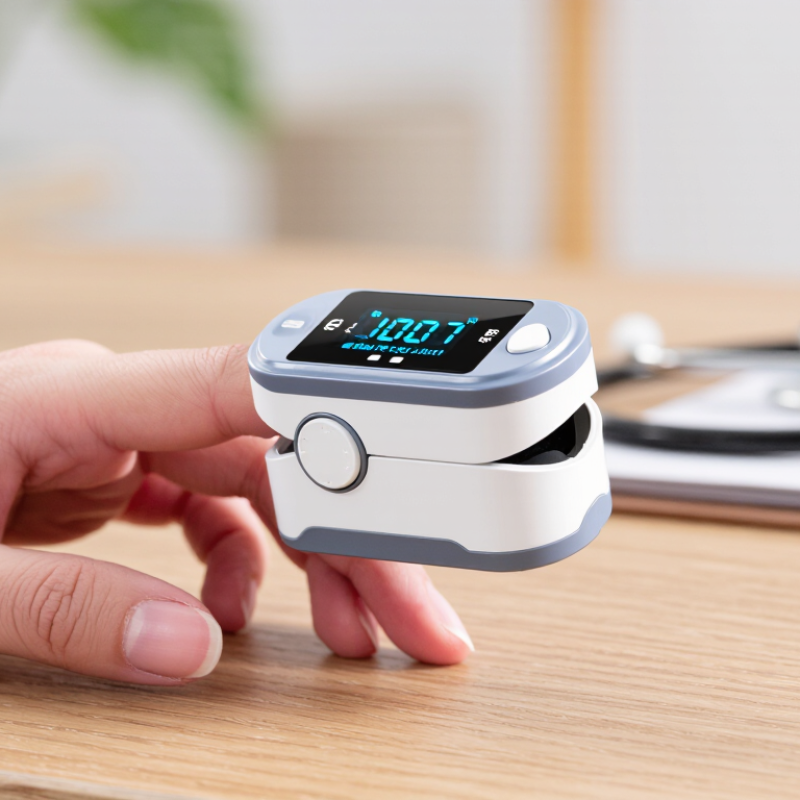
Check the display in the room where you will use it. Large, high-contrast digits and a clear pulse reading are easier to read at a glance, especially in dim light. Fit matters too: the clip should sit securely on the fingertip without pinching, and the screen should remain visible when your hand rests on a table. For steadier readings, warm cold hands, sit still, and wait for the number to settle. Small details count. A simple interface helps, but it cannot guarantee accuracy. Compare repeat readings and follow medical advice if a result conflicts with symptoms; a home oximeter does not diagnose a condition.
Check Safety Features and Regulatory Approval
How to Choose the Best Pulse Oximeter?
Check Safety Features and Regulatory Approval
A pulse oximeter is useful only when its readings are interpreted carefully. Check the packaging and instructions for the device’s intended use, such as home spot checks or continuous monitoring. Look for regulatory authorization or clearance appropriate to your country and the stated use. Verify the device in an official regulator database when possible; a seller’s claim alone is not proof. Details can be easy to miss.
Safety features matter, but they cannot make every reading reliable. Cold fingers, movement, nail products, and poor circulation may affect results. Some devices may also be less accurate for certain skin tones. Follow the instructions, keep your hand still, and warm cold fingers before measuring. If a reading seems unusual, repeat it and consider how the person feels. An oximeter does not diagnose a condition or replace medical advice. It is tempting to trust a precise-looking number; it is still only one piece of information.
Choose a Model and Learn How to Use It Properly
Choose a fingertip model designed for your intended use, with a clear display, secure fit, and published accuracy testing. Look for documentation aligned with ISO 80601-2-61, rather than relying only on package claims. A simple device is often easier to use consistently. That matters.
A 2021 New England Journal of Medicine study by Sjoding and colleagues found occult hypoxemia—arterial oxygen saturation below 88% despite pulse oximeter readings of 92–96%—in 11.7% of Black patients and 3.6% of White patients. The study examined hospital patients, not consumer devices, but it highlights how readings can be less reliable across different skin pigmentation.
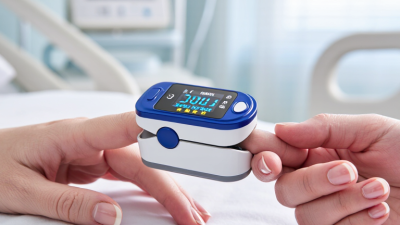
Before measuring, rest for five minutes, warm a cold hand, and remove dark nail polish if possible. Sit still, place the sensor fully on a finger, and wait for the reading to settle. Record both oxygen saturation and pulse; repeat an unexpected result after a few minutes. Movement, poor circulation, cold skin, and fit can affect readings.
It is easy to trust a number too quickly. Treat it as one clue, not a diagnosis, and follow your clinician’s advice. Seek urgent medical help for severe breathlessness, blue lips, confusion, or worsening symptoms, even if the display looks reassuring.