What Is the Best Finger Pulse Oximeter in 2026?
Choosing the best finger pulse oximeter in 2026 means looking beyond a bright screen and a low price. At a bedside, a reading of 92% can appear exact, but the device estimates oxygen saturation and pulse rate. A warm, still hand may produce a steadier result than cold fingers or a trembling grip. Small details matter.
The U.S. Food and Drug Administration’s 2021 safety communication warns that circulation, skin pigmentation, skin temperature, tobacco use, and nail polish can affect readings. The warning is important because a displayed number is not a diagnosis. Grand View Research’s Pulse Oximeter Market Size, Share & Trends Analysis Report tracks growth in the wider pulse oximeter market, reflecting rising interest in home monitoring. Market growth, however, does not prove that one model is more accurate than another.
This guide compares finger pulse oximeter options using practical criteria: stated accuracy, ease of use, display readability, fit, and clear product information. It also considers how quickly a device settles on a reading and whether results are consistent across repeat checks. No gadget is perfect. That deserves saying plainly. When comparing products, readers should check each model’s intended use and consult a healthcare professional about concerning symptoms or unexpected readings. A dependable choice should make measurement easier, not replace sound medical judgment.
How Finger Pulse Oximeters Measure Blood Oxygen and Pulse Rate
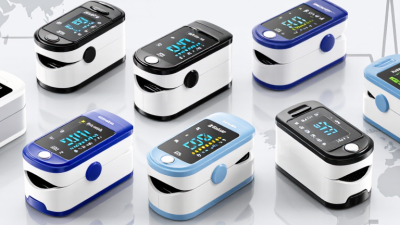
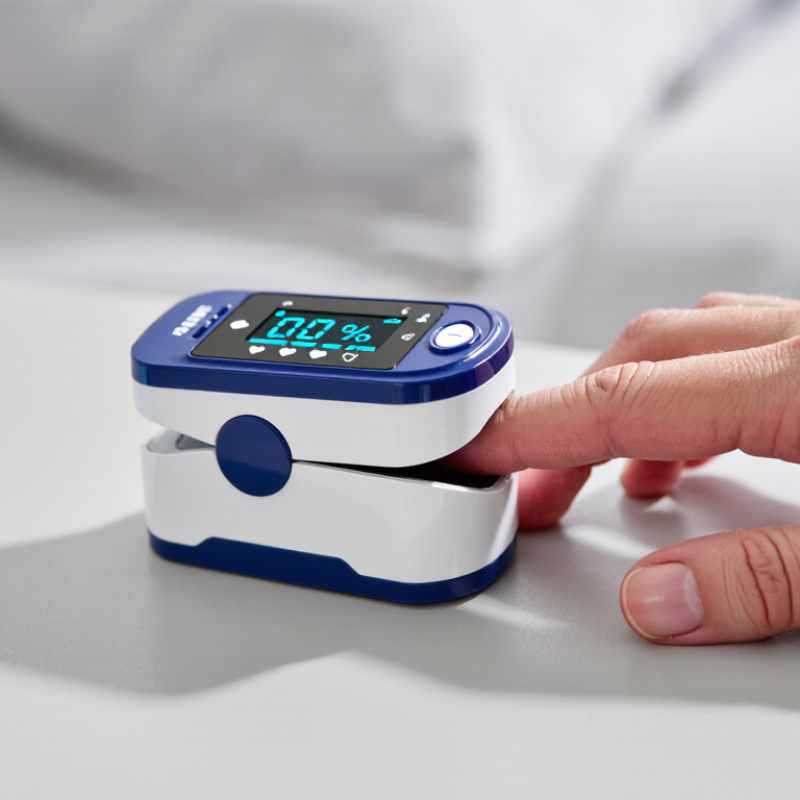
A finger pulse oximeter estimates blood oxygen saturation, or SpO2, using light. Inside the clip, red and infrared LEDs shine through a fingertip toward a sensor. Oxygen-rich and oxygen-poor blood absorb these wavelengths differently. With each heartbeat, arterial blood volume briefly changes, altering the light that reaches the sensor. The device analyzes that pulsing signal to estimate SpO2 and pulse rate. It does not draw blood or measure oxygen directly. A small screen may show both numbers within seconds.
Technique matters. Warm your hand, sit still, and rest it near heart level while the device takes a reading. Cold fingers, movement, poor circulation, bright light, or nail products can interfere with the signal. Skin pigmentation may also affect accuracy in some devices, so a reassuring number should not override concerning symptoms. Readings can vary between fingers and devices, too. That’s frustrating, and worth remembering. For a clearer result, wait until the numbers settle and repeat the measurement. When comparing finger pulse oximeters in 2026, look for readable displays, a secure fit, clear instructions, and stated accuracy information. Use the reading as one piece of information, not a diagnosis.
What “Best” Means for a Finger Pulse Oximeter in 2026
“What Is the Best Finger Pulse Oximeter in 2026?” depends less on a feature list than on whether the device gives dependable readings in ordinary conditions. A useful model should fit comfortably, display oxygen saturation and pulse clearly, and explain how to take a measurement. Look for published accuracy information and instructions that are easy to follow. A bright screen is helpful in a dim room, but it cannot make an unreliable reading trustworthy.
Small details matter. Cold fingers, movement, poor circulation, and nail products can affect results. Sit still, warm your hand, and wait for the numbers to settle before recording them. If the display jumps around, try another finger rather than treating one number as certain. That can mislead. Readings may also be less accurate for some people, including across different skin tones, so a normal-looking result should not outweigh concerning symptoms.
Comfort and repeatability count, too. A clip that pinches may be difficult to use consistently, while a clear screen helps when checking readings over time. Consumer devices estimate oxygen levels; they do not diagnose illness. Not always. Even careful use leaves room for error, and that is worth admitting. Choose a device with transparent testing details, then follow a healthcare professional’s advice when readings or symptoms cause concern.
Which Features and Accuracy Factors Matter Most
Choosing the best finger pulse oximeter in 2026 means looking beyond a bright screen or a low price. Check whether the device has been independently tested against recognized performance standards. Its stated accuracy should apply across relevant oxygen and pulse ranges, not just ideal conditions. A clear display, readable digits, and a useful low-battery warning also matter. Small details matter. A precise-looking number is not automatically a reliable one.
Tips: Warm your hand, remove dark nail polish if possible, and sit still while measuring. Place the sensor on a clean finger and wait for the reading to settle. If the result seems unusual, repeat it on another finger after a short rest. Cold hands, movement, poor circulation, and a loose fit can affect readings. I would not trust one quick measurement alone; context matters.
Compare the displayed pulse rate with how you feel, and note whether readings stay consistent over time. A device may perform differently across skin tones or under low-perfusion conditions, so look for transparent testing information. Home oximeters estimate oxygen saturation; they do not diagnose the cause of a problem. If readings remain concerning or symptoms worsen, contact a healthcare professional rather than relying on the device alone. That limit is easy to forget.
How Different Oximeter Types Suit Different Users
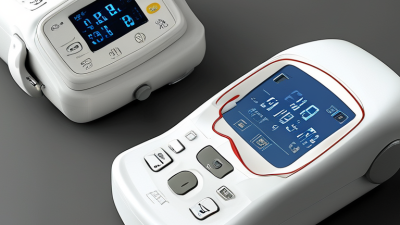
A fingertip clip suits occasional home checks: it is compact, quick to apply, and easy to keep beside a thermometer. Handheld units with a separate finger probe can be easier for caregivers to position, especially when a user has limited dexterity or needs repeated readings. Wearable designs may help track patterns over time, but motion, loose fit, and device validation matter. Fit matters. A trend is not a diagnosis.
Choose for the task, not the feature list. For example, a caregiver checking an older adult may value a large display and a stable probe more than Bluetooth. In a 2020 New England Journal of Medicine study, occult low oxygen readings were more common for Black patients than White patients in two hospital cohorts: 11.7% versus 3.6%, and 17.0% versus 6.2%. The study concerned hospital measurements, not every home device, but it is a reason to treat borderline readings cautiously. The FDA also notes that circulation, skin temperature, skin pigmentation, and nail polish can affect results. If a reading conflicts with symptoms, repeat it with warm hands and a secure fit, then seek clinical advice rather than relying on the number alone. I would not assume a newer wearable is automatically better.
What Is the Best Finger Pulse Oximeter in 2026?
How different pulse oximeter types suit different users
Fingertip models are generally convenient for quick home spot checks; handheld and bedside devices are designed for clinical workflows, while some wrist-worn systems support ongoing tracking. Scores are qualitative form-factor comparisons—not measured accuracy ratings—and capabilities vary by model. Pulse oximeter readings can be affected by factors such as circulation, movement, skin pigmentation, and nail products. Follow medical advice when interpreting readings.
How to Choose, Use, and Care for a Finger Pulse Oximeter
What Is the Best Finger Pulse Oximeter in 2026?
Choosing a finger pulse oximeter is about fit, readability, and clear instructions—not a crowded feature list. Look for a display you can read easily and a clip that sits securely without pinching. Check that the device is intended for fingertip use and explains how to interpret its readings. A pulse oximeter estimates blood oxygen saturation and pulse rate; it does not diagnose a condition. Readings can be affected by cold hands, movement, poor circulation, nail polish, and skin pigmentation. One number is not the whole story.
Tips: Rest quietly for a few minutes. Warm your hand, remove dark nail polish if possible, and keep your finger still. Wait for the display to settle, then record the reading and time. If the result seems unusual, repeat it once under steady conditions.
For care, follow the device’s cleaning instructions and wipe the sensor gently with a suitable soft cloth. Do not soak it or use harsh cleaners unless the instructions allow them. Store it dry, protect the clip from knocks, and replace batteries when readings or display behavior become unreliable. I still find that even a careful check can produce an unexpected result. Compare readings with how you feel, and follow a clinician’s advice about your personal range. Seek medical help for severe or worsening symptoms, even if the display looks reassuring.