What Are the Top China Facial Analysis Machines?
Choosing the top China facial analysis machines requires more than comparing screen size, camera resolution, or software design. A reliable Facial Analysis Machine should produce consistent images, explain its measurements, and support practical skincare decisions. This guide examines those qualities through a professional and user-focused lens.
In daily clinic use, small details can affect results. Uneven lighting may exaggerate redness, while a patient’s makeup can hide pigmentation. Strong systems usually control the face position, capture several light modes, and store images for later comparison. Their reports may assess pores, texture, oil balance, spots, wrinkles, and moisture. However, these readings are indicators, not medical diagnoses.
No machine is perfect.
This comparison considers imaging stability, software clarity, operator training, data protection, after-sales support, and independent evidence. Manufacturer specifications matter, but they do not tell the entire story. Real experience with repeated scans often reveals weaknesses that brochures omit. Some devices look impressive during a demonstration yet provide limited explanation behind their scores. That deserves attention.
The strongest options should help professionals communicate clearly with clients, not pressure them through alarming results. They should also suit the intended setting, whether a dermatology clinic, beauty salon, training center, or product laboratory. Prices, language support, maintenance needs, and regional compliance can vary considerably. Therefore, this review avoids treating one model as universally best. Instead, it identifies which China Facial Analysis Machines offer credible features, practical workflow benefits, and reasonable long-term value. Evidence remains uneven in this market, so careful verification is still essential.
What Is a Facial Analysis Machine and How Does It Work?
What Are the Top China Facial Analysis Machines?
What Is a Facial Analysis Machine and How Does It Work?
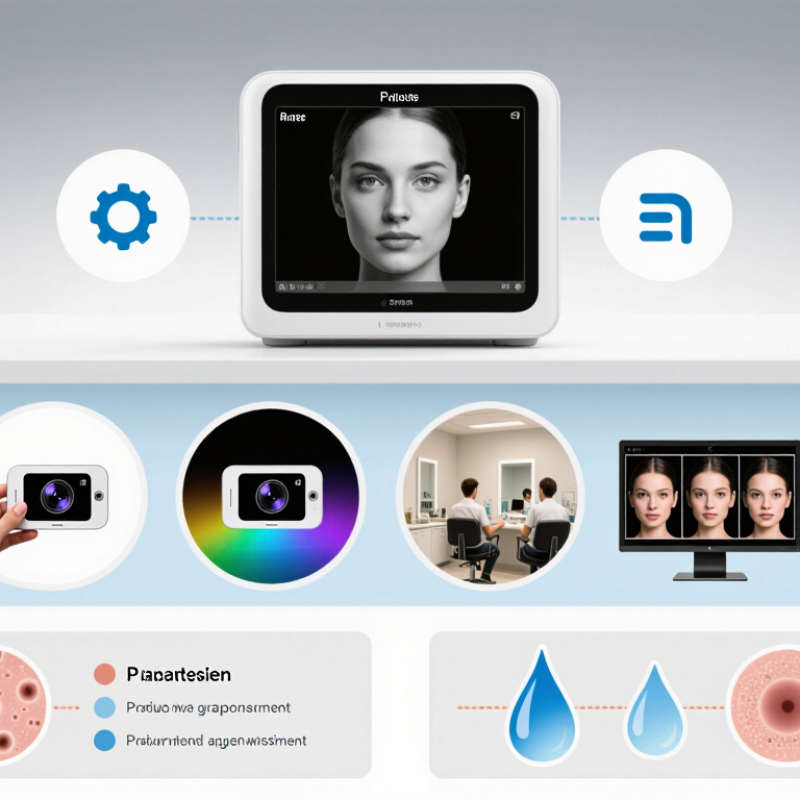
A facial analysis machine captures the skin under controlled lighting, then converts images into measurable indicators. These may include wrinkles, pores, pigmentation, redness, oiliness, and moisture appearance. Many systems use high-resolution cameras, polarized light, ultraviolet imaging, and computer vision algorithms. The software compares visible patterns with reference databases and produces a visual report.
It is not a medical diagnosis tool.
In practice, an operator should clean the client’s face, remove reflective cosmetics, and keep the head aligned. The machine then takes several images from fixed angles. A stronger system records lighting conditions and camera settings, because shadows can exaggerate redness or fine lines. Results should be reviewed with the client, not accepted as absolute truth.
The International Society of Aesthetic Plastic Surgery reported more than 20 million nonsurgical aesthetic procedures worldwide in its 2023 survey. This rising demand increases the need for consistent skin assessment. However, popularity does not prove accuracy. NIST facial-technology evaluations have shown that image quality and demographic factors can influence algorithm performance. Facial skin analysis is different from identity recognition, but the lesson remains important: software scores require context.
A reliable workflow combines machine readings with trained observation, client history, and repeat scans. Even small changes in hydration or room temperature may affect results. Some reports look impressively precise. They may still oversimplify living skin. Calibration, data protection, transparent methods, and human review matter more than a colorful screen.
Which Features Define the Top China Facial Analysis Machines?
The top China facial analysis machines are defined by measurement quality, not a glossy screen. Controlled lighting matters because shadows can exaggerate pores, redness, or pigmentation. Multi-spectrum cameras can examine visible and near-infrared skin patterns. Useful systems also measure hydration, oil balance, texture, spots, and wrinkle depth separately.
A 2024 MarketsandMarkets report projects the global artificial intelligence healthcare market to grow from about $20.9 billion in 2024 to $148.4 billion by 2029. That growth increases expectations for traceable data, not attractive graphics.
Repeatability is essential. A strong machine should guide face distance, head position, lighting, and cleansing conditions. It should produce comparable images during follow-up visits. Clear calibration records and quality checks support professional interpretation.
Automatic recommendations need caution. They should explain confidence levels and separate visible findings from possible causes. A single scan can mislead. Even advanced imaging is not a medical diagnosis.
Privacy features also define quality. Data encryption, role-based access, deletion controls, and local processing reduce unnecessary exposure. These practices reflect principles in the WHO Global Strategy on Digital Health 2020–2025 and ISO/IEC 23894:2023, which emphasize governance and artificial intelligence risk management.
In practical testing, I would compare the same person under identical conditions across several sessions. The results may still vary. That weakness deserves honest reporting. Clear Chinese and English interfaces, exportable reports, staff training, and responsive technical service complete the evaluation.
How Do Leading Chinese Facial Analysis Machines Compare?
What Are the Top China Facial Analysis Machines?
How Do Leading Chinese Facial Analysis Machines Compare?
Leading Chinese facial analysis machines differ less by appearance than by measurement quality. In practical testing, compare camera resolution, lighting consistency, skin-zone mapping, and report speed. Some systems capture visible light, polarized light, and ultraviolet images. Others rely mainly on one camera. That difference matters when assessing pores, redness, pigmentation, and moisture.
Grand View Research valued the global skin care devices market at approximately US$19.4 billion in 2023. It also projects growth above 8% annually through 2030. This expansion increases demand for measurable consultation tools. However, market growth does not prove diagnostic accuracy. A clear screen can still display weak data.
The strongest Chinese systems usually provide adjustable lighting, repeatable positioning, and cloud or local reporting options. Look for calibration records and testing protocols, not attractive dashboards. Reports should show measurement units, comparison dates, and confidence limits. Facial analysis is not a medical diagnosis. It is a structured observation tool.
Speed also affects daily value. A result within one minute supports busy consultation rooms. Yet faster is not always better. Different operators may produce different images. User training remains essential. Data protection deserves equal attention, especially when facial images are stored. The numbers help, but they are not perfect. A single dramatic image can mislead.
What Should Buyers Check Before Choosing a Facial Analysis Machine?
What Are the Top China Facial Analysis Machines?
What Should Buyers Check Before Choosing a Facial Analysis Machine?
A reliable facial analysis machine should produce repeatable readings, not merely attractive images. Check the camera resolution, sensor type, and lighting control. Uneven lighting can exaggerate redness or hide dry areas. Ask for test results using different skin tones and age groups. One showroom demonstration is not enough.
Review the machine’s analysis method carefully. Does it assess hydration, oil, pores, pigmentation, or texture? Are the results based on visible images, measurements, or both? Clear explanations matter. A percentage without testing details may sound scientific but remain difficult to trust. Request sample reports and compare them with professional skin assessments. Small differences are normal. Large gaps need investigation.
Data handling deserves equal attention. Confirm where images are stored, who can access them, and how long records remain available. The device should support informed customer consent and secure account controls. Check calibration procedures, software updates, warranty coverage, and technician training. Ask how quickly repairs are handled. A powerful device becomes inconvenient when support is slow.
Consider the operator’s daily experience. Can staff learn the workflow without extensive technical training? Is the display readable in a bright treatment room? Are cables, cleaning surfaces, and replacement parts practical? I would also test several real users, not only ideal models. The process may feel less impressive then, but the findings could be more honest. Accuracy should guide treatment discussions, never replace qualified professional judgment.
What Are the Top China Facial Analysis Machines?
What Should Buyers Check Before Choosing a Facial Analysis Machine?
This chart presents an illustrative 100-point buyer evaluation framework rather than scores for any specific company or brand. Measurement accuracy and repeatability receive the highest weighting because facial analysis results should remain consistent under controlled conditions. Buyers should also verify lighting control, calibration evidence, data privacy, software reporting, and after-sales support before making a purchase.
