Top Remote Monitoring Devices for Enhanced Security and Efficiency?
In today's rapidly evolving landscape, security and efficiency are top priorities. Remote monitoring devices play a crucial role in achieving these goals. They allow individuals and businesses to track activities, enhance safety, and streamline operations. These devices, whether cameras, sensors, or IoT gadgets, provide real-time insights that empower users to make informed decisions.
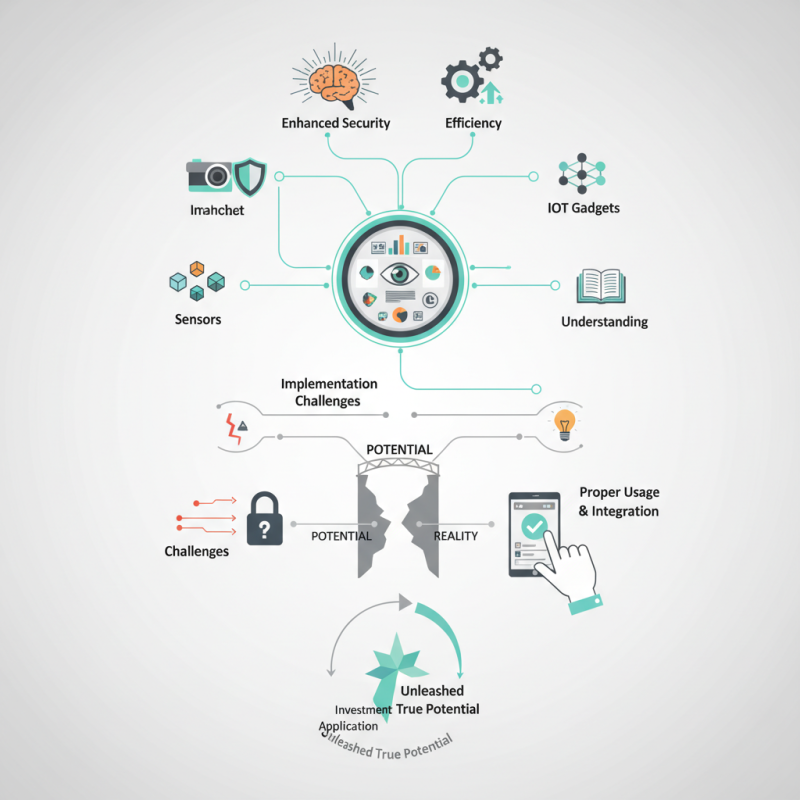
The rise of remote monitoring devices marks a significant shift in how we approach security. With user-friendly interfaces and advanced technology, these tools are accessible to various sectors. However, the effectiveness of these devices is not purely technology-driven. Implementation challenges and user understanding can impact their efficiency. The gap between potential and reality often lies in proper usage and integration.
Consider a smart camera that promises 24/7 surveillance. Users may overlook its features or fail to adjust settings, rendering it less effective. Such nuances highlight the importance of user engagement and learning. Investing in remote monitoring devices is essential, but recognizing their limitations is equally critical. Through mindful application and regular evaluation, their true potential can be unleashed.
Top Remote Monitoring Devices for Enhanced Security and Efficiency
In today's world, remote monitoring devices play a crucial role in maintaining security and efficiency. These devices offer real-time tracking, ensuring that both homes and businesses are protected from potential threats. Many options are available, ranging from surveillance cameras to environmental sensors. The key is to choose devices that suit your specific needs.
Installing a quality camera can deter intruders. These cameras provide
clear images and often include
night vision. However, they may require regular maintenance, like ensuring the lens is clean. Environmental sensors, on the other hand, monitor factors like temperature and humidity. This information helps in preventing damage from issues like
mold or overheating. Yet, these devices sometimes send false alarms due to minor changes in the environment.
Remote access is another vital feature of these devices. Users can monitor their properties from anywhere, providing peace of mind. However, this convenience can lead to over-reliance on technology. It might make some neglect regular physical checks of their premises. Balancing digital surveillance with traditional security practices is essential for
comprehensive protection.
Overview of Remote Monitoring Technology and Market Trends
Remote monitoring technology is reshaping the security landscape. It enables real-time surveillance through sensors and cameras. This shift allows managers to oversee operations from afar, boosting efficiency and enhancing safety measures. As more businesses adopt these systems, the market trends reveal a growing demand for integrated solutions.
These devices can monitor premises 24/7, providing consistent oversight.
While the benefits are significant, challenges exist. Many small businesses struggle with budget constraints. Integrating new technology can require training and adaptation. Some employees may resist changes, seeing them as intrusive. Additionally, concerns over data privacy have emerged. Users must be vigilant to ensure that sensitive information remains secure. Balancing convenience with security is an ongoing challenge in this rapidly evolving field.
Key Features and Benefits of Remote Monitoring Devices
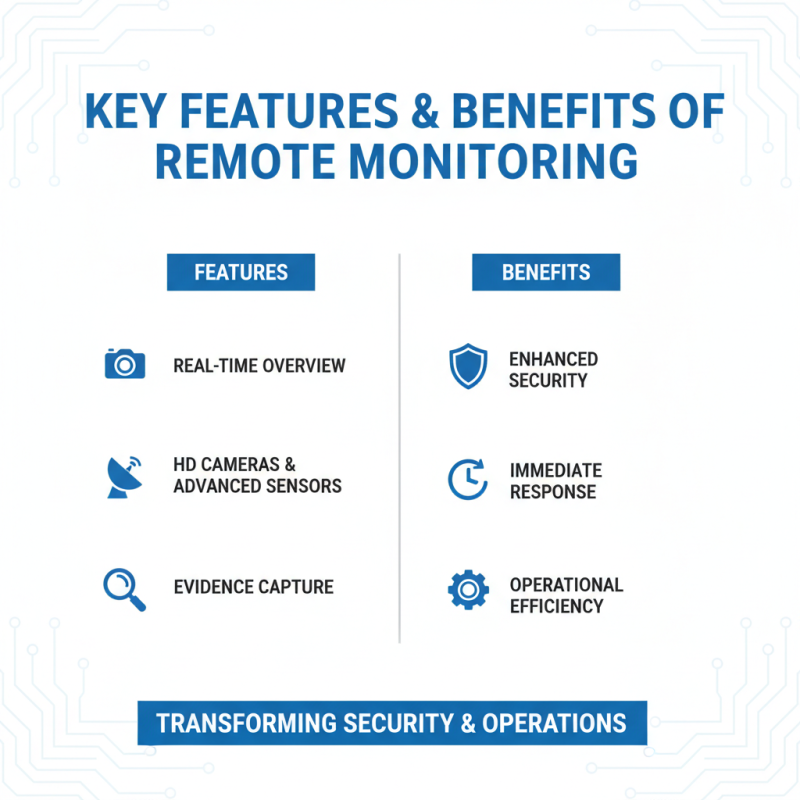
Remote monitoring devices are transforming security and operational efficiency across various sectors. These devices allow users to oversee activities in real-time, enabling quick responses to potential threats. Many systems utilize high-definition cameras and advanced motion sensors. This setup not only enhances visibility but also provides crucial evidence for security incidents.
One key feature is the integration of artificial intelligence. AI can distinguish between regular activity and potential threats. This reduces false alarms considerably. Moreover, remote access via mobile apps is essential. Users can view feeds and receive alerts anytime, enhancing peace of mind.
While the benefits are clear, there are challenges. Data privacy remains a concern. Not all devices have robust encryption protocols, leaving potential vulnerabilities. Additionally, maintenance requires regular attention to ensure optimal performance. Users must stay informed about software updates and possible security patches. Implementing remote monitoring is effective, but it also demands a commitment to ongoing vigilance and education.
Comparative Analysis of Leading Remote Monitoring Solutions
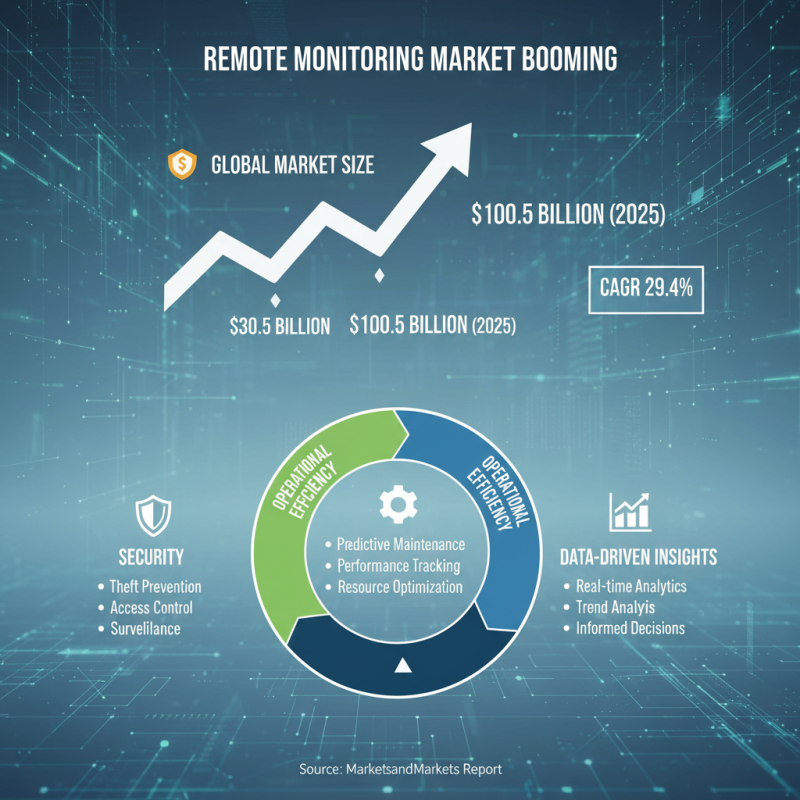
Remote monitoring solutions have transformed how businesses ensure security and operational efficiency. According to a report by MarketsandMarkets, the global remote monitoring market size is projected to reach $100.5 billion by 2025, growing at a CAGR of 29.4%. This growth highlights the increasing reliance on technology for accurate insights and safety.
Leading remote monitoring solutions vary significantly in capabilities and user experience. For instance, some systems focus on video surveillance while others emphasize sensor technology. A study from TechNavio revealed that businesses using advanced monitoring can reduce operational costs by up to 25%. However, the complexity of some tools can lead to user frustrations and implementation challenges. It’s crucial for organizations to balance features with usability.
When comparing these solutions, factors such as integration and scalability emerge. Many tools can offer seamless integration with existing systems, enhancing their overall effectiveness. Yet, data security remains a major concern. Organizations must continuously evaluate how these systems protect sensitive information. Finding the right balance between advanced features and safety protocols is essential for cultivating trust in remote monitoring.
Impact of Remote Monitoring on Security and Operational Efficiency
Remote monitoring has transformed how businesses ensure security and enhance operational efficiency. A recent report indicated that companies utilizing advanced remote monitoring systems could reduce security breaches by up to 30%. This is particularly crucial for organizations facing rising security threats. The ability to monitor premises in real-time allows for swift responses to potential issues, thereby minimizing losses and downtime.
In terms of operational efficiency, remote monitoring tools can also track equipment performance and resource management. Research shows that businesses employing these technologies report a 25% increase in productivity. However, challenges remain. Not all sectors have adopted these tools uniformly. Small businesses, in particular, often lack the resources for implementation. Moreover, data privacy concerns must be addressed. Secure data management is vital for maintaining trust among users and stakeholders.
Some organizations may find it difficult to integrate remote monitoring solutions within existing infrastructures. This can lead to inconsistent data collection and analysis. As companies grow, the need for reliable monitoring will only escalate. Addressing these gaps and ensuring robust implementation strategies may be the key to unlocking the full potential of remote monitoring.
Conclusion
The article "Top Remote Monitoring Devices for Enhanced Security and Efficiency" explores the rapidly evolving landscape of remote monitoring technology and its significant impact on security and operational efficiency. It highlights key features and benefits of remote monitoring devices, such as real-time data access, enhanced surveillance capabilities, and streamlined operations.
A comparative analysis of leading remote monitoring solutions reveals their varied functionalities and applications, offering insights into how these devices cater to diverse needs across industries. The article also discusses the crucial role of remote monitoring in improving security measures and operational processes, while looking ahead at future innovations that promise to further enhance the effectiveness and capabilities of remote monitoring devices.