Skip to content

How to Find the Best Bandage Manufacturer in China?

Finding the right Bandage Manufacturer in China requires more than comparing prices. A dependable supplier should demonstrate consistent product quality, transparent communication, and practical experience with medical dressing production. Buyers should examine factory capabilities, material sources, production controls, and export experience before making a decision.

A useful evaluation begins with product samples. Check the adhesive strength, fabric softness, absorbent pad, edge finishing, and package sealing. Test samples under normal storage and handling conditions. Ask for batch records, inspection reports, and relevant quality certifications, such as ISO 13485, where applicable. A professional factory should explain its testing process clearly, not hide behind attractive brochures. Factory videos help, but an independent audit provides stronger evidence. No checklist is perfect.

Reliable manufacturers also understand customization. They can discuss sizes, colors, packaging artwork, private labeling, carton strength, and minimum order quantities without making unrealistic promises. Confirm whether their materials are traceable and whether production dates can be recorded accurately. Request a written quotation with delivery terms and quality requirements. Small details matter. A late label approval can delay an entire shipment.

Experience has taught many buyers that the cheapest offer may create higher costs later. Weak packaging, inconsistent adhesive, or unclear documentation can damage customer trust. It is also wise to communicate with the quality manager, not only a sales representative. Ask difficult questions and observe the answers. A trustworthy Bandage Manufacturer welcomes reasonable verification and admits limitations when they exist. The best partnership grows through samples, documented inspections, and steady improvement rather than quick promises.
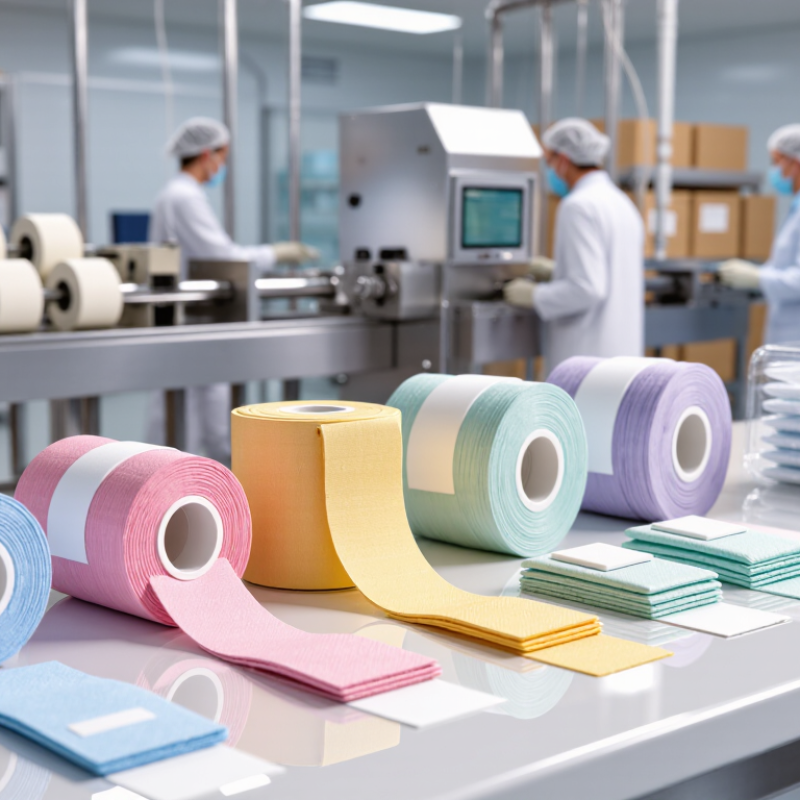
How to Find the Best Bandage Manufacturer in China?

Define Your Bandage Product Requirements and Quality Standards

A reliable bandage sourcing project begins with a precise product brief.
Define the wound type, dressing size, adhesive area, material, packaging, and intended use. Specify whether the bandage must resist water, allow skin breathing, or suit sensitive skin. Include measurements, tolerances, color requirements, and acceptable odor levels. Small details matter. A two-millimeter size difference can affect comfort and coverage.

Set measurable quality standards before contacting a Chinese manufacturer. Request samples with the exact adhesive, backing, absorbent pad, and release paper. Test adhesion on clean, dry skin models under controlled conditions. Check peeling strength, moisture resistance, pad absorption, package sealing, and shelf-life data. Ask for batch records, inspection reports, material declarations, and applicable quality certifications. A manufacturer should explain its testing methods clearly, not simply promise “high quality.”

Your specification should also define sampling plans, defect classifications, and approval procedures. For example, separate critical defects from cosmetic issues, then record acceptable limits for each category. Review production controls through an audit or verified third-party inspection. In practice, the first specification is rarely perfect. Teams often forget carton compression or label durability. I have seen minor packaging gaps create major warehouse problems. Leave room for pilot production, feedback, and documented corrections before placing a large order.

Research China’s Bandage Manufacturing Regions and Supplier Types

Finding the best bandage manufacturer in China starts with understanding regional strengths. Jiangsu often has strong medical-textile capacity and established quality systems. Zhejiang is known for flexible packaging and private-label production. Guangdong may suit buyers needing export experience, fast communication, and convenient shipping. These patterns are useful, but they are not absolute. A capable factory can exist outside the main clusters.

Supplier type matters as much as location. Direct manufacturers usually offer better production control and clearer traceability. Trading companies may provide more product choices, but their factory information requires careful checking. Integrated suppliers can manage materials, printing, packaging, and delivery under one contract. Ask for current certifications, material specifications, batch records, and recent test reports. Request samples from the same production line, not only showroom samples. Check absorbency, adhesive performance, package sealing, and skin-contact materials.

Tips: Compare at least three suppliers from different regions. Visit the facility, or arrange a live video audit. Confirm monthly capacity, minimum order quantity, lead time, and inspection procedures. A low quote can look impressive. It may also hide thinner fabric or weaker adhesive. My own mistake would be trusting polished documents without checking production details. Ask direct questions, record every answer, and review whether the supplier can meet your target market’s requirements consistently.

Verify Manufacturer Qualifications, Certifications, and Production Capacity

How to Find the Best Bandage Manufacturer in China?

Verify Manufacturer Qualifications, Certifications, and Production Capacity

A reliable bandage manufacturer should provide a complete business license and facility profile. Check whether the registered business scope covers medical dressings or related products. Factory experience matters, but it can be difficult to judge from a polished website. Request production records, quality procedures, and recent audit reports. Ask who controls incoming materials, adhesive testing, packaging, and final inspection.

Certifications require careful verification. Request copies of ISO 13485, quality management certificates, and market-specific approvals when applicable. Confirm the certificate holder, factory address, product scope, and expiry date. Contact the issuing organization through its official channel. A certificate may cover only one facility or product category. Never assume it covers every bandage.

Production capacity should be measured with evidence, not promises. Ask about active production lines, monthly output, shift arrangements, and normal lead times. Compare these figures with your expected order volume. Request a sample batch and inspect its fabric texture, adhesive consistency, package sealing, and printed information. Batch numbers should connect with material and inspection records. During a factory visit, watch how workers handle open materials and rejected units. Small details reveal discipline.

I would also ask for a backup plan. Raw material delays happen. Capacity estimates can be optimistic, even when documents look complete. Allow time for verification, because rushing this step creates expensive quality problems later.

Compare Samples, Pricing, Minimum Orders, and Customization Options

How to Find the Best Bandage Manufacturer in China?

A reliable supplier should send physical samples before discussing large orders. Check adhesive strength, fabric softness, edge finish, absorbent pad placement, and package sealing. Wear samples for several hours. Skin comfort matters more than appearance. Record every difference.

Ask for a clear price breakdown. Separate product cost, packaging, printing, tooling, inspection, and shipping. Compare quotes using identical specifications. A cheaper unit price may hide higher setup fees. Request pricing at several quantities, such as 5,000, 20,000, and 100,000 pieces. Confirm whether prices include export cartons and standard documentation.

Minimum order quantities can vary by size, material, color, and packaging method. Ask whether mixed sizes are allowed within one order. This can reduce inventory pressure. For customization, confirm artwork format, adhesive options, backing materials, pad dimensions, and individual wrapping. Request a pre-production sample for approval. Do not rely only on digital images.

Check the manufacturer’s production records, quality procedures, and batch traceability. Ask for recent test reports covering materials, adhesion, and packaging safety. A professional factory should explain its inspection points clearly. Communication speed is useful, but technical answers matter more. I would not choose the lowest quote automatically. My own comparison process can still miss hidden rework costs, so every assumption should be written into the purchase agreement.

Evaluate Communication, Quality Control, Shipping, and After-Sales Support

How to Find the Best Bandage Manufacturer in China?

The lowest quotation is rarely the safest choice. In supplier audits, I examine communication before reviewing prices. Ask for a named contact, response-time target, bilingual technical documents, and a clear escalation route. Request a video call with quality and production staff, not only sales representatives. Silence is a cost. Compare answers across departments, because inconsistent details often reveal weak internal control.

Quality begins with raw-material approval and continues through batch release. Review the manufacturer’s ISO 13485 certificate scope, incoming inspection records, production controls, and sterility evidence where applicable. The WHO Global Surveillance and Monitoring System reports that about one in ten medical products in low- and middle-income countries may be substandard or falsified (WHO, 2017). This figure does not specifically measure bandages, but it supports careful verification. Order pre-shipment samples and use independent testing when risk justifies it. A clean sample can still hide poor lot control. I would not treat a certificate as proof; paperwork can lag behind reality.

Shipping deserves measurable planning. China ranked 19th in the World Bank’s Logistics Performance Index 2023, with a score of 3.7 out of 5. Ask about the transport route, packaging tests, moisture protection, tracking, customs documents, and contingency plans. After-sales support should include complaint response times, CAPA records, replacement rules, and retained samples. Set these terms before payment. “We will solve it” is not a process. Even a detailed checklist has blind spots, so review supplier performance after every shipment.